Athletic footwear is designed to provide optimal performance and protection for athletes. However, with the vast array of sport-specific shoes on the market, it can be challenging to determine which type of shoe is best suited for a particular playing surface.
Turf shoes are typically designed for artificial surfaces such as turf or synthetic grass, whereas dirt shoes are created to perform on natural terrain. But what happens when these two types of shoes are interchanged? Can you wear turf shoes on dirt?
This question is not uncommon among athletes who play sports that require quick movements and changes in direction. The answer is not straightforward, as it depends on various factors, such as the type of dirt surface, the condition of the field, and the specific design of the turf shoe.
In this article, we will explore whether or not wearing turf shoes on dirt is a viable option for athletes and delve into some essential considerations that must be taken into account when making a decision about athletic footwear choices.
Understanding Turf Shoes
The practicality and functionality of turf shoes have been a subject of debate in the world of sports.
One theory suggests that these shoes are designed for use on artificial playing surfaces, while others argue that their ergonomic design and sole material make them suitable for use on natural surfaces as well.
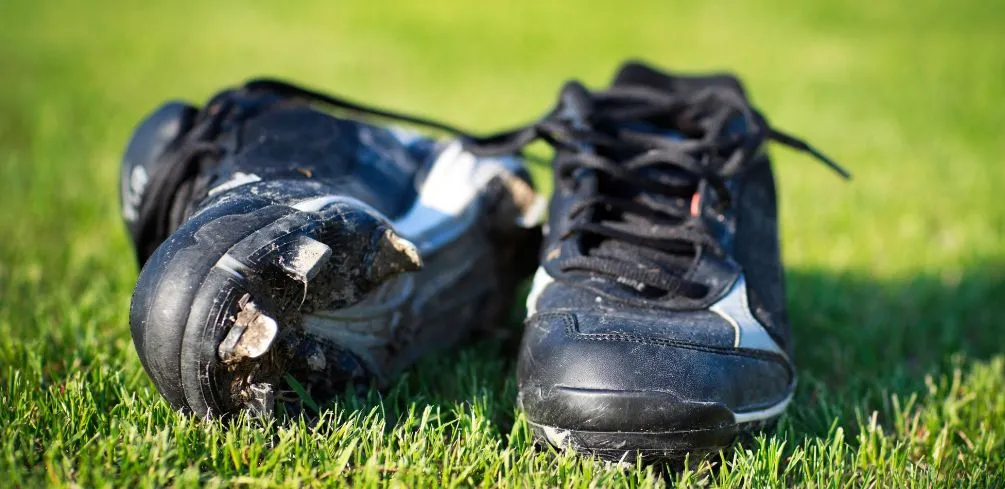
Turf shoes are characterized by their short cleats or nubs that provide traction and stability on artificial turf.
The sole material is usually made of rubber or other synthetic materials that are durable enough to withstand the abrasive nature of turf surfaces.
However, some experts claim that the same features that make these shoes ideal for turf fields also make them suitable for dirt surfaces.
The ergonomic design and shape of the cleats can provide sufficient grip and support even on soft, muddy terrain.
Ultimately, whether or not to wear turf shoes on dirt is a matter of personal preference and depends on factors such as playing style, field conditions, and individual comfort level.
Advantages Of Wearing Turf Shoes On Dirt
Wearing turf shoes on dirt surfaces can offer several advantages for players. Firstly, they provide better traction than regular athletic shoes due to their specialized grip pattern designed for artificial grasses. This increased traction can help reduce slips and falls during play and improve overall performance.
Additionally, wearing turf shoes with proper fit and support can help prevent common foot injuries such as ankle sprains or plantar fasciitis when playing on uneven ground or rough terrain.
Another advantage of wearing turf shoes on dirt is their durability compared to traditional athletic shoes. The materials used in making these shoes are designed to withstand tough conditions, including rough terrain and harsh weather conditions.
This means that players who frequently play on dirt surfaces can expect their turf shoes to last longer than regular athletic footwear, making them a worthwhile investment for serious athletes looking for longevity in their gear without sacrificing performance or comfort.
Disadvantages Of Wearing Turf Shoes On Dirt
As the saying goes, ‘You can’t fit a square peg in a round hole.’ Similarly, wearing turf shoes on dirt is like trying to fit a square peg into a round hole. Although turf shoes are designed for artificial surfaces, some athletes may attempt to wear them on natural surfaces such as dirt and grass.
However, doing so comes with several disadvantages that can affect an athlete’s performance. Firstly, long-term durability is compromised when turf shoes are used on dirt. The cleats on turf shoes are designed to be shorter and denser than traditional cleats, which are made for natural surfaces.
When worn on dirt, the shorter and denser cleats do not have enough traction to grip the surface properly, leading to premature wear and tear of the shoes.
Secondly, wearing turf shoes on dirt can cause surface damage to the playing field. Since dirt is softer than artificial turf, the longer and sharper studs found on traditional cleats are more likely to penetrate deeper into the soil without causing any harm. On the other hand, the shorter and denser spikes found in turf shoes may cause damage to the surface by creating holes or divots in the ground.
To ensure optimal performance and avoid potential damage to both your equipment and playing field, it is best not to use turf shoes on natural surfaces such as dirt or grass. By sticking with traditional cleats designed for natural surfaces, you’ll have better traction while maintaining the long-term durability of your equipment without compromising the integrity of playing fields.
Factors To Consider Before Wearing Turf Shoes On Dirt
Before deciding to wear turf shoes on dirt, there are a few factors to consider.
One of the most important factors is the durability of the shoes. Turf shoes are specifically designed for use on synthetic surfaces and may not hold up well on natural grass or dirt.
The cleat types used in turf shoes are typically shorter and less aggressive than those used in traditional soccer or baseball cleats. This can result in reduced traction and stability when playing on dirt.
Another factor to consider is the type of dirt surface you will be playing on. If the field is hard-packed with little loose dirt, wearing turf shoes may be a viable option. However, if the field is soft with loose soil, wearing turf shoes may not provide enough grip and could result in slips and falls.
Ultimately, it comes down to personal preference and the specific conditions of the playing field. It’s important to weigh all the factors before making a decision about whether or not to wear turf shoes on dirt.
Alternatives To Wearing Turf Shoes On Dirt
After considering the different factors that affect wearing turf shoes on dirt, it is clear that this type of shoe may not be the best option for such a surface.
However, it is important to mention that there are alternatives to wearing turf shoes on dirt.
One of the most obvious choices would be to wear cleats instead.
Cleats are specifically designed for playing on dirt or grass and provide better traction and stability than turf shoes.
When selecting cleats, it is essential to consider the type of sport you will play, as well as the specific conditions of the field.
For example, if you play soccer on a muddy field, longer studs may be more appropriate than shorter ones.
Additionally, proper shoe maintenance can extend their lifespan and improve their performance.
Cleaning and drying your cleats after each use can prevent them from collecting dirt or debris that could damage them over time.
In summary, while turf shoes may not be suitable for playing on dirt, there are several alternatives available in terms of cleat selection and maintenance to ensure optimal performance on any surface.
Frequently Asked Questions
What Are The Differences Between Turf Shoes And Regular Athletic Shoes?
When it comes to athletic footwear, there are various options available in the market.
Two popular categories include cleats and sneakers, which serve different purposes.
Turf shoes fall under the category of sneakers and are designed for use on artificial turf surfaces.
In contrast, regular athletic shoes, also commonly known as sneakers or sports shoes, have a more versatile design that can be used on various surfaces such as concrete, grass or dirt.
The primary difference between turf shoes and regular athletic shoes is traction level.
Turf shoes have a rubber sole with small rubber studs that provide adequate grip on artificial turf surfaces while not damaging the surface itself.
On the other hand, regular athletic shoes come with flat soles that offer less traction compared to turf shoes but are suitable for multiple surfaces such as dirt and grass.
In conclusion, choosing between turf shoes and regular athletic shoes depends entirely on the surface you intend to use them on.
Can Wearing Turf Shoes On Dirt Cause Any Injuries?
When considering wearing turf shoes on dirt, there are certain durability concerns and safety considerations to keep in mind.
While turf shoes are designed for artificial surfaces and provide excellent traction, they may not offer the same level of stability and support on natural surfaces.
Wearing turf shoes on dirt can increase the risk of slipping, tripping, or twisting an ankle due to the lack of proper grip and traction.
Additionally, the studs on turf shoes may wear down quickly on rougher surfaces like dirt, reducing their overall lifespan.
Therefore, it is recommended to wear cleats specifically designed for the type of surface you will be playing on to ensure both performance and safety.
Are There Any Specific Sports Or Activities Where Turf Shoes Are Recommended For Use On Dirt?
It may come as a surprise to many that there are indeed specific sports or activities where turf shoes are recommended for use on dirt.
Contrary to popular belief, the cleat design and sole material of turf shoes have been designed to provide superior traction on artificial turf surfaces.
However, they can also be used on certain types of dirt surfaces, such as clay courts in tennis or baseball fields with compacted dirt.
In fact, some athletes prefer the comfort and versatility of turf shoes over traditional cleats when playing on these types of surfaces.
The key factor is to ensure that the shoe’s sole is appropriate for the type of dirt surface being played on to prevent slipping or injuries.
How Do I Properly Care For And Maintain My Turf Shoes If I Plan To Wear Them On Dirt?
When it comes to maintaining and caring for turf shoes that are intended to be worn on dirt, there are a few cleaning tips to keep in mind.
First, it’s important to remove any excess dirt or debris from the shoes after each use. This can be done with a soft-bristled brush or simply by wiping them down with a damp cloth.
To ensure the longevity of your turf shoes, it’s also recommended that you avoid wearing them on hard surfaces like concrete or asphalt, as this can cause durability issues over time.
By taking these simple steps, you can extend the life of your turf shoes and keep them looking their best for years to come.
Are There Any Specific Brands Or Types Of Turf Shoes That Are Better Suited For Use On Dirt Surfaces?
When it comes to selecting the right type of turf shoes for use on dirt surfaces, proper fit and safety concerns are two critical factors to consider.
While there are various brands and types of turf shoes available in the market, some may be better suited for dirt surfaces than others.
To ensure optimal performance and comfort, it’s essential to choose a pair of turf shoes that offer a secure fit and provide ample support during gameplay.
Furthermore, safety is paramount, so selecting a shoe with appropriate grip and traction is crucial to minimize the risk of slipping or sliding on the dirt surface.
Ultimately, by choosing the right type of turf shoe for use on dirt surfaces, players can enjoy maximum comfort, performance, and safety during gameplay.
Conclusion
In conclusion, wearing turf shoes on dirt can be a risky decision. Turf shoes are specifically designed for use on artificial surfaces and lack the necessary traction and support for use on natural dirt surfaces. This can lead to slip and fall injuries, ankle twists, and other potential hazards.
While there may be some sports or activities where turf shoes are recommended for use on dirt, such as baseball or softball, it is crucial to ensure that the shoes have the appropriate features for such use.
It is also essential to properly care for and maintain the shoes to extend their lifespan and ensure optimum performance.
In terms of brand and type selection, it is advisable to choose shoes that have specific features tailored towards dirt surface usage. These could include deeper treads for better grip, cushioned soles for shock absorption, and reinforced toe boxes for added protection.
Overall, while it may seem like a simple decision to wear turf shoes on dirt surfaces, it is important to consider safety first. By selecting appropriate footwear with suitable features and taking proper care of them, athletes can reduce their risk of injury and perform at their best on any surface.