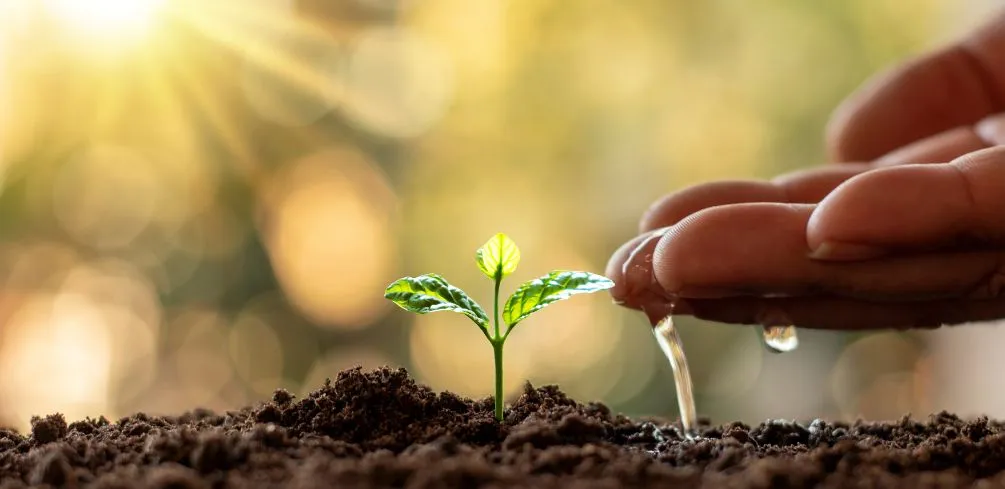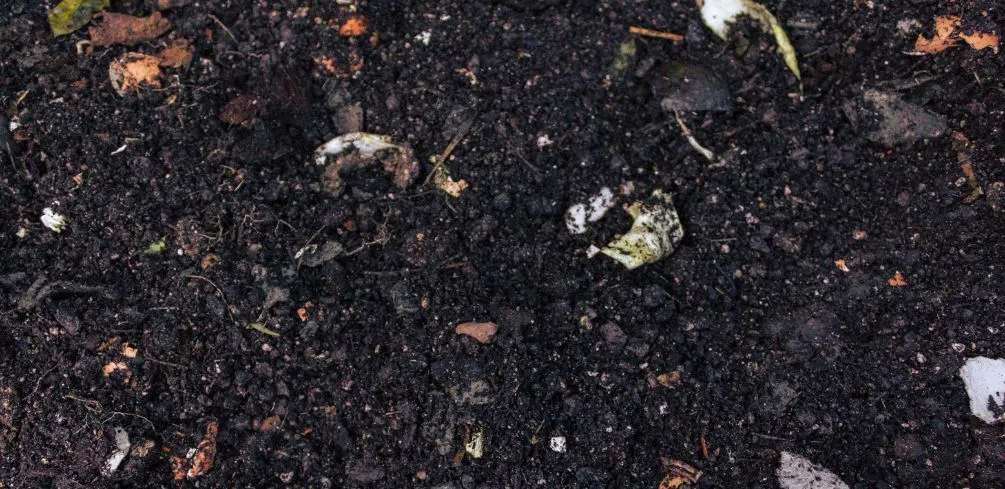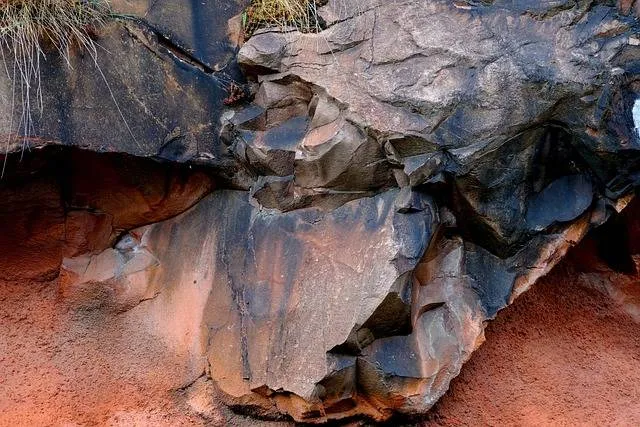
Soil is an essential component of life on earth and the foundation for countless ecosystems. It forms the basis of all terrestrial habitats, providing a medium for plant growth and sheltering many species of animals. The formation of soil is a complex process that involves both natural and human-induced forces. This article will explore how soil is formed and why it is so important to our planet’s ecology.
Soil formation occurs through the combination of physical, chemical, and living processes that are continually reshaping the earth’s surface. A variety of elements are necessary for soil to form, including air, water, heat, minerals, organic matter, and microorganisms.
Through these components interacting with each other over long periods of time, different types of soils have been created that play an integral role in sustaining life on earth.
The importance of soil for sustaining life cannot be understated. It not only provides nutrients for plant growth but also acts as a filter for pollutants, stores carbon dioxide from the atmosphere to help regulate climate change, and serves as a buffer against flooding by absorbing rainfall runoff.
Additionally, healthy soils provide habitats for many species of animals and insects that would otherwise not survive on land without them. Without soil serving its many functions across all levels of life on earth—from microscopic organisms to humans—our planet would be vastly different than it is today.
Definition Of Soil
Soil is a complex mixture of organic matter, minerals, gases, liquids, and organisms that together support life on Earth. It is comprised of several components with varying proportions and characteristics. A soil’s composition depends on the type of material from which it was formed and the climate in which it exists. Soil can be divided into four main components: mineral particles, organic matter, air, and water.
The structure of the soil is primarily determined by its mineral content. Rocks and other minerals are broken down over time by weathering agents such as wind and water to form mineral particles in the soil. These particles form distinct layers or horizons within the soil profile.
The uppermost layer is known as the surface horizon, while deeper layers are called subsurface horizons. Depending on their size and shape, these particles can give soil different textures, such as sand, loam, or clay.
Organic matter also plays an important role in soil formation. Organic materials like leaves, twigs, animal waste, or plant roots add nutrients to the soil, which provide essential food sources for plant growth. Additionally, organic matter helps to improve water and nutrient retention in soils and provides a habitat for beneficial organisms such as earthworms or bacteria.
Together these components create a unique environment that supports a variety of living things, from plants to animals; they all rely on soil for survival. Understanding how these components interact is vital to understanding how soils are formed and why they are essential for life on earth.
Process Of Soil Formation
Soil formation is a complex process that takes hundreds and sometimes thousands of years to complete, but it’s essential for life on Earth. To illustrate, imagine soil as the foundation of a house: Without a solid foundation, buildings can collapse. In much the same way, without healthy soil, ecosystems cannot thrive.
Soil formation begins with the weathering of rocks, which breaks them down into smaller pieces over time. These pieces are then mixed with decomposing organic material to form soil composition.
The process of soil formation includes several key steps:
- Weathering of rock: This is the initial step in the process of forming soil, where rocks are broken down by physical or chemical processes due to weather, such as wind, water, freezing, and thawing temperatures.
- Decomposition of organic matter: This step involves the breaking down of dead plants and animals into smaller pieces by bacteria, fungi, and other microscopic organisms in order to create organic matter that will be added to the soil’s composition.
- Mineralization: This occurs when minerals from decaying rocks mix with decomposing organic matter to form nutrient-rich soils. These nutrients are essential for plants and other living organisms that rely on soils for survival.
Humans also play a role in this process through activities such as tilling or plowing fields which helps to break up compacted soils and make them more hospitable for new growth.
Even though it takes hundreds or even thousands of years for these processes to occur naturally, humans can speed up the process by introducing new materials into the environment that help add nutrient-rich components to existing soils more quickly than natural weathering processes alone. Ultimately, understanding how soil is formed is critical for maintaining healthy ecosystems and sustaining life on Earth.
Types Of Soil
Soil is essential for life on this planet. Its formation is determined by a variety of factors, including climate, vegetation, and the underlying geology. There are five main types of soil: loamy soil, sandy soil, clay soil, peat soil, and humus soil.
Loamy soils are created when organic matter mixes with sand and clay particles to create a rich texture that holds moisture well and is easy to work with. This type of soil contains small amounts of both silt and clay as well as organic matter such as humus or decaying plant material.
It can be either acidic or alkaline in nature. Loamy soils are ideal for gardening because they provide good drainage and are highly productive when it comes to growing crops.
Sandy soils contain large amounts of sand particles, which makes them coarse in texture. They tend to be low in organic matter but high in nutrients due to their ability to allow water to percolate through quickly without becoming saturated. Sandy soils are often found near beaches and deserts where there is little vegetation cover, but they can also be found inland in regions with dry climates.
Clay soils contain very fine-grained particles that form a dense texture when wet and become very hard when dry. Clay soils have poor drainage capabilities due to the small size of the particles, which makes it difficult for water to penetrate easily through them. Clay soils can also be rich in nutrients if they receive enough rainfall or irrigation water to dissolve them into the soil solution.
Peat soils contain partially decomposed organic matter, such as dead plants or animals mixed with sand and silt particles which gives them a spongy texture when wet and a hard crust when dry. Peat soils are usually acidic in nature due to their high level of decomposition, which makes them ideal for growing acid-loving plants such as azaleas or rhododendrons.
Humus soils contain large amounts of organic material from decomposed plant material mixed with other materials such as rock fragments, sand particles, and clay particles, creating an extremely fertile environment for plant growth due to its richness in nutrients and minerals.
Humus soil is also known for its ability to retain moisture better than other types of soil, making it ideal for farming operations that require frequent irrigation cycles throughout the growing season.
Soils play an important role in providing sustenance for humans and other living organisms on Earth through the production of food crops, fodder crops, medicinal plants, timber products, etc., making them essential resources that need to be managed responsibly for long-term sustainability purposes.
Benefits Of Healthy Soil
Soil is an essential component of the environment, responsible for providing numerous benefits to both people and nature. Healthy soil is capable of delivering a variety of advantages, from improved environmental health to increased crop productivity. In order to understand the significance of healthy soil, it is important to consider the following benefits.
Firstly, nutrient content in healthy soil is vital for the growth of vegetation, with adequate nutrients allowing plants to thrive and sustain life. Nutrient content also helps maintain soil fertility, enabling farmers to produce food and crops at their maximum potential.
Furthermore, healthy soil can improve water retention by trapping moisture in the ground and reducing runoff. This aids in controlling erosion while also providing an optimal amount of hydration necessary for plant growth.
Additionally, healthy soil has a great impact on environmental health as it captures carbon dioxide from the atmosphere and stores it below ground. This process reduces emissions that contribute to climate change while also improving air quality. Healthy soil can also provide filter systems that capture pollutants before they enter rivers or lakes, preventing contamination and preserving water sources for future generations.
Healthy soil is thus essential for sustaining life on earth as it supports crop productivity and environmental health through its various properties, such as nutrient content, water retention, and filtration capabilities. It is an integral part of a balanced ecosystem that provides people with clean air and water essential for survival.
Human Impact On Soil Quality
As beneficial as healthy soil is, it can be easily degraded by human activity. Human impact on soil quality and fertility can take many forms, such as soil erosion and contamination. Soil erosion occurs when the upper layers of soil are removed due to wind or water flow, which can significantly reduce the amount of organic matter in the soil. This can lead to a decrease in nutrients available to plants and organisms, affecting the overall health of an ecosystem.
Soil contamination is another form of human impact that can occur when hazardous materials, such as chemicals or metals, are introduced into the soil through improper disposal or industrial activities. Contamination of soil with these materials can cause harm to both local wildlife and humans who interact with it directly, as well as indirectly, through their food sources. Additionally, the overuse of fertilizers and pesticides has been linked to a decrease in soil quality over time.
The degradation of soil caused by human activity can have long-term impacts on the health of ecosystems and their inhabitants. Therefore, it is important for individuals to practice sustainable farming techniques that respect the environment and prevent further harm to delicate ecosystems. Taking these actions allows people to ensure that this vital resource remains intact for future generations to enjoy.
Frequently Asked Questions
How Does The Climate Affect Soil Formation?
Climate plays a key role in the formation of soil. Depending on the region, different climatic conditions will affect the type of soil formed and its properties. For example, soils in areas with higher levels of rainfall may have a higher level of organic matter than those located in arid regions. Temperature also influences soil formation, as warm climates tend to favor faster mineral weathering and increased microbial activity, while cold temperatures result in slower decomposition rates.
In addition to climate, other factors, such as vegetation cover and topography, can also influence soil formation. Vegetation cover helps protect the soil from erosion by wind and water, while topography can determine how much water is retained in an area due to its slope. All these factors interact together to create complex patterns of soil types across any given region.
The combination of these various elements can lead to different rates of development for soils within a given region. This means that over time, certain soils may become more suitable for growing certain crops or supporting certain ecosystems than others. It is, therefore, important for humans to understand how climate affects soil formation so that they can properly manage their land and make sure it remains productive over time.
What Is The Difference Between Topsoil And Subsoil?
Like a jigsaw puzzle, the differences between topsoil and subsoil are essential pieces of the soil formation process. Topsoil and subsoil differ in composition, structure, and formation, which ultimately affect the role they play in keeping our planet healthy.
Topsoil is the uppermost layer of soil and generally consists of decomposed organic matter such as leaves, twigs, and roots. It is rich in nutrients and high in biological activity due to its high levels of bacteria and fungi. Subsoil lies beneath the topsoil and is composed mostly of sand, silt, clay, rocks, minerals, and other non-organic components. It is usually less nutrient-rich than topsoil due to its lower level of organic content.
The differences between these two layers go beyond their composition; their structure also varies significantly from one another. Topsoil tends to be more crumbly with larger particles, while subsoil has smaller particles that hold together better because it’s more compacted due to increased pressure from overlying materials. This means that water infiltration rates are higher in topsoil than they are in the subsoil, making it easier for plants to absorb nutrients from it.
These two layers work together to form healthy soils capable of supporting life on Earth. Topsoil provides essential nutrients for plant growth, while subsoils provide stability as well as a medium for water drainage. Understanding how these two layers interact is key to ensuring our planet remains healthy and able to sustain us into the future.
What Can I Do To Improve Soil Quality In My Garden?
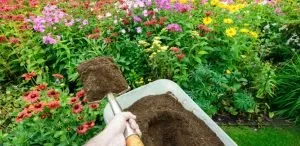
Improving soil quality in one’s garden is essential for a successful harvest. There are a variety of techniques, from gardening soil amendments to organic matter, that can be implemented to provide the best environment for plants.
Here are three tips for improving soil quality in your garden:
- Amend your soil with appropriate materials – Many gardeners choose to amend their soils with materials such as compost or peat moss prior to planting. Adding these amendments helps improve the soil structure and helps retain moisture and air, both key components of healthy plant growth.
- Incorporate organic matter into the soil – Organic matter is beneficial to any type of soil since it helps add nutrients and improves drainage. Examples of organic matter include manure, leaves, grass clippings, and compost. Incorporating these materials into the topsoil helps create a more nutrient-rich environment for plants.
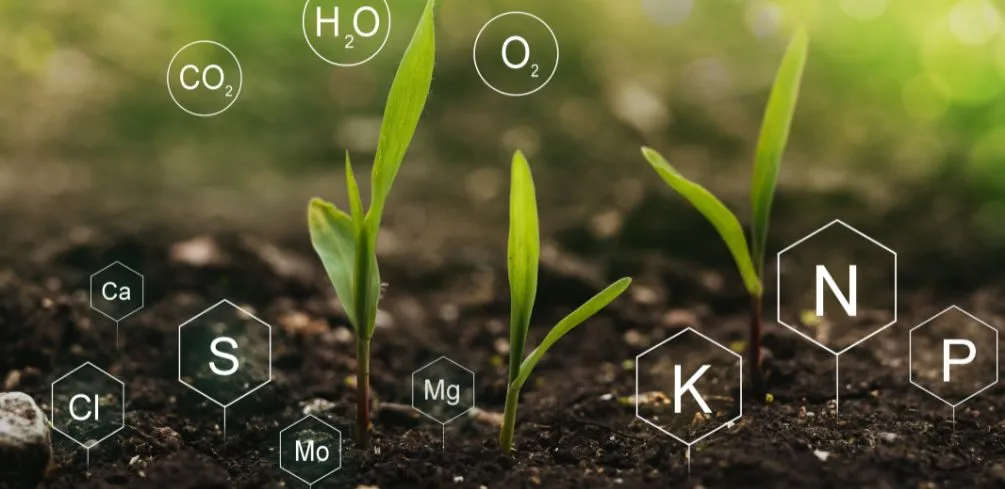
- Test your soil for nutrient levels – Knowing the nutrient content of your soil can help you determine what types of fertilizer or other products may be necessary for optimal growth conditions. You can purchase kits at most home improvement stores or online that test for key nutrients like nitrogen, phosphorus, and potassium.
By implementing these simple steps, you will be on your way to creating an ideal growing environment in your garden that will produce healthier plants and better harvests in the long run!
How Long Does It Take For Soil To Form?
Soil formation is the process of how soil is created over time. It is a natural phenomenon that can take centuries to complete, depending on the factors involved in its formation. Understanding the timeline for soil formation helps us understand its importance and how we can improve its quality in our gardens.
The timeline for soil formation is determined by a variety of factors, including climate, topography, vegetation, organisms, and parent material. The combination of these factors creates unique conditions that affect the speed at which the soil forms. In general, the process begins with weathering of rocks and organic matter into smaller particles that can be combined with other materials, such as sand or clay, to form dirt.
Organisms also play an important role in this process by creating organic material through their activities or decomposing existing matter. These organisms help break down materials into nutrients that are essential for healthy plant growth and development.
This organic matter then combines with other elements to form new soils that are more stable and able to support life. Over time, these soils become thicker and more complex due to underground water flow and microbial activity, which further enriches them with minerals.
Soil formation is a long-term process affected by many factors; however, it can be improved through good gardening practices such as proper fertilization, aeration, composting, mulching, and irrigation. By understanding how long it takes for the soil to form, we can better appreciate its importance in sustaining life on Earth and develop response strategies for improving its quality in our gardens.
How Does Soil Composition Vary From Region To Region?
Soil composition can vary greatly from region to region and is affected by a variety of factors. Climate change, soil fertility, and soil conservation are all factors that can influence the composition of soils in a particular area. Understanding regional variations in soil composition can be useful for farmers, gardeners, and land managers who want to maximize productivity in their respective areas.
The climate is one of the primary drivers of regional variations in soil composition. Areas with higher temperatures may have different levels of moisture content or mineral content than those in cooler regions. For example, soils in warmer climates tend to be drier and less fertile than those in cooler climates.
Additionally, areas with higher rainfall may have more organic matter present due to increased leaching from precipitation. As climate changes, so does soil composition, and these changes can affect agricultural production as well as natural ecosystems.
Soil fertility also plays an important role in determining regional variations in soil composition. Soils that are highly fertile typically contain high levels of essential plant nutrients such as nitrogen, phosphorus, and potassium.
In addition, they often contain beneficial microorganisms that help to break down organic matter and promote healthy root growth. Poorly-fertile soils may lack essential nutrients or may lack the microorganisms necessary for healthy plant growth and development. By understanding which soils are more productive in a given region, farmers and gardeners can better target their inputs for maximum yields.
Finally, soil conservation practices are essential for maintaining healthy soils over time. Practices such as mulching or cover cropping can help reduce wind or water erosion while promoting microbial activity and preserving nutrient content within the soil profile.
These practices also help protect against compaction caused by human activity or machinery use, which can reduce the productivity of an area if left unchecked. By understanding regional variations in soil composition and implementing sustainable management practices, land managers can ensure optimal productivity while preserving the health of their soils in the future.
Conclusion
Soil is an essential part of the biosphere. It is formed through the combination of weathering, erosion, and deposition processes that are influenced by climate and other environmental factors. Topsoil and subsoil differ in composition, with topsoil having a higher proportion of organic matter.
To improve soil quality, it is important to add compost, mulch, and other organic materials. Soil formation can take anywhere from hundreds to thousands of years, depending on the area’s climate and geology. Furthermore, soil composition can vary significantly from region to region due to different parent materials and climates.
In conclusion, the soil is formed over long periods of time through the interplay between climate, geography, and the environment. It is composed of organic matter as well as minerals that contribute greatly to its structure and fertility. Additionally, soil composition varies depending on its location, which can determine what kind of plants or crops can be grown in certain areas.
Ultimately, understanding how soil forms is essential for appreciating its importance in our lives as well as learning how to best maintain healthy soils for future generations.