Gardening is an activity often associated with a sense of belonging and accomplishment. While it can be difficult to determine the optimal nutrient levels in the soil for the optimal growth of plants, understanding the basics of soil nutrition can help improve the health and vibrancy of any garden.
Nitrogen, phosphorus, and potassium, collectively known as Npk, are essential macronutrients necessary for healthy plants. This article will provide an overview of how to measure Npk levels in the soil as well as tips on how to improve soil fertility and maximize garden success.
The process of determining Npk levels in soil requires a bit of patience and effort but is relatively straightforward when broken down into its component steps. The first step involves collecting samples from various areas within the garden beds, mixed thoroughly so that a representative sample is taken.
The soil samples must then be tested for their respective concentrations of nitrogen, phosphorus and potassium. Once these baseline measurements have been obtained, it is easier to identify which nutrients need to be supplemented in order to bring them back into balance.
Finally, once the desired Npk ratios have been determined, there are several methods available to supplement them accordingly. These range from using organic matter such as compost or manure and synthetic fertilizers depending on personal preference or budget constraints.
With these steps followed carefully, gardeners will soon find themselves reaping the rewards of their efforts with lush foliage and abundant harvests!
Understanding Soil Quality
Soil quality is an essential factor for successful gardening. It is important to understand the composition of soil and its fertility in order to improve it and grow healthy plants. Soil testing is the process by which gardeners can assess the nutrient content of their soil and determine any deficiencies or imbalances that may need to be addressed. The main nutrients found in soil are nitrogen (N), phosphorus (P) and potassium (K). These nutrients, known as NPK, are necessary for healthy growth in plants.
Soil testing can be done through a laboratory or with a home test kit. Laboratory tests provide more accurate results than home kits, but they can be costly and time-consuming. Home test kits are less expensive and easier to use, but they may not give as accurate results as laboratory tests.
Testing kits measure the number of minerals present in the soil, such as phosphorus, calcium, magnesium, and sulfur. They also measure pH levels and organic matter content in order to evaluate soil fertility levels.
By understanding soil quality and testing for NPK levels, gardeners can take measures to improve their soil fertility and ensure healthy plant growth in their gardens. With regular testing, gardeners can monitor changes in nutrient levels over time and make adjustments accordingly. This information can then be used to create a customized fertilizer plan for optimal plant health.
Testing For Nutrient Levels
Accurately assessing the nutrient levels of soil is essential for creating and maintaining a healthy garden. Testing for soil nutrients can be done by taking a sample from the soil and having it analyzed in a laboratory or by using an at-home kit to test for pH, nitrogen, phosphorus, and potassium (NPK). While each method has its pros and cons, both are necessary for understanding the fertility of your soil and making sure it is suitable for plants.
When testing for soil nutrients, samples should be taken from different parts of the garden to get an overall picture of the nutrient levels in the area. Soil sampling requires tools such as trowels or shovels to dig up small samples that can then be tested with either an at-home kit or sent off to a lab. If using an at-home kit, the instructions should be followed carefully, and results should be used as a guide when adjusting the pH balance and other factors in order to improve fertility.
However, if sending off your sample to a lab, they will provide more detailed information about your soil’s NPK levels which may require further action, such as adding fertilizer or other amendments in order to boost fertility.
Testing for soil nutrients is essential before planting any type of crop or flowerbed so that you know exactly what kind of nutrients are needed to create a healthy garden environment. For those who want more precision when testing their soil’s fertility levels, having it analyzed in a laboratory is recommended as it provides more detailed information about the NPK content, which can then be used to determine what kind of fertilizers should be added if necessary.
Understanding your soil’s nutrient levels is key to creating an optimal growing environment that allows plants to thrive.
Enhancing Soil Fertility
Soil fertility is an important factor in creating a healthy garden. To enhance soil fertility, the use of soil amendments such as organic matter and composting can be beneficial. Organic matter improves the structure and texture of the soil, allowing for improved nutrient retention and water infiltration.
Adding compost to the soil also provides essential nutrients such as nitrogen, phosphorus, and potassium (NPK). Compost can be made at home with kitchen scraps and yard waste or purchased from a local nursery.
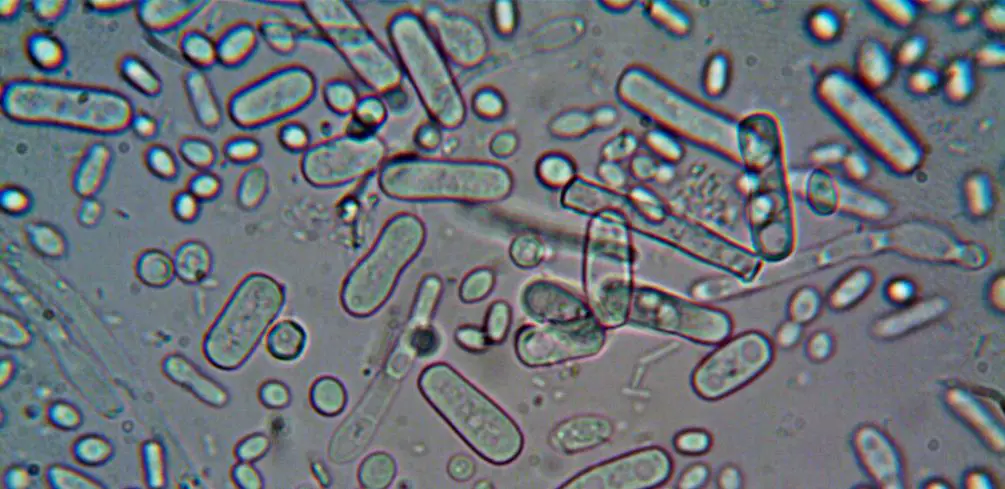
Incorporating organic matter into the garden’s soil helps to improve its structure by increasing the number of beneficial microbes, which help break down organic material into usable nutrients for plants. This increases the number of available nutrients in the soil, helping plants to grow more vigorously.
Additionally, adding organic materials helps increase water infiltration and drainage by creating air pockets in clay soils or improving moisture retention in sandy soils.
The best way to determine NPK levels in the soil is to have it tested at a laboratory. Depending on the results, one may need to add additional fertilizers containing specific NPK levels or apply natural amendments such as manure or compost.
By regularly testing your garden’s soil fertility and making improvements as needed with amendments, one can create an environment that encourages healthy plant growth.
Choosing The Right Fertilizer
In order to ensure optimal soil fertility for your garden, choosing the right fertilizer is essential. Fertilizers come in a variety of types and formulations, each tailored for specific plants or soils. Understanding the nutrient needs of your plants, as well as the composition of your soil, will help you decide which type of fertilizer is best suited for your garden.
When selecting a fertilizer, it is important to consider the ratio of nutrients contained in it. The three most important nutrients are nitrogen (N), phosphorus (P), and potassium (K). These are often represented by their respective chemical symbols on the label of a fertilizer package. A good rule of thumb is to use an equal amount of N-P-K when choosing a fertilizer; however, this may vary depending on the needs of both your plants and soil.
To determine the specific NPK ratio needed for your garden, you can have your soil tested by a professional laboratory or through an at-home kit. Knowing the nutrient content of your soil will help you better select a suitable fertilizer and make sure that you don’t over-fertilize. Additionally, there are other soil amendments such as compost or manure that can be used to supplement fertilizers in order to improve overall soil fertility.
Here are a few tips when choosing fertilizers:
- Consider the composition and NPK ratio needed for optimal growth and health
- Choose a suitable form depending on plant requirements and preferences
- Make sure to read application instructions carefully before using any fertilizers
- Always remember that overfertilizing can damage plants and disrupt natural ecosystems
Selecting the right fertilizer is essential for maintaining healthy soils and growing robust plants in your garden. Taking into account the needs of both plants and soils can help ensure optimum fertility levels and support sustainable gardening practices.
Maintaining Healthy Soil
Maintaining healthy soil is essential for having a successful garden. To do this, you must understand the nutrient content of the soil and how to improve it. There are various ways to determine the NPK (nitrogen, phosphorus, and potassium) of your soil.
A soil test is recommended as it provides accurate results that can help you adjust your soil’s nutrient content. Additionally, there are several techniques you can use to improve your soil’s quality. Incorporating organic matter such as compost or mulch will add important nutrients and help retain moisture in the soil.
You can also try using a variety of products, such as fertilizers or soil conditioners, to improve the condition of your soil. Depending on what type of conditioner you choose, these products may contain a combination of ingredients that may include macronutrients such as nitrogen, phosphorus, and potassium, as well as micronutrients like magnesium and calcium.
All these methods can be used in tandem with one another to ensure your garden is thriving with healthy soil. It is important to remember that when making improvements to your garden’s soil, it is best to apply small amounts regularly rather than large amounts all at once in order for the changes to take place over a longer period of time effectively. Keeping up with regular maintenance of your garden’s soil will ensure its health for many years to come.
Frequently Asked Questions
How Often Should I Fertilize My Garden?
Fertilizing a garden is an essential part of maintaining soil fertility and ensuring that plants get the nutrients they need for growth. When it comes to establishing an optimum fertilizing frequency, there are several factors to consider, including plant nutrient needs, soil amendment timing, and fertilizer application rate. As such, understanding these topics will help ensure that your garden flourishes and remains healthy.
To begin with, it is important to understand the nutrient requirements of the plants you plan to grow in your garden. Different plants have different nutrient needs, so it’s important to research the type of fertilizers your crops need and when they should be applied. For example, some plants require frequent applications of nitrogen-rich fertilizer, while others may only need a few applications per season. Knowing this information will allow you to plan your fertilizing schedule accordingly.
In addition to understanding plant nutrient needs, determining the right timing for soil amendments is also vital for successful gardening. Depending on the condition of your soil and its pH levels, certain amendments may be beneficial at specific times throughout the year.
For example, applying lime can help increase soil pH levels if they are too low, while adding gypsum can help reduce compaction and waterlogging in heavier soils. Understanding when these amendments should be applied can help maximize their effectiveness in improving garden health.
Finally, it is important to consider the fertilizer application rate when establishing a fertilizing schedule. Over-fertilization can lead to excessive leaf growth or even burn the foliage, whereas under-fertilization can result in stunted growth or poor yields from crops. Therefore, understanding what type of fertilizer is recommended for each crop as well as how much should be applied, will ensure that your garden receives the proper amount of nutrients needed for optimal growth without risking over-fertilization damage.
To get started with establishing an optimum fertilizing frequency:
- Research plant nutrient needs
- Determine the timing for soil amendments
- Consider fertilizer application rate
By following these steps, you can ensure that your garden gets all the nutrients it needs and remains healthy all season long!
How Do I Know If My Soil Is Too Acidic Or Alkaline For My Plants?
Soil pH is a measure of acidity or alkalinity in soils. It is an important factor to consider when determining whether your garden will be able to support the plants you wish to grow. Knowing the soil’s pH can help you determine if it is too acidic or alkaline for your plants.
To figure out the pH of your soil, you need to conduct a soil test. A soil test measures both the pH and nutrient levels of the soil, giving you an accurate picture of what type of soil conditions are present in your garden. Testing kits are available at many home improvement stores and online retailers that provide easy-to-follow instructions on how to conduct tests on your soil properly.
Once you have determined the pH level of your soil, there are several ways that you can adjust it so that it is suitable for your desired plants. If the soil is too acidic, adding lime can help raise the pH level and make the soil less acidic. Conversely, applying sulfur can lower the pH level and make it more acidic if necessary. However, it is essential to note that changing the pH level drastically may not be ideal as some plants prefer slightly more neutral levels of acidity or alkalinity in order to thrive optimally.
Adjusting your garden’s soil pH can be a simple process as long as you take into consideration all factors, including testing results and desired plant types, before making any adjustments. With some knowledge about how to identify and adjust soils based on their acidity or alkalinity levels, gardening enthusiasts can ensure their gardens are in optimal condition for their desired plant types.
What Are The Best Ways To Aerate My Soil?
Aerating soil is an important task for gardeners and agricultural producers who want to improve the health of their plants. By aerating the soil, they create a better environment for beneficial microorganisms to thrive while allowing water, air, and nutrients to penetrate deeper into the ground. There are many methods of aerating soil, each with its own set of benefits.
The most common method of aerating soil is mechanical tilling. Tilling breaks up compacted soils and creates channels for oxygen and other liquids or gases to move through the soil. This reduces compaction, improves drainage, and allows more nutrients to reach plant roots.
It also encourages microbial activity in the soil, which aids in nutrient cycling and can increase yields. Another mechanical method is spading, which involves digging deep furrows into the ground to open up channels for air and water penetration.
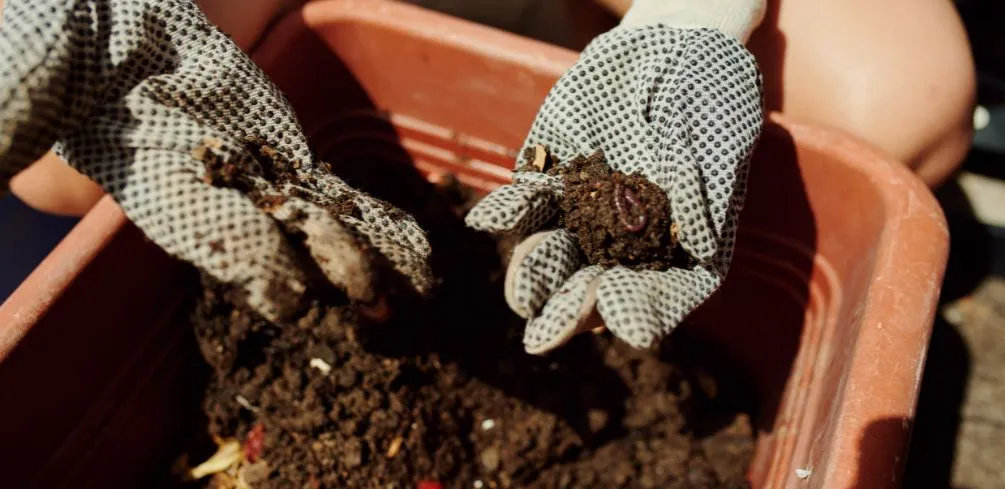
Other methods of aeration include biological aeration, such as composting or introducing earthworms into the soil. Composting adds organic matter, which helps retain moisture and adds nutrients, while earthworms help break down organic material in the soil, improving drainage and increasing oxygen levels. There are also chemical methods like using sulfur or lime, which can alter pH levels in acidic soils so that plants can grow better there.
No matter what method you choose, aerating your soil has both short-term and long-term benefits for your garden or farm. It helps create healthier soils that are more resistant to drought or flooding and increases root growth potential so that plants have access to more nutrients from deeper in the ground. Aerating your soil will help ensure that your garden is healthy now and for years to come!
How Can I Add Organic Matter To My Soil?
Adding organic matter to your soil is an essential step in improving its quality and creating a thriving garden. The advantages of incorporating organic matter into your garden’s soil are numerous, from increasing water retention to providing essential nutrients for plant growth. To get started, you may want to consider compost, organic mulch, manure, worm castings, and leaf mold.
Compost is made up of decomposed plant material that can be used as a soil amendment or fertilizer. It helps the soil retain moisture and can add beneficial microorganisms that help break down organic matter and improve soil structure. Organic mulch is another great way to add organic matter to your soil; it helps reduce the evaporation of water and also prevents weeds from growing.
Manure provides important nutrients and helps aerate the soil, while worm castings provide beneficial microbes as well as valuable minerals that can help increase nutrient availability in the soil. Leaf mold is also an excellent source of organic matter; it adds structure and porosity to the soil, which will help with drainage and root growth.
When adding organic matter to your garden’s soil, it’s important to remember that each type has different benefits so it’s best to use a combination of different types for maximum benefit. For example, compost provides beneficial microbes while manure provides essential nutrients; when you combine both together, you have a powerful mix that can help improve the quality of your garden’s soil significantly.
Furthermore, using natural materials such as leaves or grass clippings will not only provide much-needed nutrition for plants but also create an inviting atmosphere in your garden – one where friends and family can come together to enjoy its beauty!
Is It Best To Use Liquid Or Granular Fertilizer?
Choosing between liquid and granular fertilizers is an important decision that can have a lasting impact on the fertility of your soil and the overall health of your garden. Fertilizer types vary in terms of their application, cost, and effectiveness in improving soil fertility.
To make an informed decision, it is important to consider the following elements:
- Liquid fertilizer is usually applied through a sprayer or watering can and is quickly absorbed by plant roots.
- Granular fertilizer needs to be worked into the top few inches of soil before being watered in, and takes longer to dissolve than liquid fertilizer.
- Nutrient content varies for each type of fertilizer, so it’s important to read the label carefully before applying.
When selecting a fertilizer for your garden, it is essential to take into account how much time you are able to invest in fertilizing, as well as the cost of purchasing different types of fertilizers. For those who are short on time or resources, liquid fertilizers may be a better option because they penetrate quickly into the soil and require less frequent applications than granular fertilizers.
On the other hand, if you are willing to invest more time and money into gardening, granular fertilizers may be a better choice since they often contain more nutrients than liquid varieties.
Making an informed decision between liquid and granular fertilizers will help ensure that your soil remains healthy and that your garden flourishes over time. It is important to consider all aspects of both options, including application method, nutrient content, cost, and availability, when determining which type of fertilizer best meets your needs.
Conclusion
In conclusion, understanding the composition of one’s soil and its pH balance is an essential part of gardening. To maintain a healthy garden, it is necessary to determine the NPK content of the soil and make any necessary improvements. Fertilizing, aeration, and adding organic matter are all excellent methods for improving the quality of the soil. Furthermore, deciding between liquid or granular fertilizers should be based on the type of plants being grown in order to ensure they receive the nutrition they need. With this knowledge, gardeners can confidently cultivate their gardens and watch as they bloom with health.
The process of creating fertile soil is complex but rewarding. By taking the time to assess and nourish their soils, gardeners can enjoy lush foliage and abundant blooms season after season. Furthermore, the act of caring for a garden has been proven to provide a sense of grounding and joy that cannot be matched by any other activity. Through thoughtful tending, gardeners will be rewarded with beautiful flora that will bring years of enjoyment.
Ultimately, nurturing a garden requires patience and dedication but yields incredible results. With proper knowledge about maintaining soil health and incorporating fertilizer into one’s routine, anyone can have access to a flourishing outdoor space that is both aesthetically pleasing and rewarding. With these tips in mind, it is possible for anyone to create an oasis in their own backyard!