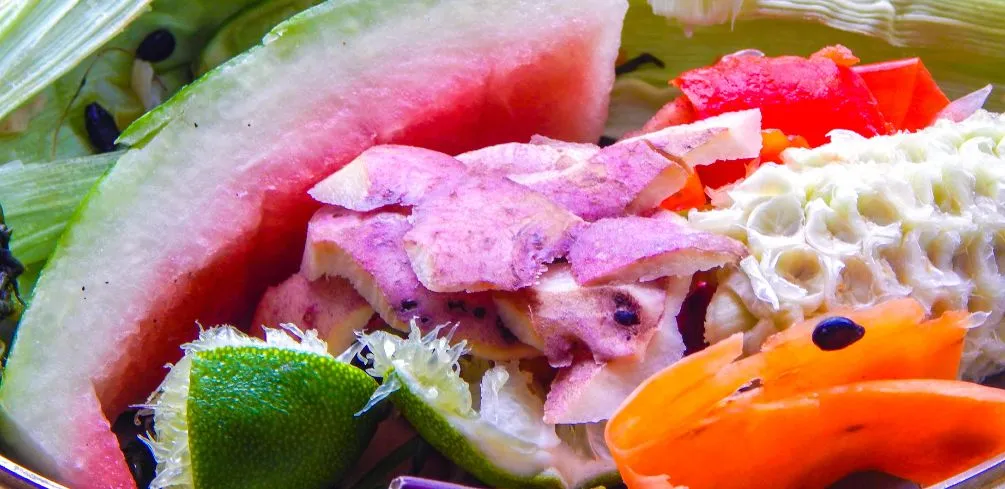
The concept of composting kitchen scraps is not a new one, but with the growing concern about environmental sustainability and waste reduction, it has gained significant attention in recent years.
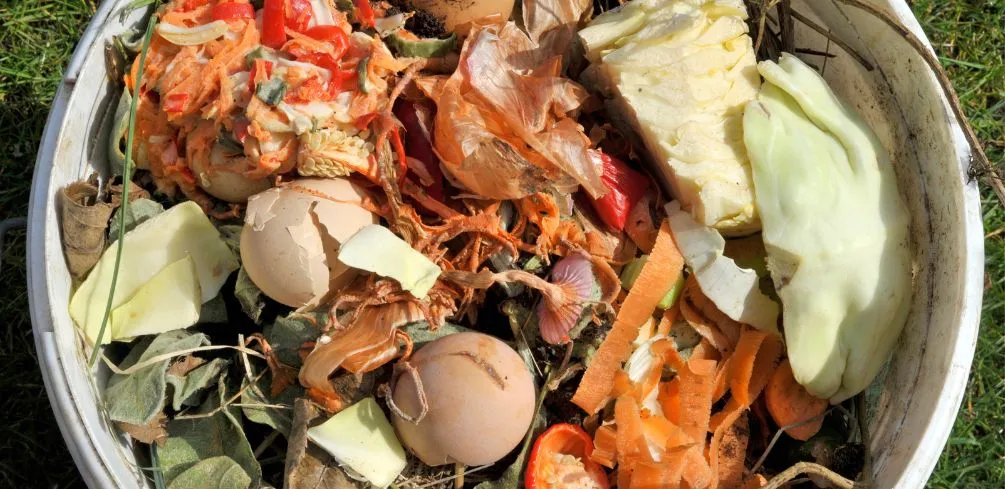
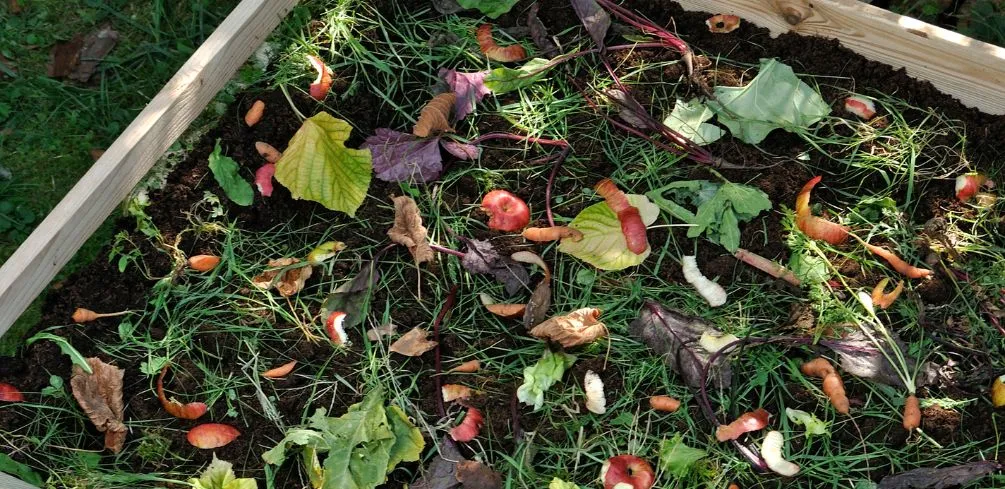
Composting kitchen scraps involves collecting organic waste, such as vegetable peelings, fruit cores, coffee grounds, and eggshells, and transforming them into nutrient-rich soil for use in gardening or farming.
This process not only reduces the amount of waste sent to landfills but also provides an eco-friendly alternative to chemical fertilizers. As individuals become more conscious of their impact on the environment and seek ways to reduce their carbon footprint, composting has emerged as a simple yet effective solution.
By utilizing kitchen scraps for composting purposes instead of throwing them away, individuals can contribute positively to the environment while also improving the quality of their soil.
With proper education and access to resources, this sustainable practice can be easily implemented by households and communities alike, providing a sense of belonging to a wider movement toward environmental sustainability.
Benefits Of Composting Kitchen Scraps
Reducing waste has become an important aspect of modern society, and composting kitchen scraps is one way to achieve this goal. Composting is a natural process that involves breaking down organic materials, such as food scraps, into nutrient-rich soil that can be used to grow plants.
By diverting kitchen scraps from landfills, we can reduce the amount of waste that ends up in these sites and contribute positively to the environment. The environmental impact of composting kitchen scraps is significant.
When organic matter decomposes in landfills, it releases harmful greenhouse gases such as methane into the atmosphere. Methane is a potent contributor to climate change, and reducing its emission is crucial for mitigating its effects.
Composting also helps conserve resources by reducing the need for chemical fertilizers and pesticides that harm wildlife and pollute water sources. Today more than ever, composting kitchen scraps represents a simple yet powerful way for individuals to make a positive impact on their communities and the planet at large.
How To Get Started With Composting
Composting is a great way to reduce the amount of waste you produce and create nutrient-rich soil for your garden.
To get started, you will need a composting container. There are many different types of containers available, including plastic bins, wooden boxes, and wire cages. The most important thing is to choose a container that suits your needs and fits in with your lifestyle.
Once you have your composting container, it’s time to start adding kitchen scraps and other organic materials. However, you may encounter some troubleshooting issues along the way. For example, if your compost smells bad or attracts pests, it could be because you’re adding too much food or not enough dry material like leaves or shredded paper.
By adjusting the balance of greens (food scraps) and browns (dry materials), you can troubleshoot these issues and create healthy compost for your garden.
Types Of Kitchen Scraps Suitable For Composting
Now that we have discussed the basics of composting let’s delve deeper into one of the key components: kitchen scraps. As mentioned earlier, kitchen scraps form an essential part of the composting process and are a great way to reduce food waste. However, not all kitchen scraps are created equal – some are better suited for composting than others.
Firstly, it is important to note that any organic matter can be composted. However, some materials break down faster than others and release more nutrients into the soil.
Kitchen scraps such as fruit and vegetable peels, coffee grounds, tea leaves, eggshells, and nutshells are excellent candidates for composting. These items are rich in nitrogen and other essential nutrients that help to nourish your soil. On the other hand, dairy products, meat, bones, and oily foods should be avoided as they can attract pests and rodents.
In addition to being environmentally friendly by reducing food waste, composting with kitchen scraps also has numerous benefits for your garden. By adding nutrient-rich compost to your soil regularly, you can improve soil health which leads to healthier plants that produce bigger yields.
Composting also helps to retain moisture in the soil, which is especially beneficial during dry seasons. So don’t throw away those fruit peels or eggshells – instead, add them to your compost bin! Your garden will thank you later.
Composting Methods And Techniques
Composting is a process that involves breaking down organic waste into nutrient-rich soil. It is nature’s way of recycling and reusing materials, allowing us to reduce our carbon footprint and help the environment.
Composting challenges often arise due to the lack of proper knowledge, resources, or time. However, innovative solutions have been developed to overcome these challenges and make composting more accessible for individuals and communities.
Worm composting, also known as vermicomposting, is one such solution that has gained popularity in recent years. It involves using worms to break down kitchen scraps and other organic materials into rich compost.
This method is ideal for those who live in small spaces or do not have access to an outdoor area for traditional composting. Additionally, it is a low-maintenance option that requires minimal effort compared to other methods.
By implementing innovative solutions like worm composting, we can overcome the challenges of composting and make it a more sustainable practice for all.
Using Compost For Gardening And Farming
Composting is an excellent way to reduce waste and turn it into something valuable for gardening and farming.
Despite its benefits, composting poses several challenges that gardeners and farmers must overcome. One of the biggest challenges is managing the compost pile’s moisture content. If the pile is too dry, it will decompose slowly, while a wet pile can become anaerobic, producing unpleasant odors.
Another challenge is achieving the right balance of carbon and nitrogen in the compost pile. Carbon-rich materials like leaves and wood chips are essential for creating a healthy compost pile but need nitrogen-rich materials like kitchen scraps or grass clippings to break down effectively.
Other challenges include maintaining proper temperature levels, dealing with pests, and preventing contamination by harmful chemicals. To overcome these challenges, gardeners and farmers must use proper compost application techniques like layering green material on top of brown material or using aeration systems that promote oxygen flow through the pile.
By addressing these challenges, gardeners can create nutrient-rich soil amendments that increase plant growth and improve soil health.
Frequently Asked Questions
How Long Does It Take For Kitchen Scraps To Fully Decompose Into Compost?
Composting is a practice that benefits the environment by reducing waste and improving soil health. There are various composting methods, including aerobic and anaerobic decomposition, vermiculture, and hot composting.
The benefits of composting include the reduction of greenhouse gas emissions from landfills and the production of nutrient-rich soil amendments for gardening and farming. When it comes to kitchen scraps, the time it takes for them to fully decompose into compost depends on several factors, such as temperature, moisture content, oxygen levels, and the size of the scraps.
However, with proper management and care, kitchen scraps can turn into usable compost in a matter of weeks or months. It is important to note that not all kitchen scraps are suitable for composting; meat, dairy products, oils, and fats should be avoided as they can attract pests and slow down the decomposition process.
By properly managing kitchen scraps for composting, individuals can contribute to a sustainable future while also benefiting their own gardens or farms.
Can Meat And Dairy Products Be Added To A Compost Pile?
Composting Guidelines recommend the use of vegetable and fruit scraps for composting as they decompose faster and have a higher nutrient content. However, it is also possible to add meat and dairy products to a compost pile, but this should be done with caution.
Alternative Methods suggest using a separate compost bin for meat and dairy products to prevent attracting pests and producing foul odors. Additionally, these items should be buried deep in the pile and covered with other organic matter to ensure proper decomposition.
It is important to note that adding too much meat and dairy can also disrupt the balance of microorganisms in the compost pile, leading to an imbalance in nutrients. Therefore, while it is possible to add meat and dairy products to a compost pile, it is important to do so sparingly and with appropriate care.
Can You Compost Citrus Fruits And Peels?
Citrus fruits and peels can be successfully composted, adding valuable nutrients to the soil and reducing waste. Composting benefits the environment by reducing greenhouse gas emissions from landfills and promoting healthy plant growth through nutrient-rich soil.
However, citrus composting techniques require a bit of extra attention due to their high acidity levels. It is important to balance the pH levels in the compost pile by mixing citrus scraps with other organic materials, such as leaves or grass clippings.
Additionally, it is recommended to chop or shred the citrus peels into small pieces before adding them to the compost pile, as this will speed up the decomposition process. By incorporating these simple citrus composting techniques, individuals can contribute to a more sustainable future while simultaneously improving the health of their gardens or plants.
How Often Should A Compost Pile Be Turned Or Mixed?
To maximize the Benefits of Composting, Best Practices for Compost Maintenance must be followed.
One important aspect is knowing how often a compost pile should be turned or mixed. Turning or mixing the pile helps distribute air and moisture, which are essential for the decomposition process.
The ideal frequency varies depending on several factors, such as the type of materials used, weather conditions, and the size of the pile. As a general rule, turning every two to four weeks is recommended.
However, if you notice that the pile is not decomposing at an optimal rate or has a foul odor, it may need to be turned more frequently. By following these Best Practices for Compost Maintenance, you can ensure that your kitchen scraps for compost will turn into nutrient-rich soil for your garden.
Can You Use Compost Made From Kitchen Scraps For Indoor Plants?
Composting is a process that involves the decomposition of organic waste into a nutrient-rich soil amendment. Using compost made from kitchen scraps for indoor plants has several benefits, including improving soil structure and fertility, increasing water retention, and promoting healthy plant growth.
However, if you do not have access to kitchen scraps for composting or prefer an alternative method, there are other alternatives, such as using commercially available compost or making your own compost from yard trimmings and leaves.
Ultimately, the decision to use kitchen scrap compost or an alternative depends on personal preference and the availability of resources.
Conclusion
Kitchen scraps are a rich source of organic matter that can be used to create nutrient-rich compost. The time it takes for kitchen scraps to fully decompose into compost depends on several factors, such as the type of material and the environment.
Generally, it can take anywhere from a few months to a year for kitchen scraps to transform into compost.
While most kitchen scraps are suitable for composting, meat and dairy products should be avoided as they can attract pests and produce unpleasant odors. On the other hand, citrus fruits and peels can be added in moderation but should not make up more than 10% of the total compost pile.
To ensure proper decomposition, a compost pile should be turned or mixed every few weeks. This helps to provide oxygen to the microbes responsible for breaking down the organic matter.
Once the kitchen scraps have been transformed into compost, it can be used as a natural fertilizer for plants both indoors and outdoors. This not only reduces waste but also enriches the soil with essential nutrients needed for healthy plant growth.