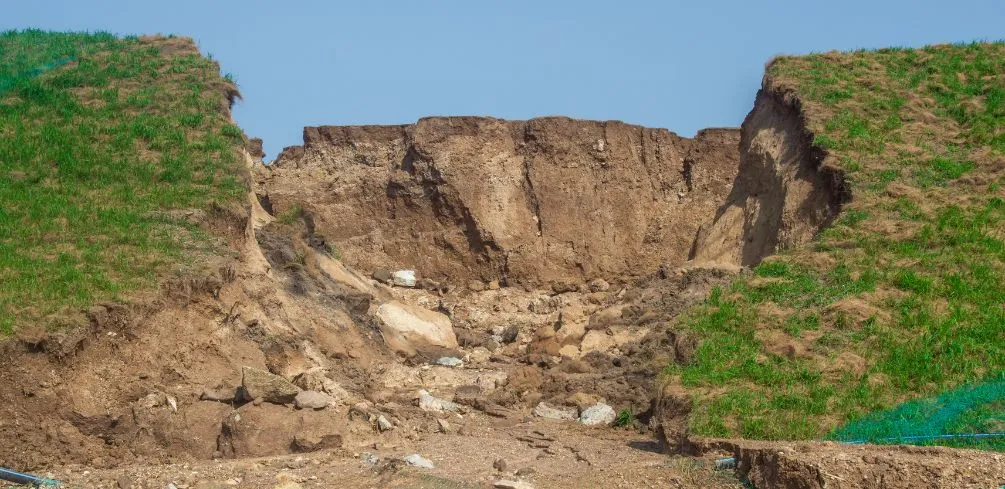
Soil erosion is a major environmental problem that can have significant impacts on the productivity of agricultural lands, natural ecosystems, and even human infrastructure. It is estimated that soil erosion affects approximately 25% of the global land area, with rates varying widely depending on local conditions and human activities.
Preventing soil erosion has become an urgent priority for many people around the world who recognize the importance of preserving our natural resources for future generations. There are many strategies that can be employed to prevent soil erosion, ranging from simple measures such as using cover crops and mulches to more complex techniques like terracing and contour farming.
These approaches all aim to reduce the amount of soil that is displaced by wind or water, which in turn helps to maintain soil fertility and protect against nutrient loss. In addition, preventing soil erosion can also help to mitigate climate change by reducing carbon emissions associated with land degradation.
As we move forward into an uncertain future, it is essential that we work together to find effective solutions for preventing soil erosion and safeguarding our planet’s precious resources.
Understanding The Causes Of Soil Erosion
Soil erosion is a natural process that occurs due to various factors such as wind, water, and human activities.
Deforestation has a significant impact on soil erosion. Trees play a vital role in anchoring the soil and preventing it from being washed away by rainwater or blown away by strong winds. When forests are cleared for agriculture, logging, or urbanization, the soil becomes vulnerable to erosion.
Agriculture also plays a crucial role in soil erosion. Modern agricultural practices such as intensive tillage, monoculture cropping, and the use of heavy machinery can lead to rapid soil degradation. The removal of vegetation cover during cultivation leaves the soil exposed and vulnerable to erosion by wind and water.
This results in the loss of topsoil which contains essential nutrients required for plant growth. Understanding the causes of soil erosion is critical for developing effective strategies to prevent it from occurring in the first place.
Simple Measures For Soil Conservation
The earth is a fragile ecosystem that needs delicate care and nurturing to maintain its natural balance. Soil erosion is one of the most significant environmental challenges we face today, as it causes massive damage to crop yields, water supply, and biodiversity.
To prevent soil erosion and ensure sustainable food production for future generations, we must adopt simple measures for soil conservation.
Terrace gardening is an excellent way to conserve soil and prevent erosion. It involves building terraces on slopes or hillsides, which hold the soil in place and prevent it from washing away during heavy rains. This method also allows farmers to grow crops on steep terrain without damaging the land’s natural structure.
Another effective method for soil conservation is rainwater harvesting, which involves collecting rainwater runoff from rooftops or other surfaces and storing it for later use. This technique not only conserves soil but also helps farmers tackle water scarcity during dry spells.
By adopting these simple measures for soil conservation, we can build a sustainable future where agriculture thrives while preserving the environment’s health and well-being. Incorporating terrace gardening and rainwater harvesting into our farming practices may seem like small steps, but they have significant impacts on the environment’s health and sustainability.
These methods help preserve the delicate balance between human activities and nature by promoting responsible land use practices that protect our planet’s resources. By working together towards a common goal of preserving our environment, we can create a better world for ourselves and future generations.
Terracing And Contour Farming Techniques
Terracing and contour farming are effective techniques for preventing soil erosion.
Terracing involves creating a series of flat areas on steep slopes to reduce the speed of water runoff, allowing it to seep into the soil and reduce erosion. This technique is particularly useful in areas with heavy rainfall or where the topsoil is thin. The benefits of terracing include improved water retention, reduced soil erosion, and increased crop yields.
Contour farming involves planting crops along the natural contours of the land instead of in straight rows. This reduces water runoff and soil erosion by slowing down the flow of water across the land. Contour farming also helps to retain moisture in the soil, which can increase crop yields and reduce the need for irrigation.
Other advantages of contour farming include improved soil health and reduced fertilizer use, as nutrients are retained in the soil instead of being washed away by runoff. These techniques can be used together to create a comprehensive approach to preventing soil erosion and maintaining healthy soils for generations to come.
Mitigating Climate Change Through Soil Erosion Prevention
Like terracing and contour farming techniques, mitigating climate change through soil erosion prevention is a crucial aspect of sustainable agriculture. Just as a ship needs to plug all its leaks to stay afloat, agriculture must prevent soil erosion to ensure long-term productivity.
Soil erosion not only leads to the loss of topsoil but it also contributes to carbon emissions that exacerbate climate change. Therefore, it is essential to understand the various methods available for preventing soil erosion.
Here are four ways that farmers can mitigate climate change through soil erosion prevention:
- Cover crops: Planting cover crops helps protect the soil from rain and wind erosion while also adding organic matter to the soil, improving its structure.
- Conservation tillage: This method leaves crop residue on the field after harvesting, reducing water runoff and promoting healthy soil biology.
- Terracing: Terracing involves creating level platforms on steep slopes with retaining walls built across the slope’s contour lines. This reduces water runoff, preventing soil from being washed away.
- Agroforestry: This practice involves integrating trees into agricultural landscapes to create more stable ecosystems while providing multiple benefits such as carbon sequestration.
By implementing these techniques in their farms, farmers can reduce their carbon footprint while ensuring long-term productivity and sustainability.
Collaborative Efforts For Long-Term Soil Health
Community involvement is essential in implementing sustainable practices for long-term soil health. By working collaboratively, the community can share knowledge and resources to prevent soil erosion and promote healthy soil.
This can be achieved through community gardens, where individuals can learn about sustainable farming practices and contribute to a healthier environment. Additionally, community organizations can work with local farmers to implement best practices that minimize soil erosion and preserve the quality of the land.
Sustainable practices are crucial for ensuring long-term soil health. These practices include crop rotation, cover cropping, reduced tillage, and nutrient management. These methods help to maintain healthy soils by promoting biodiversity, reducing soil compaction, and retaining moisture.
By utilizing these sustainable practices and involving the community in their implementation, we can safeguard our soils for future generations. It is imperative that we prioritize the long-term health of our soils to mitigate the effects of climate change, protect our food supply, and preserve our natural resources.
Frequently Asked Questions
What Is The Best Type Of Soil For Preventing Erosion?
Soil composition and landscape features are two crucial factors that determine the resistance of soil against erosion. The best type of soil for preventing erosion is one that has a high content of clay, silt, and organic matter.
These components help to bind soil particles together, reducing their susceptibility to water and wind erosion. Additionally, soils with a high infiltration rate and good drainage can also prevent erosion by allowing water to penetrate quickly into the soil instead of running off the surface.
Landscape features such as vegetation cover, topography, and slope also play a significant role in preventing soil erosion. Vegetation cover helps to hold soil particles in place while also reducing the impact of rainfall or wind on exposed soil surfaces.
Flat terrain with gentle slopes is less susceptible to erosion than steep slopes, where runoff tends to be faster and more erosive. Therefore, it is essential to consider both soil composition and landscape features when implementing measures for preventing soil erosion.
How Long Does It Take For Soil Erosion To Cause Significant Damage To The Environment?
Impact assessment studies have shown that soil erosion can cause significant damage to the environment over a period of time. The duration for which the damage occurs depends on various factors such as the extent of the erosion, soil type, slope, and rainfall patterns.
However, erosion control techniques such as terracing, contour farming, and mulching can significantly reduce the impact of soil erosion on the environment. These techniques enable farmers to preserve their land and maintain its fertility while also promoting sustainable agriculture practices.
Therefore, it is essential for stakeholders to implement these measures to mitigate soil erosion’s harmful effects on the environment.
How Do Different Types Of Vegetation Affect Soil Erosion Rates?
Vegetation plays a crucial role in mitigating soil erosion rates, as different types of vegetation possess varying root systems that impact slope gradients. Land use practices also affect soil erosion rates, with agriculture and deforestation being significant contributors to soil degradation.
Numerous studies conducted on the effectiveness of vegetation in preventing soil erosion have shown that dense vegetation cover reduces the rate of soil erosion by up to 90%. Vegetative cover acts as a barrier to water and wind forces, reducing their energy and velocity before reaching the soil surface.
Additionally, root systems anchor the soil particles together, increasing soil stability and reducing the likelihood of erosion. It is evident that vegetation can play a crucial role in preventing soil erosion and restoring degraded lands, thus highlighting its importance in sustainable land management and environmental conservation efforts.
Can Soil Erosion Be Prevented Without Using Chemicals Or Heavy Machinery?
Natural methods and sustainable solutions have been explored to prevent soil erosion without the use of chemicals or heavy machinery. These methods include the use of cover crops, terracing, contour plowing, crop rotation, and mulching.
Cover crops such as legumes help fix nitrogen in the soil and build organic matter, which improves soil structure and reduces erosion. Terracing involves creating a series of level steps on steep slopes to slow down water flow and reduce erosion.
Contour plowing is another technique that involves planting along the contour lines of a hillside to reduce water flow downhill. Crop rotation helps improve soil health by alternating different crops with varying root depths and nutrient requirements.
Mulching involves covering bare soil with organic material to protect it from raindrop impact and wind erosion. Natural methods offer long-term benefits for soil health and do not harm the environment, making them an attractive option for preventing soil erosion.
How Does Soil Erosion Affect Wildlife Populations?
Wildlife conservation is an important aspect of habitat restoration, and soil erosion can have a profound impact on wildlife populations. Like a domino effect, soil erosion disrupts the delicate balance of ecosystems, leading to habitat loss and decreased biodiversity.
As topsoil is washed away, plants struggle to take root, which in turn limits the availability of food and shelter for animals. This can result in reduced reproductive success and even death for some species.
Therefore, it is crucial that we consider the effects of soil erosion on wildlife populations when implementing habitat restoration efforts. By taking steps to prevent soil erosion, such as using natural barriers or planting vegetation, we can help protect these vulnerable ecosystems and ensure the survival of our diverse wildlife populations.
Conclusion
Soil erosion is a serious problem that affects the environment in many ways. The best type of soil for preventing erosion is one that has a high clay content, as clay particles are smaller and more tightly packed than other types of soil particles.
Erosion can cause significant damage to the environment in as little as five years, with some estimates suggesting that up to 35% of arable land worldwide has already been lost due to erosion.
Different types of vegetation have varying effects on soil erosion rates. Trees and shrubs with deep root systems can help stabilize soil and prevent erosion, while grasses and other ground cover plants also play an important role in protecting topsoil from wind and water erosion.
Preventing soil erosion without using chemicals or heavy machinery is possible through practices like crop rotation, conservation tillage, and cover cropping. These methods help to maintain healthy soils that are less prone to erosion, which can ultimately benefit wildlife populations by preserving their habitats.