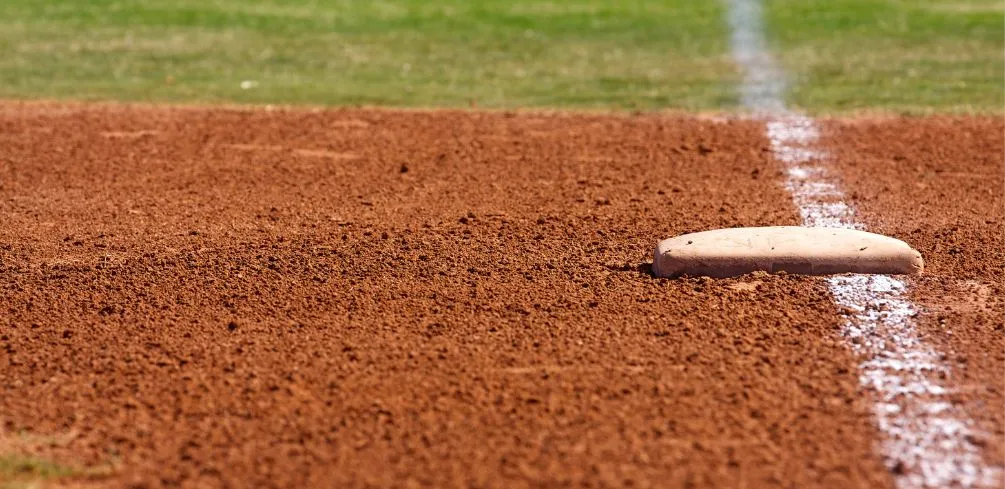
Sports fields are an integral part of almost every community and serve as a meeting point for sports enthusiasts. These fields are used for various sports activities, including football, baseball, and soccer.
However, maintaining sports fields can be challenging, especially when it comes to managing the dirt surface. Dirt is an essential component of any sports field as it provides traction and stability for the players. Still, if not managed properly, it can lead to safety hazards and poor playing conditions.
The accumulation of dirt in sports fields is a common problem faced by many communities. Dirt buildup can result from excessive use of the field or poor drainage systems. The presence of dirt clumps on the field can cause uneven surfaces that increase injury risks for athletes.
Moreover, dirty playing surfaces can negatively impact the aesthetics of the field and contribute to poor air quality in surrounding areas. In this article, we will explore the effects of dirt buildup on sports fields and discuss strategies that communities can use to maintain clean playing surfaces.
The Importance Of Dirt In Sports Fields
The sight of a well-maintained sports field can be breathtaking. The vibrant green grass, the perfectly lined markings, and the crisp white goalposts all come together to create a visually appealing environment.
However, what lies beneath the surface is just as important as what meets the eye. The composition of dirt in sports fields plays a crucial role in ensuring that the athletes who use them are at their best.
The benefits of having high-quality dirt in sports fields are numerous. Firstly, it provides a stable base for the grass to grow on, preventing erosion and ensuring even growth. Secondly, it allows for efficient drainage, reducing waterlogging and preventing damage to the turf. Moreover, it creates an ideal surface for athletes to play on by providing enough traction for running and jumping while still allowing for easy movement across the field.
Therefore, understanding how dirt composition affects sports fields is essential in creating optimal conditions for athletes to perform at their best.
Causes Of Dirt Buildup On Sports Fields
After understanding the importance of dirt in sports fields, it is essential to identify the causes of dirt buildup.
One of the main reasons for dirt accumulation is insufficient maintenance, which can lead to soil compaction and nutrient depletion. Soil compaction occurs when soil particles are pressed together, reducing the space between them and making it difficult for water and air to penetrate. As a result, the soil becomes hard and compacted, making it difficult for roots to absorb nutrients and water.
Another cause of dirt buildup is the heavy use of sports fields without proper rest periods. When athletes continuously use a field without giving it time to recover, it can lead to soil erosion, which removes topsoil from the surface. Over time, this can lead to uneven surfaces that affect playability and increase player injury risk.
To prevent these issues from occurring, preventive measures such as regular watering, fertilization, and aeration should be implemented. By maintaining healthy soil composition through regular maintenance practices, sports field managers can ensure that their fields remain in optimal condition for players while minimizing the risk of injury.
In addition to proactive maintenance strategies such as watering and fertilizing, implementing rotation schedules for field usage can help prevent soil compaction and allow fields time to recover between uses. Additionally, using turf varieties that are well-suited for specific playing conditions can help reduce wear on the field while promoting healthy growth patterns.
By taking these steps to preserve soil quality on sports fields, managers can help ensure that athletes have safe and enjoyable places to practice and compete in their respective sports.
Effects Of Dirt Buildup On Sports Fields
Dirt buildup on sports fields is a common issue that can have serious long-term consequences. As dirt and debris accumulate, it can cause drainage problems, resulting in standing water and poor field conditions. This can lead to injuries for athletes and cause the field to become unusable for extended periods.
Additionally, excessive dirt buildup can affect the quality of turfgrass, which can lead to the death of the grass and the need for costly repairs. Prevention methods are essential for maintaining healthy sports fields. Regular maintenance practices such as removing debris, aerating soil, and implementing proper drainage systems can help prevent dirt buildup.
It is also important to limit heavy foot traffic and use designated walkways during events. By following these preventative measures, sports fields can remain in optimal condition and provide a safe environment for athletes.
Proper maintenance practices are crucial for ensuring safe playing conditions. Neglecting preventative measures can result in costly repairs and injuries. Maintaining healthy sports fields requires a collective effort from all stakeholders.
Overall, it is essential to address dirt buildup on sports fields to ensure that they remain safe and functional over time. Prevention methods should be implemented regularly to maintain optimal field conditions. By doing so, we not only protect our athletes but also preserve these valuable community resources for future generations.
Strategies For Maintaining Clean Playing Surfaces
The buildup of dirt on sports fields can have detrimental effects on the playing surface. It can cause unevenness and make it difficult for athletes to perform at their best. In addition, dirt buildup can lead to erosion and soil compaction, which can further damage the field.
Preventing erosion is an important part of maintaining sports fields, as it helps to keep the ground level and free from irregularities that could interfere with gameplay. Strategies such as adding mulch or other organic matter to the soil can help prevent erosion by improving water retention and soil structure.
Another key aspect of maintaining clean playing surfaces is soil aeration. This process involves creating small holes in the soil to allow air, water, and nutrients to penetrate deeper into the ground. This helps to improve root growth and overall plant health, which in turn leads to a better playing surface.
There are several methods for aerating sports fields, including spike aerators, core aerators, and slicing machines. By implementing regular soil aeration practices along with preventative measures against erosion, sports field managers can ensure that their playing surfaces remain in optimal condition for athletes and spectators alike.
Best Practices For Managing Dirt On Sports Fields
As sports enthusiasts, we all know that proper dirt management is crucial to maintaining a top-quality playing field. Unfortunately, many sports fields suffer from inadequate dirt management practices, which can lead to poor playing conditions and even injuries. To avoid these issues, it’s essential to implement best practices for managing dirt on sports fields.
One of the most important aspects of proper dirt management is soil testing. Soil composition can vary greatly depending on location and climate, so it’s crucial to test your soil regularly to ensure that you’re using the right type of dirt for your field.
A professional soil testing service can analyze your soil samples and provide recommendations for improving their quality. This investment can go a long way in ensuring that your athletes have a safe and high-quality playing surface.
Another key consideration is drainage systems. Proper drainage is critical in preventing water buildup and ensuring that the field remains playable even after heavy rainfall or snowmelt.
Installing an effective drainage system requires careful planning and execution, but the benefits are well worth the effort. With proper drainage systems in place, you can reduce the risk of injury due to wet or muddy playing conditions while also extending the lifespan of your field.
Incorporating these best practices into your dirt management routine can help ensure that your sports field remains in top condition year-round. By prioritizing soil testing and implementing effective drainage systems, you’ll create a safe and enjoyable environment for athletes at all levels of play.
Frequently Asked Questions
What Is The Best Brand Of Dirt To Use For Sports Fields?
When it comes to selecting the best brand of dirt for sports fields, it’s important to consider the type of sport being played on the field. Certain sports, such as baseball and softball, require a specific composition of dirt that promotes good ball bounce and player safety.
In such cases, popular brands like Pro’s Choice or Diamond Pro are often recommended. However, these high-end brands may not be cost-effective for all sports fields.
As such, there are alternative options available that can offer similar performance at a lower price point. It is crucial to weigh the benefits and drawbacks of each brand before making a decision on which one is best suited for your particular field and budget.
Can Dirt Buildup On Sports Fields Be Completely Avoided?
Preventing dirt accumulation in sports fields is a crucial aspect of maintaining the quality and safety of the playing surface. Maintenance techniques such as regular grooming, top dressing, and aerating can help prevent the buildup of dirt on sports fields.
However, it may not be completely avoidable due to factors such as weather conditions and the type of sport being played. By implementing proper maintenance techniques and regularly monitoring the condition of the field, sports facilities can ensure a safe and enjoyable experience for athletes and spectators alike.
How Does Dirt Buildup Affect The Health Of Athletes?
The accumulation of dirt in sports fields can have a detrimental effect on the athletic performance and respiratory health of athletes. Dirt buildup can impede the proper functioning of equipment such as shoes, ultimately hindering an athlete’s ability to perform optimally.
Moreover, excessive dust and particles from dirt can lead to respiratory problems for athletes, which can further compromise their performance. Inhalation of these particles can cause bronchial spasms, allergies, and other respiratory complications, which can be detrimental to overall health.
Therefore, it is essential to monitor the buildup of dirt in sports fields to ensure that necessary measures are taken to maintain a healthy playing environment for athletes.
Can Dirt Buildup On Sports Fields Cause Long-Term Damage To The Soil?
The buildup of dirt on sports fields can lead to soil erosion and long-term damage to the soil. Prevention techniques such as regular maintenance and proper drainage solutions can help mitigate this impact.
In addition, the buildup of dirt can also have an impact on groundwater, which requires careful consideration when designing sports fields.
By implementing effective prevention techniques and drainage solutions, sports fields can maintain healthy soil and minimize its impact on the environment.
Are There Any Natural Remedies For Cleaning Dirt Buildup On Sports Fields?
When it comes to cleaning dirt buildup on sports fields, there are several DIY solutions and commercial products available in the market. These options range from using a homemade mixture of vinegar and water to utilizing specialized equipment such as industrial vacuums and sweepers.
While natural remedies like raking and aeration can be effective at removing surface-level debris, commercial products like soil surfactants and wetting agents can penetrate deeper into the soil to break up compacted dirt.
Ultimately, the choice between DIY solutions or commercial products will depend on various factors such as budget, field size, and severity of dirt buildup. It is important to note that regular maintenance and proper field care practices can also prevent excessive dirt accumulation in the first place.
Conclusion
Various factors come into play when choosing the best brand of dirt to use for sports fields. The consequences of dirt buildup on these fields can be severe, ranging from decreased performance to injury. The long-term effects on soil health are also a concern.
While there are natural remedies available for cleaning up dirt buildup on sports fields, it is best to prevent its accumulation by regularly maintaining the field.
In conclusion, preventing dirt buildup in sports fields is crucial for the safety and health of athletes and soil preservation. Like a gardener who carefully tends their plants, those responsible for maintaining sports fields must take care to keep them free from harmful substances such as excess dirt.
This will ensure that athletes can perform at their best while preserving the integrity of the field’s soil for future generations.