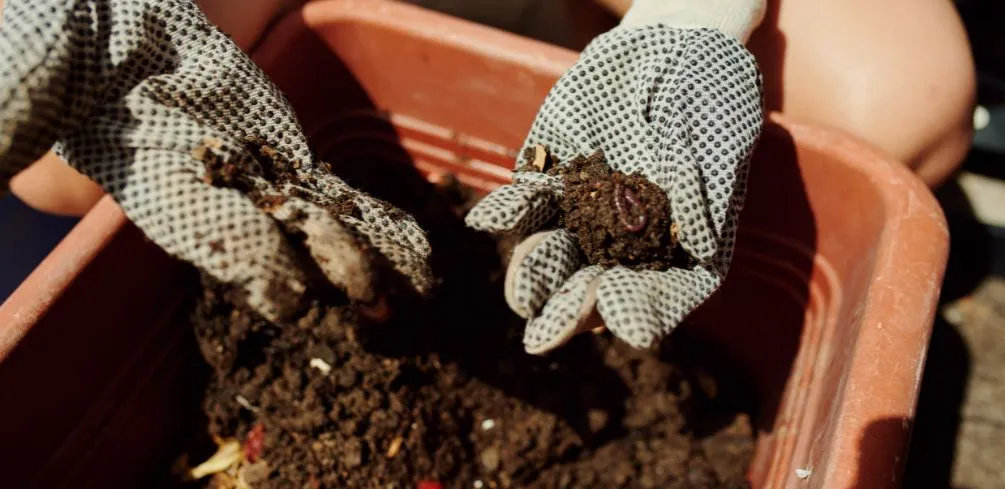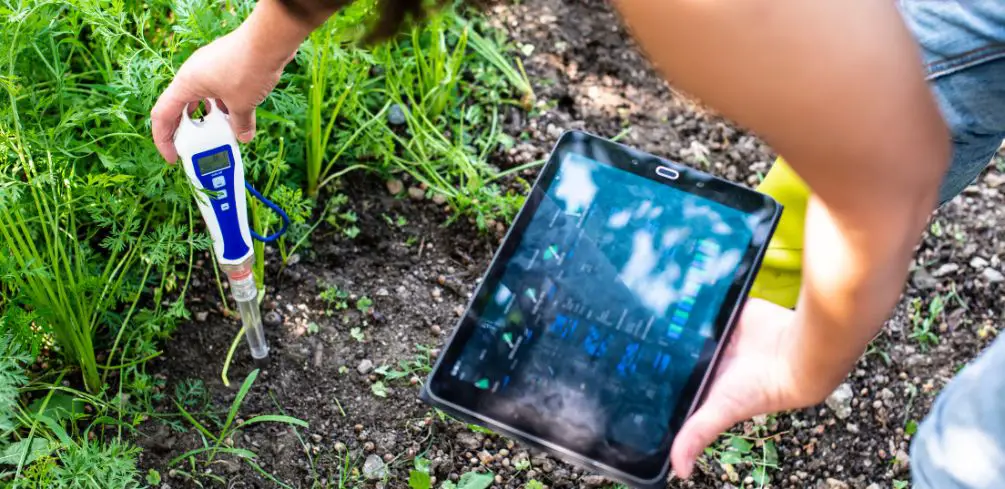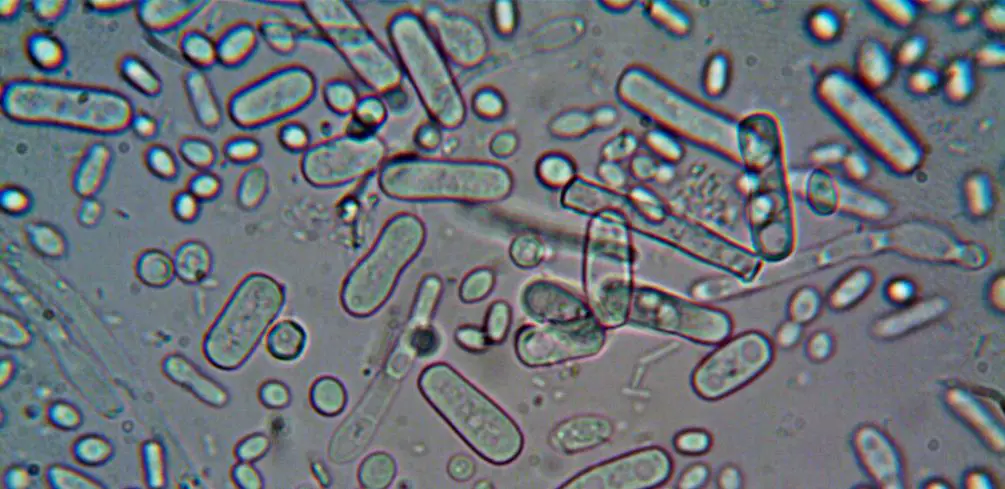
Soil is a complex ecosystem that is teeming with life. While visible plants and animals may be the most obvious inhabitants, it is the microorganisms that play a vital role in maintaining soil health and overall ecosystem function.
Microorganisms in soil are an incredibly diverse group of organisms that encompass bacteria, fungi, protozoa, and viruses. These tiny creatures have a significant influence on soil nutrient cycling, organic matter decomposition, and plant growth.
Understanding the role of microorganisms in soil is crucial for sustainable agriculture practices and environmental conservation. Soil microbiology research has shown that microbial diversity is directly linked to soil productivity and resilience.
A healthy soil microbiome can help prevent erosion, reduce greenhouse gas emissions, and increase crop yields without relying on synthetic fertilizers or pesticides. As such, exploring the intricate world of microorganisms in soil has become a subject of great interest for scientists and farmers alike.
The Diversity Of Microorganisms In Soil
The diversity of microorganisms in soil is vast and complex. It is estimated that there are approximately 4-6 billion bacterial cells per gram of soil and around 100,000 different species of bacteria. Furthermore, it is thought that only a small proportion of the microorganisms in soil have been identified, indicating an even greater potential for diversity.
Microbial interactions play a crucial role in the soil microbiome structure. The interactions between microorganisms can be mutualistic (both organisms benefit), commensalistic (one organism benefits while the other is unaffected), or parasitic (one organism benefits at the expense of the other).
These interactions can drive changes in community composition and function, affecting nutrient cycling, plant growth, and disease suppression. Understanding these interactions can provide insights into how to manipulate soil microbial communities for agricultural or environmental purposes.
The Importance Of Microorganisms In Soil Health
The importance of microorganisms in soil health cannot be overstated. Soil is a complex ecosystem that supports a wide variety of life, and microorganisms play a key role in maintaining its balance.
The soil food web is a complex network of organisms that interact with each other in ways that are not yet fully understood. However, it is clear that microorganisms are essential for the health and productivity of soils.
Recent advances in microbiome analysis have shed new light on the diversity and complexity of microorganisms in the soil. Through this technology, researchers have been able to identify thousands of different species living within even small areas of soil.
This has led to a greater understanding of how these organisms interact with each other and with their environment and has highlighted the importance of preserving soil ecosystems for future generations. By recognizing the crucial role played by microorganisms in maintaining healthy soils, we can take steps to protect and nurture these important ecosystems for generations to come.
Nutrient Cycling And Decomposition
The previous section emphasized the importance of microorganisms in soil health, highlighting their role in processes such as nutrient cycling, biological control of pests and diseases, and soil structure formation. These are essential factors that contribute to the sustainability of soil ecosystems, and they are interdependent on each other.
Microorganisms play a crucial role in maintaining good soil structure, which is necessary for plant growth and development. Soil aggregation, which refers to the clumping together of soil particles, is an essential factor that determines soil structure.
Microbes produce substances that act as glues or binders that hold these particles together, promoting good aeration and water infiltration. Another critical function of microorganisms in soils is carbon sequestration.
Carbon sequestration refers to the process by which atmospheric carbon dioxide is stored in soils through various mechanisms, such as photosynthesis by plants or microbial activity. This process helps mitigate climate change by reducing greenhouse gas emissions from the atmosphere.
Microbes play a significant role in carbon sequestration by breaking down organic matter and converting it into stable forms of carbon that can remain in soils for long periods. Moreover, they also help prevent erosion by holding the soil particles together with their sticky substances.
In summary, microorganisms contribute significantly to soil health through functions such as nutrient cycling and decomposition of organic matter, promoting good soil structure through aggregation and aiding carbon sequestration processes.
The Role Of Microorganisms In Plant Growth
Microbial symbiosis is an essential factor in the growth and development of plants. The interactions between microorganisms and plant roots create a beneficial environment that enhances plant growth.
Microbes contribute to soil fertility by decomposing organic matter that releases nutrients into the soil, which are then absorbed by the plant roots. They also protect plants from harmful pathogens by producing antibacterial compounds.
Plant-microbe interactions involve a complex network of chemical signals that facilitate communication between microbes and plants. This communication system allows the plant to respond to environmental changes and adapt accordingly.
Additionally, microbes can induce systemic resistance within plant tissues, which makes them more resistant to pathogenic infections. As such, microbial symbiosis plays a crucial role in maintaining the health and productivity of agricultural systems, making it an essential area of research for sustainable agriculture practices.
Sustainable Agriculture Practices And Environmental Conservation
The role of microorganisms in plant growth is crucial for the sustainability of agricultural practices. These microscopic creatures are responsible for several functions, such as nutrient cycling, soil structure maintenance, and disease suppression.
It is well-known that soil structure plays an essential role in crop productivity by regulating water infiltration and retention, nutrient availability, and root development. Microorganisms contribute to soil structure formation by producing organic substances that bind soil particles together, creating stable aggregates that resist erosion.
Furthermore, microbial pesticides are becoming a popular alternative to synthetic chemicals in sustainable agriculture practices. These pesticides are derived from microorganisms such as bacteria, fungi, viruses, and protozoa that have natural antagonistic properties against pests and diseases.
The use of microbial pesticides can significantly reduce the risk of environmental contamination caused by synthetic pesticides while maintaining effective pest control. Moreover, these products can improve soil health by promoting the growth of beneficial microorganisms that enhance nutrient cycling and suppress pathogenic organisms.
Soil microbiology is a fascinating field with significant implications for sustainable agriculture practices and environmental conservation.
Frequently Asked Questions
How Do Microorganisms In Soil Affect Human Health?
The role of microorganisms in soil is vast and diverse, with potential impacts on human health. Some microorganisms play a beneficial role by breaking down pollutants and toxins found in soil, reducing their harmful effects on human health.
Others contribute to the production of antibiotics and other medicines that can be used to treat various illnesses. However, certain microbial species can also pose a risk to human health if they are pathogenic or produce toxins that can lead to infections or poisoning.
Thus, understanding the diversity of microorganisms in soil and their potential effects on human health is crucial for ensuring safe agriculture practices, environmental sustainability, and ultimately promoting public health.
Can Soil Microorganisms Be Used To Produce Antibiotics?
The soil microbiome is a complex ecosystem that is rich in diversity and plays a critical role in maintaining soil health. Recent studies have shown that soil microorganisms possess the potential to produce novel antibiotics, which could be used to combat antibiotic resistance in human pathogens.
The ability of soil microorganisms to produce antibiotics has been attributed to their unique ability to adapt to environmental stressors, such as nutrient availability and competition for resources.
Given the increasing prevalence of antibiotic-resistant pathogens, the exploration of soil microorganisms as a source of new antibiotics is an exciting area of research with great potential for future drug development.
What Is The Impact Of Pesticides On Soil Microorganisms?
Pesticide toxicity is an area of concern in the agricultural industry, particularly due to its negative impact on microbial diversity in soil. The use of pesticides has been associated with a reduction in the abundance and diversity of soil microorganisms, which are responsible for nutrient cycling, soil fertility, and plant growth promotion.
This is because pesticides can selectively target certain groups of microorganisms, leading to imbalances in the microbial community structure. Furthermore, prolonged exposure to pesticides can result in the development of pesticide resistance among microorganisms, reducing their effectiveness as natural pest control agents.
Therefore, understanding the impact of pesticides on soil microorganisms is critical for sustainable agriculture practices that support the maintenance of healthy soils and ecosystems.
How Do Changes In Climate Affect Soil Microorganisms?
The impact of climate change on soil microorganisms cannot be overstated. The delicate balance in the soil’s ecosystem is being drastically altered as temperatures rise, rainfall patterns shift, and extreme weather events become more frequent.
This has resulted in a biodiversity loss of soil microorganisms, which are crucial to maintaining the health and fertility of soils. The changes in climate have also led to alterations in microbial communities and their functions, which can have cascading effects on plant growth, nutrient cycling, and greenhouse gas emissions.
It is imperative that we take urgent action to mitigate the impact of climate change on soil microorganisms before irreversible damage is done to our planet’s ecosystems.
Can Soil Microorganisms Be Used To Reduce Greenhouse Gas Emissions?
Soil microorganisms have been identified as potential solutions for reducing greenhouse gas emissions. These microorganisms, which are found in the microbial diversity of soil ecosystems, play a critical role in carbon cycling and can contribute to the reduction of atmospheric carbon dioxide levels.
Recent studies have shown that certain types of soil microorganisms can increase the capture and storage of carbon in soil, while also reducing nitrous oxide emissions, another potent greenhouse gas. The use of soil microorganisms as a means of reducing greenhouse gas emissions has the potential to be an effective and sustainable solution to climate change.
Conclusion
Microorganisms in soil play an essential role in the ecosystem, affecting human health and agriculture. Soil microorganisms can be used to produce antibiotics, which can help fight against infectious diseases.
However, pesticides have a damaging impact on soil microorganisms by reducing their diversity and abundance. Changes in climate also affect soil microorganisms, leading to changes in nutrient cycling and productivity.
In addition to their importance for agriculture, soil microorganisms also play a crucial role in mitigating climate change. They have the potential to reduce greenhouse gas emissions through processes such as carbon sequestration and nitrogen fixation.
By understanding the complex interactions between soil microorganisms and the environment, we can develop sustainable agricultural practices that benefit both human health and the planet.