The availability of nutrients in the soil is a crucial factor that determines the growth and development of plants. Nutrient availability refers to the number of minerals and other essential elements present in the soil that can be taken up by plant roots for their metabolic processes.
The study of nutrient availability in soil is an important area of research that has implications for agriculture, forestry, and environmental science. In recent years, concerns have been raised about the depletion of nutrients in soils due to intensive farming practices and other human activities.
As a result, there has been growing interested in understanding the factors that influence nutrient availability in soil and developing strategies to improve it. This article will explore the various factors that affect nutrient availability in soil, including soil pH, organic matter content, and microbial activity.
It will also discuss some of the techniques used to measure nutrient availability and highlight some of the current challenges in this field. By understanding these concepts, readers can gain a greater appreciation for the complex interactions between plants and their environment and how we can work towards sustainable land management practices.
The Role Of Soil Ph In Nutrient Availability
Soil pH plays a crucial role in nutrient availability and, consequently, plant growth. The acidity or alkalinity of the soil affects the solubility of various nutrients, influencing their uptake by plants.
Generally, acidic soils (pH lower than 7) tend to limit the availability of essential nutrients such as phosphorus, calcium, and magnesium. On the other hand, alkaline soils (pH higher than 7) can cause deficiencies in micronutrients such as iron, manganese, and zinc.
Therefore, maintaining an optimal soil pH is vital for ensuring healthy plant growth and high crop yields. To achieve an ideal soil pH level for a particular crop or plant species, pH adjustment methods are employed.
The most common method is liming – adding lime to acidic soils to increase their pH levels. Different types of lime exist depending on their solubility rate and composition; thus it is essential to choose the appropriate one for a particular soil type.
Acidifying agents such as sulfuric acid can be used to decrease soil pH levels in alkaline soils. However, this method requires careful handling since excessive use can lead to toxic conditions that adversely affect plant growth.
Additionally, organic matter amendments such as composting can help stabilize soil pH levels while also providing additional nutrients for plants’ uptake. Overall, understanding the role of soil pH in nutrient availability is crucial for successful agriculture practices that promote sustainable food production systems without compromising environmental health.
Impact Of Organic Matter On Nutrient Availability
The presence of organic matter in soil has a significant impact on nutrient availability. Organic matter is composed of decomposing plant and animal materials, which are transformed by soil microorganisms into nutrients that can be utilized by plants.
As such, soils with higher levels of organic matter tend to have greater nutrient availability than those with lower levels. This is particularly true for nitrogen, phosphorus, and sulfur but also applies to other essential elements like calcium and magnesium.
Composting is a common practice used to increase the amount of organic matter in the soil. Composting benefits nutrient availability in several ways. First, composting provides a source of readily available nutrients for plants as the decomposing material transforms into humus.
Second, composting helps to improve soil structure by increasing aggregate stability and water-holding capacity. Third, composting enhances the activity of beneficial microorganisms that help to break down organic material and release nutrients into the soil.
Ultimately, incorporating compost into soil can lead to improved crop yields and overall plant health due to increased nutrient availability and healthier soil conditions.
Overall, the impact of organic matter on nutrient availability is clear: soils with more organic matter tend to have greater nutrient availability than those with less. Composting provides a practical way for farmers and gardeners alike to increase the amount of organic matter in their soils while reaping benefits such as improved crop yields.
By prioritizing the incorporation of organic matter into soils through practices like composting, we can work towards sustainable agriculture systems that support both healthy soils and productive crops.
Microbial Activity And Nutrient Cycling
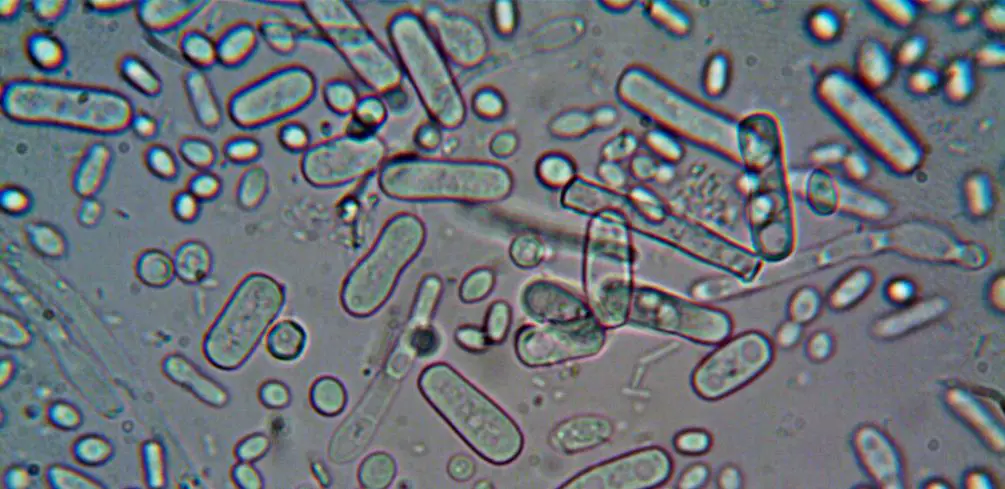
The microbial activity in soil plays a crucial role in nutrient cycling, making it an essential aspect of soil health. Microorganisms such as bacteria, fungi, and protozoa break down organic matter and release nutrients into the soil for plants to use.
The amount and diversity of microbes present in the soil impact nutrient availability, with higher microbial diversity leading to better nutrient cycling efficiency. Moreover, microbial activity in the soil also has a significant impact on carbon sequestration.
As microorganisms decompose organic matter, they release carbon dioxide into the atmosphere. However, some microbes can convert carbon into stable forms that remain in the soil for extended periods, contributing to carbon sequestration.
Therefore, maintaining high levels of microbial diversity is not only beneficial for nutrient cycling but also plays a vital role in mitigating climate change by sequestering carbon within the soil.
Techniques For Measuring Nutrient Availability
As discussed in the previous section, microbial activity plays a crucial role in nutrient cycling within soil. However, the nutrient availability in soil is not solely dependent on microbial activity but also on other factors such as plant uptake and soil testing.
Plant uptake refers to the ability of plants to acquire nutrients from the soil for their growth and development. Different nutrients have varying levels of availability based on soil conditions such as pH, moisture content, and organic matter content.
The availability of macronutrients such as nitrogen, phosphorus, and potassium can be influenced by factors such as temperature and water availability while micronutrient availability can be influenced by soil pH levels. Hence, understanding plant uptake mechanisms is vital in determining nutrient availability in soils.
Soil testing is another technique used to measure nutrient availability in soils. Soil testing involves analyzing soil samples for their chemical composition to determine their nutrient status.
This information helps farmers to make informed decisions about fertilization practices that are necessary for optimal crop growth and yield. It also helps researchers understand how different management practices affect nutrient availability in soils over time.
Therefore, incorporating both plant uptake and soil testing techniques can help us better understand the complex dynamics of nutrient availability in soils.
Addressing Nutrient Depletion In Soil Through Sustainable Land Management Practices
One of the most significant challenges facing farmers today is the depletion of nutrients in the soil. Nutrient depletion occurs when crops continually extract nutrients from the soil without replenishing them, leading to a decline in soil fertility over time.
This problem is further compounded by unsustainable land management practices such as monoculture farming, which involves growing the same crop repeatedly on the same piece of land.
Fortunately, there are sustainable land management practices that can help address this issue. Crop rotation is a method where different crops are grown in succession on the same piece of land, with each plant species extracting different nutrients from the soil. This practice helps to reduce nutrient depletion and improve soil health.
Cover cropping is another technique that involves planting cover crops during fallow periods to improve soil quality and suppress weeds. Cover crops help to increase organic matter content in the soil, which improves moisture retention and nutrient availability.
Other sustainable practices include minimizing tillage to prevent erosion and compaction and using natural fertilizers like compost or manure instead of synthetic chemicals. By implementing these methods, farmers can maintain healthy soils for future generations while increasing their crop yields and reducing production costs.
Sustainable land management practices help farmers maintain healthy soils while increasing crop yields and reducing production costs.
Frequently Asked Questions
What Are The Most Common Nutrient Deficiencies In Soil?
Soil pH levels and organic matter content are two important factors that influence the availability of nutrients in the soil. The most common nutrient deficiencies in soil depend on a variety of factors such as the type of crop being grown, geographical location, and weather patterns.
However, some of the most commonly observed nutrient deficiencies include nitrogen, phosphorus, potassium, calcium, magnesium, sulfur, and iron. Low soil pH levels can lead to reduced availability of certain nutrients such as calcium and magnesium while high pH levels can reduce the availability of micronutrients such as iron and manganese.
Organic matter content is also crucial for nutrient availability in the soil as it acts as a source of nutrients for plants while also improving soil structure and water-holding capacity. Understanding the most common nutrient deficiencies in the soil is essential for farmers to ensure that their crops receive adequate nutrition for optimal growth and yield.
How Does Soil Texture Affect Nutrient Availability?
While soil texture plays a crucial role in nutrient uptake and absorption, it is not the only factor that affects these processes. One anticipated objection to the idea that soil texture significantly impacts nutrient availability is that soil pH also plays a significant role.
However, research has shown that different textures of soil can impact nutrient availability in various ways. For example, sandy soils tend to have lower water-holding capacities and fewer nutrients due to their larger particle size.
On the other hand, clay soils tend to have higher water-holding capacities and more nutrients due to their smaller particle size. Additionally, soil pH can influence nutrient availability by affecting the chemical form of certain elements in the soil.
Therefore, understanding how soil texture and pH impact nutrient uptake and absorption can lead to better crop management practices and improved agricultural productivity.
Can Excessive Fertilizer Use Lead To Nutrient Depletion In Soil?
Excessive fertilizer use has been shown to result in nutrient depletion in soil, as it can lead to imbalanced soil pH and reduced organic matter content. Soil pH affects the availability and uptake of nutrients by plants, and excessive fertilizer use can cause an increase in soil acidity, which can inhibit the uptake of essential nutrients such as phosphorus and calcium.
Furthermore, the overuse of fertilizers can also lead to a decrease in organic matter content, which is crucial for maintaining healthy soil structure and promoting nutrient cycling. Therefore, it is important to carefully monitor fertilizer application rates and consider alternative methods such as crop rotation and cover cropping to promote sustainable nutrient management practices.
What Impact Do Climate And Weather Patterns Have On Nutrient Availability In Soil?
Weather patterns play a crucial role in the nutrient cycling process, which affects nutrient availability in soil. According to a study by Wenjuan Huang and colleagues (2017), precipitation patterns significantly impact soil nutrient concentrations, especially nitrogen, and phosphorus.
In addition, temperature fluctuations also affect the microbial community responsible for soil organic matter decomposition, further influencing nutrient availability. These findings suggest that understanding how climate change affects weather patterns can help predict changes in nutrient availability and inform sustainable agricultural practices.
How Does Crop Rotation Affect Nutrient Availability In Soil Over Time?
Crop rotation is a common agricultural practice that involves the sequential planting of different crops on the same land over time. This technique has been shown to have a positive impact on crop yield, as it improves soil health and nutrient availability.
The rotation of crops helps to maintain and enhance the soil microbiome, which plays a crucial role in nutrient cycling and plant growth. By rotating crops, farmers can reduce the build-up of pathogens and pests that target specific crops while also providing different plants with access to diverse nutrients from the soil.
As a result, crop rotation is an effective way to improve soil fertility and promote sustainable agriculture practices for long-term crop production.
Conclusion
Nutrient availability in soil is a crucial aspect of crop health and productivity. Soil nutrient deficiencies can result in stunted growth, lower crop yields, and plant diseases.
The most common nutrient deficiencies in soil are nitrogen, phosphorus, potassium, calcium, magnesium, and sulfur. Soil texture plays a significant role in nutrient availability as it affects the soil’s water-holding capacity and nutrient retention ability.
Excessive fertilizer use can lead to nutrient depletion in soil over time. Climate and weather patterns also impact nutrient availability in the soil as they affect moisture content and temperature levels. Crop rotation is an effective way to maintain or enhance soil nutrient availability by alternating crops with different nutrient requirements.
In conclusion, maintaining appropriate soil nutrition is vital for sustainable agriculture practices that ensure food security for generations to come. As the saying goes, ‘You reap what you sow,’ so let us nourish our soils so that they may continue to feed us abundantly.