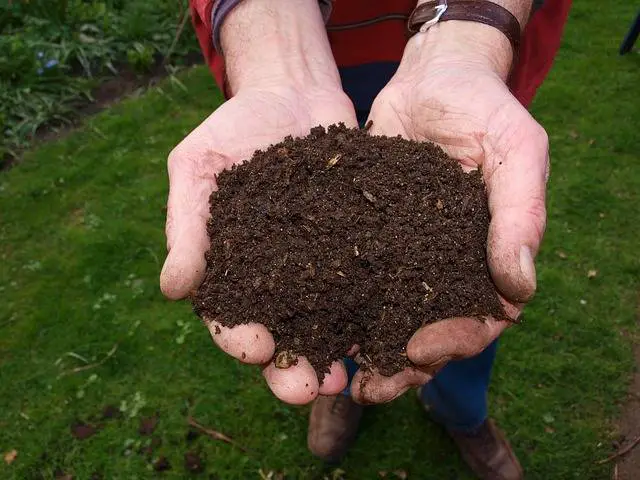
Composting has become increasingly popular as a way to reduce the amount of waste we produce and give back to the environment. Compost is an organic material derived from decomposing plants, animals, and their by-products that provides essential nutrients for plants, soil health, and other living organisms. This article will explore what compost is and how it is made, with the aim of helping readers understand this process and why it is so beneficial.
The process of making compost involves mixing together organic materials and allowing them to decompose further over time. This can be done in a variety of ways, such as through anaerobic digestion or vermicomposting, in addition to traditional composting methods. The type of compost created depends on the ingredients used, how they are mixed, and the length of time given for decomposition.
The benefits associated with creating compost are many. By understanding what compost is and how it is made, readers can make informed decisions about participating in this beneficial activity.
Definition
Composting is a process of breaking down organic materials such as food waste, yard trimmings, and manure into a soil-like material. This material, called compost, is rich in nutrients and can be used to supplement or replace traditional fertilizers in agricultural and horticultural applications.
Composting is an effective way to reduce the amount of organic waste that goes to landfills by recycling it into a natural fertilizer.
Composting is an age-old practice that has been used for centuries to improve the fertility of soils. Composting involves the controlled decomposition of organic matter by microorganisms in an aerobic environment.
The microorganisms break down the organic matter into simple compounds like carbon dioxide and water which are then absorbed by plants and soil microbes. The end result is a nutrient-rich humus or compost that can be used as a natural fertilizer for various crops or gardening projects.
The composting definition includes any activity that uses biological processes to convert organic materials into usable products such as mulch, topsoil, and fertilizer.
Composting can occur on both small and large scales depending on what type of materials are being broken down and how much effort is put into controlling the process. Many cities have municipal composting programs that collect food waste from restaurants and households for use in local gardens or parks.
Ingredients Used
Composting is an age-old process of transforming organic waste into a nutrient-rich material that can be used in gardening and agriculture. Like a butterfly emerging from its cocoon, compost emerges from the transformation of kitchen scraps, yard waste, animal manure, sawdust, and carbon material into a powerful elixir for soil health. As with any recipe, the ingredients are key.
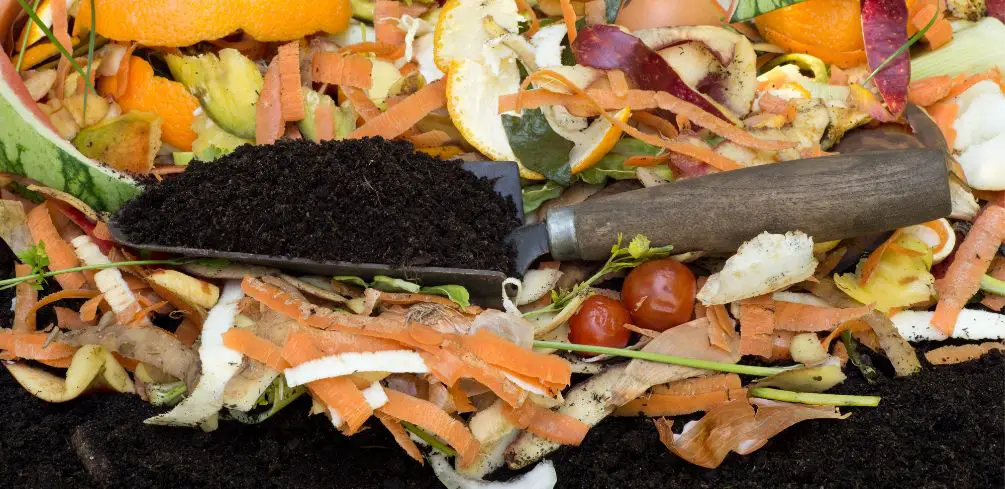
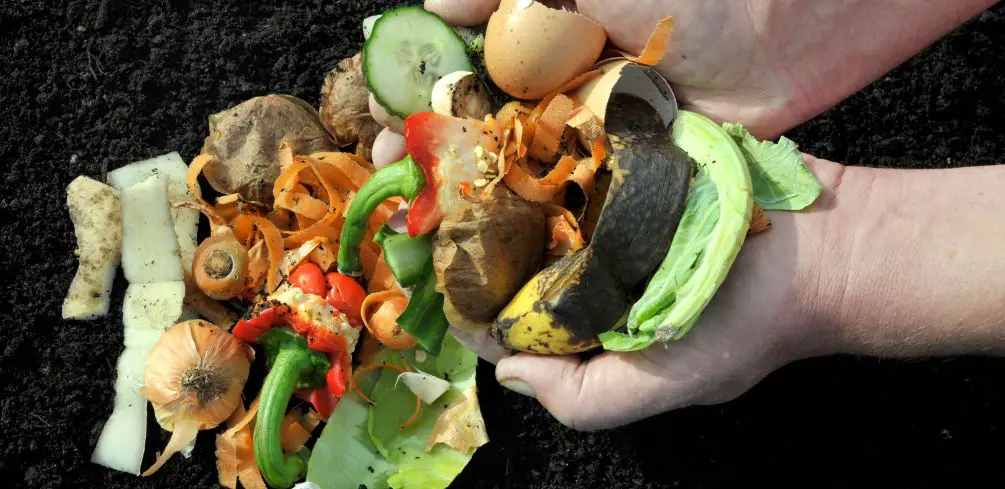
Kitchen scraps, including fruit and vegetable peelings, make up one of the main components of composting. These scraps provide nitrogen to the mix, which helps break down the other ingredients.
Yard waste like leaves, grass clippings, and small twigs provide carbon material that is necessary for decomposition as well as nitrogen in certain cases. Animal manure such as chicken, cow, or horse droppings can also be added to the mix but should be aged first before adding to the pile to avoid burning plants when it is applied to gardens or fields.
Sawdust from untreated wood offers another source of carbon-rich material while providing valuable minerals such as potassium and phosphorous to help promote plant growth.
These ingredients are combined in layers within the compost bin or pile and regularly turned to ensure air circulation, which helps speed up the process of decomposition. The end result is a dark, crumbly substance that helps increase soil fertility by providing essential nutrients for plant growth as well as aiding water retention in sandy soils and improving drainage in clay soils.
This remarkable transformation creates a life-giving fertilizer that has been used by farmers since antiquity.
The Composting Process
Composting is the process of breaking down organic matter into a nutrient-rich soil amendment. It is an important part of sustainable gardening and farming, as it recycles nutrients back into the soil for use by plants. The composting process involves several techniques, materials, and methods to achieve a high-quality compost product.
The following are some composting techniques:
- Hot composting – This method uses microbial activity to quickly break down organic matter and produce a finished product in about two months.
- Cold composting – This method takes longer (typically six months) but requires less effort than hot composting.
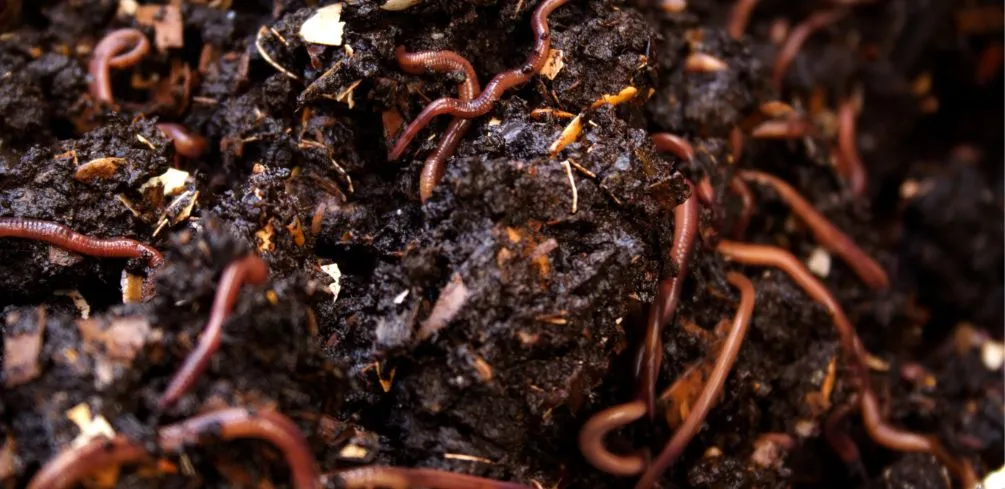
- Vermicomposting – This involves using worms to break down organic matter. Worms consume the waste and deposit their castings, which are then used as a fertilizer.
- Bokashi Composting – This is an anaerobic process that uses beneficial microorganisms to ferment organic matter into a nutrient-rich soil amendment.
Composting materials can include any organic material such as kitchen scraps, yard waste, leaves, straw, manure, sawdust, or paper products. Different types of materials will decompose at different rates so it’s important to mix them together for best results.
As they decompose they will create heat which helps speed up the process. Additionally, oxygen must be introduced periodically to ensure proper decomposition and avoid bad odors or pests.
There are several methods for creating compost including tumblers, bins, windrows (long rows), sheet composting (layering materials), and trenches (burying materials). Each has its own advantages and disadvantages so it’s important to research each option before deciding on one that best fits your needs.
Composting offers numerous benefits including improved soil structure and fertility; increased water retention; reduced dependence on chemical fertilizers; improved air quality; reduced methane emissions from landfills; reduced erosion; better plant growth; and healthier plant roots due to increased microbial activity in the soil ecosystem. Furthermore, it provides an effective way of managing food waste while providing vital nutrients back into the environment.
Overall, composting is an effective way of recycling nutrients back into the soil while reducing your carbon footprint at the same time. With a variety of techniques available there’s sure to be one that fits your needs perfectly whether you’re just starting out with home gardening or are running a large commercial operation.
Benefits Of Composting
Composting is a process that can benefit both the environment and those who use it. By composting organic waste, people are able to reduce their environmental footprint while also helping to promote soil fertility and plant growth.
The first benefit of composting is that it helps reduce the amount of waste sent to landfills. When organic materials such as paper, food, and yard waste are placed into a compost pile or bin, they decompose naturally, releasing valuable nutrients back into the environment. This process prevents these materials from being dumped in landfills where they would take up valuable space and create methane gas which contributes to global warming.
Another benefit of composting is that it enriches soil fertility. As the organic material decomposes, it produces valuable nutrients that can be used by plants for growth. Compost improves drainage and aeration in soil, allowing for better water absorption and root penetration. These improvements help plants grow faster and healthier than they would in poor quality soils or soils with limited nutrients.
Finally, composting provides an easy way to dispose of organic waste in an environmentally friendly manner. Instead of throwing away food scraps or other organic materials, they can be placed into a compost pile or bin where they will decompose slowly over time without creating any hazardous waste products or contributing to climate change. Composting is an easy way for anyone to reduce their environmental impact while also improving soil fertility and promoting healthy plant growth.
Tips For Creating Compost
Composting has many advantages, including the transformation of organic waste into a nutrient-rich soil amendment. This provides an environmentally friendly way to reduce the amount of waste produced and to recycle organic materials. To maximize composting benefits, it is important to understand how to create compost.
Creating compost can be done in a variety of ways, depending on the type of organic material being composted as well as the desired end product. It is important to remember that composting requires both carbon-rich materials, such as leaves and wood chips, and nitrogen-rich materials, such as kitchen scraps or grass clippings. Achieving the right balance between these two components is key for creating successful compost. Additionally, there are several methods for creating compost, such as cold or hot composting or vermicomposting (using worms).
Organic material should be chopped up into small pieces before adding them to the pile in order to increase surface area and enable faster decomposition. Furthermore, oxygen must circulate within the pile in order for microbes to thrive in breaking down the organic material into nutrient-rich soil amendment.
Moisture levels should also be monitored regularly and adjusted if necessary by adding water when needed. Finally, while turning or mixing the pile once in a while helps speed up decomposition process, it is not essential for successful composting. With these tips in mind and a bit of patience, anyone can reap all of the benefits that come with creating their own organic compost.
Frequently Asked Questions
How Long Does It Take For Compost To Be Ready For Use?
Take a typical home garden as an example; composting takes time before it is ready for use. Generally speaking, the duration for compost to be ready can vary from several weeks to over a year, depending on a variety of factors. The composting time refers to how long it takes for organic materials to break down into smaller particles and create a nutrient-rich soil amendment.
The readiness of compost depends on the preparation process that goes into making it. It is important to consider various aspects when creating the perfect mix of organic matter such as temperature, moisture levels and air circulation.
Additionally, the size and type of material used will also have an impact on its readiness. For instance, larger chunks of material will take longer to decompose than small pieces such as leaves or grass clippings. Furthermore, adding additional brown materials can speed up the process by providing more carbon which helps microbes in the compost breakdown food waste faster.
Having a good understanding of these factors will help you create high-quality compost in an efficient manner and know when it is ready for use. In order to get the most out of your compost, you should monitor its progress regularly and adjust your preparation technique if necessary. With careful management and patience, you can ensure that you get the best results from your efforts!
What Are The Best Containers To Use For Composting?
Composting containers are an essential part of the composting process, as they provide a safe and secure location for the materials to decompose. While there is no single “best” composting container, there are several types of containers that can be used depending on one’s needs and space availability. Compost bins, compost tumblers, and other types of composting containers all have their own benefits depending on the application.
Compost bins are typically the most popular choice among gardeners due to their affordability and convenience. These containers come in various sizes, enabling users to choose a bin that best fits their space. Plus, compost bins feature a lid which helps keep pests away from the compost material. Compost tumblers are also becoming increasingly popular due to their ease of use; these containers can be easily rotated by hand or by motorized mechanisms which allow for more efficient aeration and decomposition of the material inside.
Finally, regardless of what type of container is chosen for composting, it is important to ensure that it is regularly maintained with proper aeration and moisture levels. This will help ensure that the organic material breaks down into nutrient-rich soil for use in gardens or lawns more quickly than if left unmonitored.
Regular maintenance of composting containers will also prevent unpleasant odors from developing as well as help reduce problems such as disease transmission and pest infestations. By taking proper care of one’s composting container, gardeners can rest easy knowing that they have provided themselves with an excellent source of nutrient-rich soil while also helping reduce waste production in the environment.
Are There Any Health Or Safety Risks Associated With Composting?
Composting is a popular activity and can be done in many ways, but what are the possible risks associated with it? Composting safety is a concern for many, as health risks and safety hazards can arise when composting. It is important to be aware of any potential chemical hazards that may be present when composting.
The most common health risk associated with composting is microbial contamination through contact with soil or animal waste. This can occur if the compost pile has not been adequately maintained or managed correctly.
Additionally, improper composting techniques can lead to an inadequate breakdown of organic matter, resulting in the release of odors and other harmful gases such as ammonia, methane, and carbon dioxide. These gases can cause respiratory issues if inhaled in large amounts.
In addition to health risks, there are also safety hazards associated with composting. Sharp tools used for cutting and turning the compost can cause cuts and lacerations if handled improperly. Also, fires caused by spontaneous combustion have been known to occur if too much heat builds up within the pile due to excess moisture or incorrect ratios of carbon-to-nitrogen materials.
It is important to take precautions such as wearing protective clothing when handling a compost pile and not smoking near it to reduce fire hazards.
By understanding the potential risks associated with composting, those interested in this activity can better protect themselves from harm while still enjoying its benefits. Taking preventive measures such as wearing protective gear, avoiding contact with animal waste and using proper management techniques will ensure that any potential risks are minimized while still allowing for successful composting results.
What Are The Best Temperatures For Composting?
When discussing composting temperatures, it is important to consider which temperatures result in the best, most optimal compost. Knowing the desired and ideal temperatures for composting can help ensure that the process is successful.
The range of acceptable composting temperatures is fairly broad; however, there are certain optimal ranges that will produce the best results. For example, the ideal temperature range for aerobic microorganisms active during decomposition is between 40-60°C (104-140°F). Additionally, if the compost reaches a temperature over 70°C (158°F), it runs the risk of killing off beneficial microorganisms and reducing its nutritional value.
To achieve optimal composting temperatures:
- Start with a mix of materials that have been chopped or shredded into small pieces as this helps speed up decomposition and aids in aeration.
- Monitor moisture levels since too much or too little water can slow down decomposition processes.
- Make sure to turn your pile regularly to increase aeration, which encourages microbial activity and helps maintain ideal temperatures for composting.
- Finally, cover your pile with an insulating material like straw or wood chips to help maintain higher temperatures for faster decomposition.
By following these steps, you should be able to create a healthy, nutrient rich compost that will benefit both your garden and environment!
How Often Should Compost Be Turned Or Stirred?
Compost stirring and turning frequency is an important factor to consider when composting. The regularity of stirring and turning the compost can greatly impact the decomposition process and the quality of the compost produced. It is essential to understand the recommended frequency for stirring or turning in order to achieve optimal results.
Stirring or turning compost helps to aerate it, allowing oxygen to penetrate throughout the mixture. This ensures that microorganisms are able to break down organic matter efficiently and produce a high-quality compost product. Depending on what type of material is being used for the compost, stirring or turning may need to be done more frequently than others. For instance, if grass clippings are used, there should be less frequent stirring or turning as compared to wood shavings because of their different moisture levels.
The recommended frequency for stirring or turning depends on a variety of factors such as ingredients used in compost, temperature and weather conditions, size of pile and desired outcome. Generally speaking, it is best practice to stir or turn your compost at least once every two weeks with a pitchfork or shovel.
Nevertheless, when using more difficult ingredients such as sawdust it is important to stir more often due to its increased moisture level which can lead to a slower decomposition rate without adequate aeration. By understanding how often you should stir or turn your compost pile you will be able to ensure that you are getting optimum results from your efforts.
Conclusion
Composting has become increasingly popular in recent years due to its ability to reduce the amount of waste sent to landfills and create nutrient-rich soil that can be used in gardens, farms and other agricultural areas.
Composting is the process of breaking down organic materials such as kitchen scraps, lawn clippings and leaves into a nutrient-rich soil amendment. It typically takes between 4-6 months for compost to be ready for use, although this time frame can vary depending on the type of material being composted.
Containers specifically designed for composting are ideal for optimal results, as they provide adequate ventilation which helps speed up the decomposition process. The best temperatures for composting range from 120°F – 160°F (48°C – 71°C). Compost should be stirred or turned every 2-4 weeks to allow air circulation and encourage microbial activity.
Research indicates that an estimated 30% of global food waste occurs in households, with $750 billion worth of produce wasted each year worldwide. This statistic highlights how important it is to find ways to reduce our food waste through composting, creating a sustainable solution that benefits our environment and society alike.