Composting is an important part of sustainable living and can help one contribute to the health of the planet. It is a natural process that takes organic materials and breaks them down into nutrient-rich compost, which can be used to help plants grow. This article will discuss why composting is important and how it can be used to help save the planet.
First, this article will explain the environmental benefits of composting. Composting helps reduce the amount of waste sent to landfills, as it turns organic material into valuable nutrients for gardens and farms.
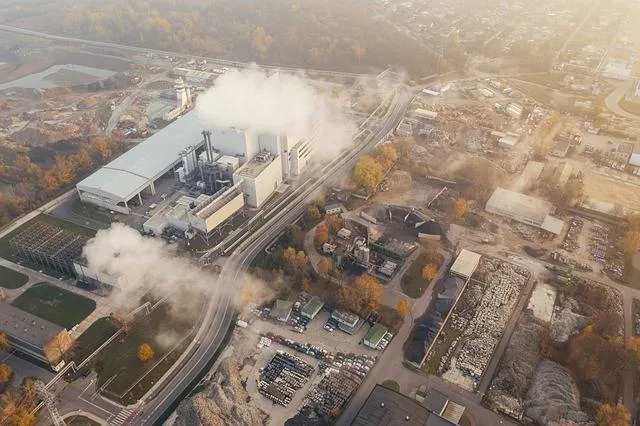
Additionally, composting helps reduce methane emissions from landfills by reducing the amount of organic matter in them. Furthermore, composting helps improve soil fertility and increases water retention in soils, both of which are essential for growing healthy plants.
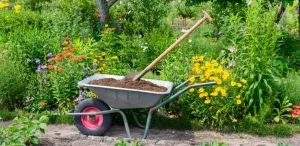
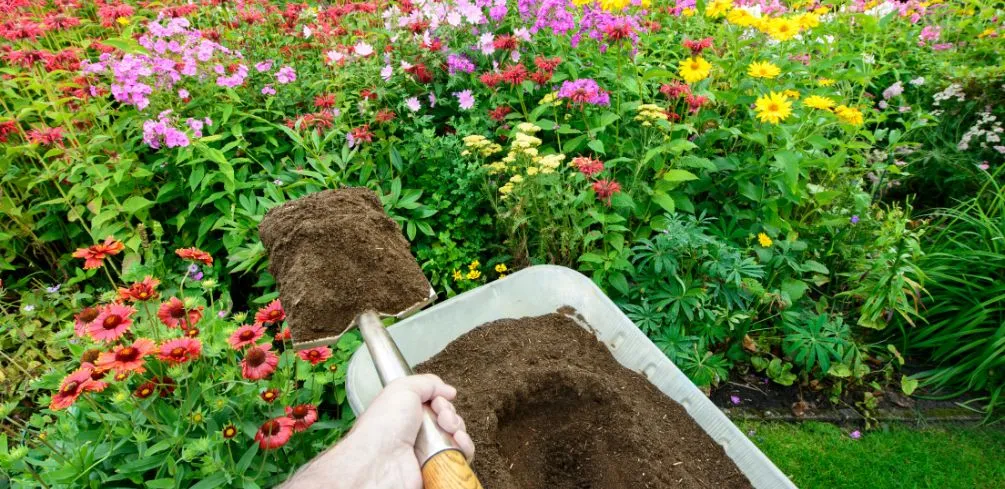
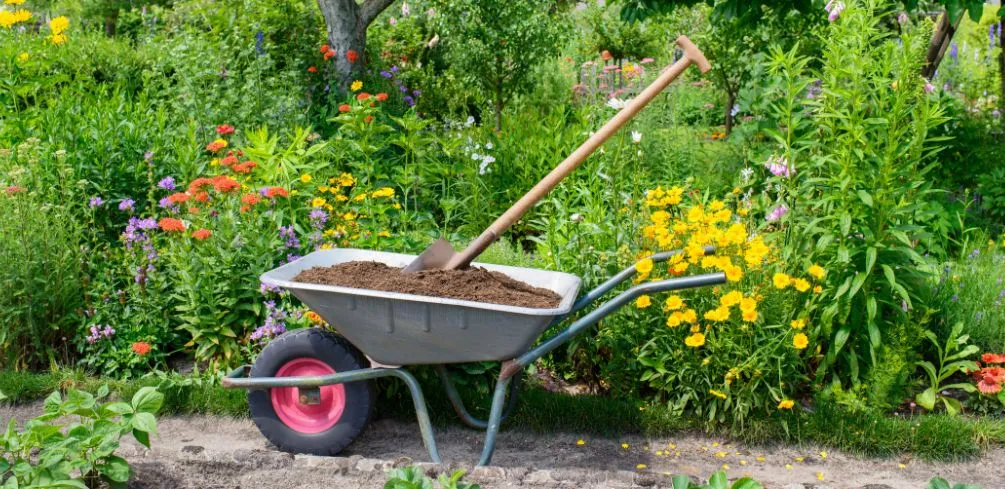
Finally, this article will explore how one can use compost to make a positive impact on the environment. Compost can be used as fertilizer in gardens or added to the soil when planting trees or other vegetation.
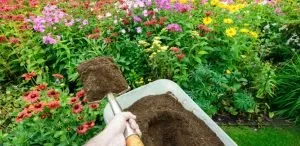
Plus, compost can be mixed with sand or soil and used as mulch around plants or trees. This not only reduces weeds but also provides vital nutrients for plant growth and helps retain moisture in the soil during dry periods.
What Is Composting?
Composting is an important process of breaking down organic matter into a nutrient-rich soil amendment. It is a form of recycling that helps reduce the amount of waste we produce while providing essential nutrients to plants and soils. Composting can be done in both small-scale and large-scale operations, making it perfect for urban and rural areas alike.
To understand composting, it helps to start with its definition. Composting is the controlled decomposition of organic material by microorganisms such as bacteria and fungi, producing a nutrient-rich soil amendment. This process can happen naturally, although it’s often best managed with a variety of components like oxygen supply, moisture levels, temperature control, and carbon-nitrogen ratio.
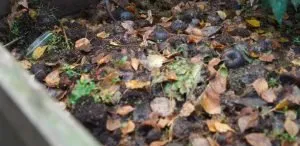
The materials used in composting can vary greatly depending on what is available locally. Common composting materials include leaves, grass clippings, vegetable scraps from kitchens, manure from animals such as cows or chickens, coffee grounds, and eggshells.
These materials are combined in layers in an enclosed container or pile, where they break down over time due to the presence of natural microorganisms. The end product is called compost – a dark brown crumbly material that can be used as fertilizer for plants and gardens or even added directly to soils to improve their structure and fertility.
Composting offers many advantages:
- It reduces waste; produces nutrient-rich soil amendments
- improves water retention in soils; increases microbial activity
- suppresses plant diseases; encourages beneficial insect populations; saves energy by reducing the need for chemical fertilizers
- conserves resources such as water and fossil fuels
- sequesters carbon dioxide from the atmosphere
- reduces greenhouse gas emissions
- Creates jobs in local communities and more.
With these benefits in mind, it’s easy to see why composting has become so popular around the world today.
Benefits Of Composting
Composting offers a number of benefits, both to the environment and to individuals. It is an effective way to reduce waste and improve soil fertility while also sequestering carbon in the soil.
The most obvious benefit of composting is reduced waste. Composting helps individuals avoid sending their organic materials to landfills, which can otherwise take centuries to break down. Instead, composted material can be used as valuable fertilizer in gardens or parks. This helps keep finished products out of landfills while also providing nourishment for plants.
Composting also has a direct effect on soil health. This is due to the presence of organic matter and microorganisms that help with nutrient cycling, water retention, and aeration in the soil. Compost increases the amount of humus in the soil, making it more fertile and productive for growing vegetables or flowers. Additionally, compost increases microbial activity in the soil and provides habitats for beneficial organisms like earthworms and nematodes.
In addition to reducing waste and improving soil fertility, compost also helps sequester carbon dioxide from the atmosphere; this process is known as carbon sequestration.
When organic material decomposes in the environment without oxygen (anaerobic decomposition), it emits methane gas; when composted material decomposes aerobically instead (with oxygen present), it releases much less methane gas into the atmosphere than anaerobic decomposition does. Therefore, composting can help mitigate global warming by keeping greenhouse gases out of our atmosphere.
Composting thus presents a range of environmental benefits that makes it an important activity for anyone looking to reduce their ecological footprint while helping their local gardens or parks become healthier ecosystems with greater biodiversity potential.
How To Create A Compost Pile
Creating a compost pile is a great way to reduce waste and put organic materials to good use. Composting provides numerous benefits for the environment, including reducing greenhouse gas emissions and improving soil fertility. It is also an easy and inexpensive way to make use of organic material that would otherwise end up in the trash. Here are some tips on how to create a compost pile:
- Gather Materials: Start by collecting organic materials such as vegetable scraps, fruit peels, eggshells, coffee grounds, tea bags, paper towels, leaves, grass clippings, or yard trimmings. Avoid adding meat or dairy products to your compost pile as these can attract pests.
- Choose a Location: The ideal location for your compost pile should be flat and in an area with partial shade. Make sure that there is good air circulation around the pile.
- Assemble the Pile: To begin assembling your compost pile, start by layering two parts of brown material (such as dry leaves or wood chips) to one part of green material (such as fresh grass clippings). Add water until the mixture is damp but not soggy. Then mix the ingredients together thoroughly and cover with a layer of soil or straw if desired.
When creating your compost pile, it is important to keep in mind that proper aeration and moisture levels are essential for successful composting. It’s also helpful to regularly turn over the contents of the pile with a pitchfork or shovel every few weeks so oxygen can reach all parts of the mixture and help speed up decomposition.
With these tips, you are well on your way to making high-quality compost for your garden!
Ways To Utilize The Compost
Composting is an effective way to reduce the amount of waste that is sent to landfills and to help the planet. There are numerous ways to utilize compost, ranging from traditional methods to innovative products.
Composting uses include fertilizing gardens, reducing erosion, and adding nutrients to the soil. Compost can be used as an organic fertilizer for a variety of plants, vegetables, and fruits. It adds beneficial microorganisms and nutrients to the soil, which improves its fertility of the soil. Composting can also help in reducing erosion by allowing better water infiltration into the ground.
There are various composting methods available such as hot composting, cold composting, vermicomposting, bokashi composting, and sheet mulching. Each method has its own advantages and disadvantages; it is important to research each type before deciding which one is best for your needs. Additionally, there are many helpful composting tips that can assist in creating a successful compost pile or bin.
The use of compost products can also benefit both gardeners and the environment alike. Compost products include mulch, soil conditioners, potting mixes, and even liquid fertilizer supplements.
These products add additional nutrients to soils while helping reduce waste production and protecting plants from extreme weather conditions such as drought or excessive rain. In addition, they help promote healthy root systems in plants while improving overall plant health and vigor.
By utilizing these various techniques and products related to composting, we can make a positive impact on our environment while improving our own gardens at the same time. With careful research into different types of compost methods and products available today, we can create a sustainable system that will benefit both our environment and ourselves for years to come.
Environmental Impact Of Composting
It may seem counterintuitive that something as simple as composting can have a significant environmental impact, yet it does. Composting has numerous environmental benefits, from reducing waste to cutting our carbon footprint.
Composting is an important tool for reducing the amount of organic waste sent to landfills and incinerators; this helps to reduce greenhouse gas emissions since organic matter breaks down in these conditions and emits methane and carbon dioxide into the atmosphere. Additionally, composting helps to reduce water pollution by preventing hazardous chemicals from entering waterways.
The environmental benefits of composting also extend beyond just reducing waste and pollution. Composted materials help to improve soil health by providing essential nutrients, improving water retention and aeration, and increasing microbial activity in the soil.
This not only makes plants healthier but also reduces the need for chemical fertilizers which can be detrimental to both wildlife and humans. Furthermore, using compost enriches soils with carbon which helps sequester more CO2 from the atmosphere, effectively reducing our carbon footprint.
Composting is a powerful way to make a positive impact on our environment while simultaneously helping us reduce our waste output. Not only does it provide numerous benefits for the planet, but it also encourages people to become more conscious about their consumption habits, leading to a greater sense of sustainability.
Frequently Asked Questions
What Are The Most Common Items That Can Be Composted?
Composting is an efficient and eco-friendly way to reduce the amount of waste that goes into landfills. It involves breaking down organic materials such as food scraps, yard waste, paper products, vegetable peelings, and eggshells into a nutrient-rich soil amendment. Composting these items can help save the planet by reducing the amount of methane gas emissions generated in landfills.
Organic materials are not only beneficial for composting, but they are also important for the health of our environment. When these items break down in a landfill, they produce methane gas which is a potent greenhouse gas that contributes to global warming. By composting these materials instead of throwing them away, we can avoid this environmental issue.
Composting can also be used to improve soil fertility. The resulting nutrient-rich soil amendment helps plants grow faster and more efficiently while also improving water retention in soils that are prone to drying out quickly.
Additionally, it reduces the need for chemical fertilizers and pesticides, which can have negative effects on both human health and the environment. Furthermore, composting creates a valuable resource for gardeners and farmers who may not have access to other sources of organic matter or fertilizer.
Composting is an effective way to reduce landfill waste while simultaneously improving soil fertility and preserving the environment for future generations. It is an eco-friendly habit that has numerous benefits for both people and nature alike.
Is Composting Suitable For All Climates?
Composting is a process of breaking down organic material and has become increasingly popular over the years due to its environmental benefits. While composting can be beneficial in many climates, the suitability of composting in different climates is an important factor to consider. Temperature is one key factor that can affect the suitability of composting in different climates, as it dictates how quickly materials break down.
Composting thrives best in warm temperatures, between 40-140°F (4-60°C). When temperatures drop below 40°F (-4°C) or exceed 140°F (60°C), it can slow down the composting process significantly. In cold climates, such as northern Europe, Canada, and parts of the United States, winter temperatures often fall below this range for extended periods of time and make it difficult to maintain a successful compost pile during winter months.
In addition to temperature, the availability of water and the type of materials used for composting are also factors that influence its suitability in different climates. Compost requires a balanced ratio of carbon-rich materials such as leaves, sawdust, and paper and nitrogen-rich materials such as grass clippings and food scraps in order to break down efficiently.
Areas with drought conditions may not have enough moisture available for efficient composting without additional water sources. Meanwhile, areas with heavy rainfall may require larger containers or more aeration to prevent too much moisture from collecting on the surface of the compost pile.
Overall, climate suitability is an important factor when considering if composting is suitable for your area. The temperature range for successful decomposition, coupled with other climatic factors such as water availability, can determine whether or not you will be able to maintain a successful compost pile year-round.
How Long Does It Take For Compost To Become Usable?
Composting is a process that is becoming more and more popular amongst those looking to help the planet. It has been estimated that over 50% of household waste can be composted, making it an incredibly powerful tool for reducing our environmental footprint. However, one key question many people have when considering composting is: how long does it take for compost to become usable?
The answer to this question depends largely on the environment in which the compost is created. Generally speaking, composting times range from as little as two weeks in hotter climates up to a year or more in colder ones.
During this time, the organic matter within the compost breaks down into humus, with important nutrients being released back into the soil. This process is known as ‘compost development,’ and it is vital for providing essential nutrients to plants and allowing them to grow healthily.
In addition to climate conditions affecting composting time, there are also a number of other factors that can influence it. These include factors such as airflow, moisture levels, and the size of particles added to the pile.
All of these elements play an important role in determining how quickly compost matures and becomes ready for use. As such, research should be conducted beforehand in order to better understand what conditions will lead to optimal compost maturity.
Composting can be an incredibly effective way of reducing waste and helping support healthy plant growth. By understanding how long the process takes in different climates and taking into account other factors, such as airflow and moisture levels, we can ensure that our efforts are rewarded with successful results.
How Much Compost Should I Add To My Garden?
Composting is an important part of gardening, as it can provide essential nutrients to the soil and help plants thrive. Knowing how much compost to add to your garden is essential for successful gardening. It is important to understand the benefits of composting and how to use it in order to achieve optimal results.
When deciding on the amount of compost to use in your garden, there are a few tips that can help you get started. Firstly, it is important to remember that too much compost can be detrimental – more is not always better.
When adding compost, aim for a ratio of about one-third compost to two-thirds garden soil. This ensures that the soil will remain healthy and balanced with the right amount of nutrition for your plants. Additionally, if you are starting a new garden bed from scratch, consider mixing five parts of garden soil with one part of compost before planting.
It is also important to consider the type of compost you are using when determining how much should be added. Different types of organic matter decompose at different rates; therefore, they will have varying effects on the soil depending on their composition.
For example, leaf mulch takes longer than manure or grass clippings to break down into usable nutrients for plants and will thus require less quantity than other types of compost in order for it to be effective.
Ultimately, understanding the benefits and proper usage of compost can make a huge difference in producing a healthy and flourishing garden environment. Compost adds valuable nutrients such as nitrogen and phosphorus, which promote plant growth and improve overall soil quality significantly over time.
By taking into account these factors when deciding on an appropriate amount of compost for your garden, you can ensure that your plants receive all the vital nutrients they need without any adverse effects from excessive amounts of organic matter in the soil.
Are There Any Health And Safety Risks Associated With Composting?
Composting has become increasingly popular in recent years, especially with the growing awareness of its environmental benefits. But as with any activity, there are potential health and safety risks associated with composting. This paper will explore the various composting safety and health risks, as well as potential hazards to be aware of when composting.
The most common compost safety risk is contact dermatitis, which can occur after touching certain plants or animal products that are used to create compost. Other possible risks include contamination of crops and soil due to the presence of toxic chemicals in some organic materials and the spread of plant diseases caused by improper handling or storage of compost.
To avoid these health risks, it is important to use only approved organic materials in composting and practice safe handling techniques. Additionally, gloves should be worn at all times when dealing with composted material.
In addition to health risks, there are also other potential hazards associated with composting that should be taken into consideration. These include fire hazards from combustible materials such as newspapers or dried leaves, as well as pest infestations if proper sanitation techniques are not followed. It is also important to ensure that all containers used for storing or transporting compost are properly sealed to prevent leaks or spills from occurring.
While it is important to take appropriate precautions when engaging in any activity related to composting, it can still be a rewarding experience with many benefits for both people and the environment alike. By following safe practices and understanding the inherent risks involved, you can enjoy a successful composting experience without putting yourself or others in danger.
Conclusion
Composting is a simple and effective way to reduce the amount of waste that is sent to landfills. The process of breaking down organic materials into nutrient-rich fertilizers can help contribute to the health of the soil, plants, and, ultimately, the planet.
Composting is an easy practice that anyone can do; it does not require any special skills or technology, just a bit of patience. Composting can be done in almost any climate with items such as food scraps, yard clippings, straws, paper scraps, and more. It typically takes several weeks for organic materials to decompose into usable compost; however, with proper aeration and moisture content, this process can be accelerated.
Adding compost to your garden helps to improve soil fertility and retain moisture while providing essential nutrients for your plants. While composting is generally considered safe, there are some potential health risks associated with it, such as bacteria growth and pests like rats or insects that may be attracted to compost piles.
Composting is essential for preserving the environment by reducing landfill waste while providing a natural alternative for fertilizing gardens. By using natural resources, we can create an eco-friendly solution that will help us take better care of our planet while also providing healthy alternatives for our gardens and landscapes. Composting is a simple yet powerful tool that anyone can use to make a positive difference in their community and on the planet as a whole.