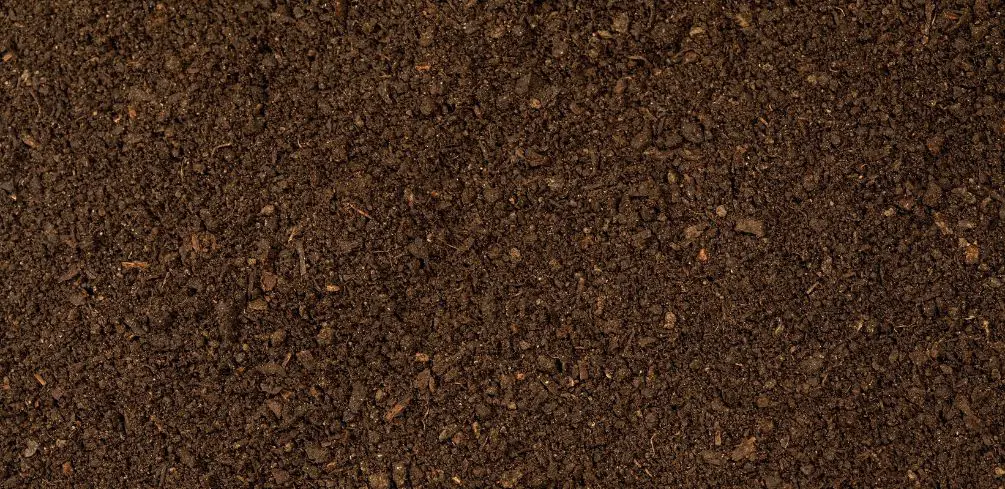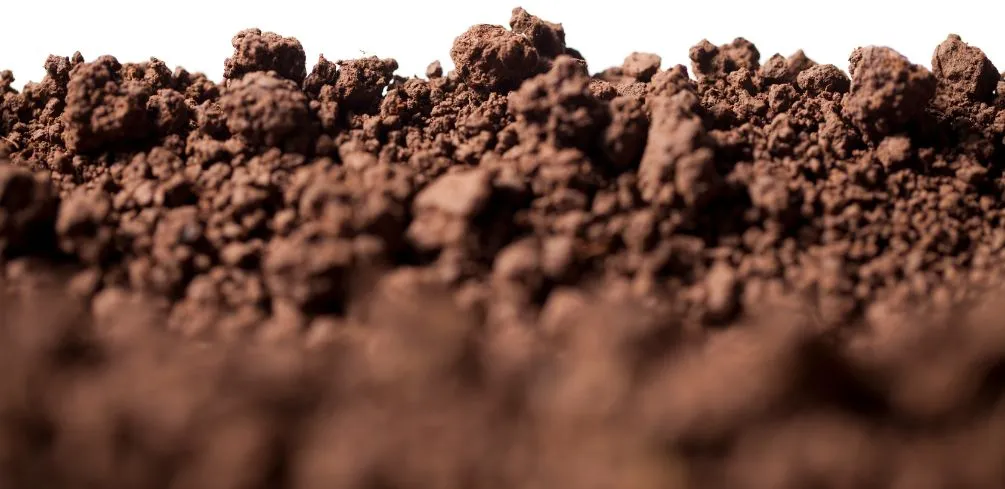
Soil is the foundation of all life on earth, and its health is directly correlated to the quality of food we consume. To maintain soil fertility, it is imperative to add organic matter or amendments that enhance soil structure, texture, and nutrient availability.
However, with a plethora of options available in the market, choosing the right amendment can be overwhelming. In this article, we will explore some of the best amendments for dirt that can help you achieve a thriving garden or farm.
The ideal soil amendment should have a balanced composition of nutrients and minerals that promote healthy plant growth while improving soil structure and water retention capacity. Some excellent examples of organic amendments include compost, manure, cover crops, green manure, and biochar.
These materials are rich in essential plant nutrients like nitrogen (N), phosphorus (P), potassium (K), calcium (Ca), magnesium (Mg), and sulfur (S). Moreover, they contain beneficial microorganisms like bacteria and fungi that aid in breaking down complex organic matter into simpler forms that plants can absorb easily.
By incorporating these amendments into your soil regimen, you can transform your dirt into fertile ground for growing strong and healthy plants.
Compost – A Rich Source Of Nutrients
Composting is the process of breaking down organic matter into a nutrient-rich soil amendment that can be used to enrich garden soil. The benefits of composting are numerous, including reducing waste in landfills, improving soil structure and fertility, and reducing erosion.
Composting also helps to reduce greenhouse gas emissions by diverting waste from landfills, where it decomposes anaerobically and produces methane. There are different types of compost that can be used for different purposes.
Vermicompost, which is made from worm castings, is high in nutrients and ideal for use in potting mixes or as a top dressing for plants. Animal manure compost is another popular type of compost that is rich in nitrogen and can be used to fertilize vegetables or other crops.
However, it should be noted that animal manure compost can contain harmful pathogens if not properly handled. Overall, composting offers many benefits for gardeners who want to improve the health of their soil and reduce waste.
Manure – A Natural Fertilizer
Compost is an excellent source of nutrients for plants. However, it may not always be the best option for certain types of soil or crops. In such cases, manure can be a great alternative.
Benefits and drawbacks:
Manure has several benefits as a fertilizer. It contains essential nutrients like nitrogen, phosphorus, and potassium that plants need to thrive. Moreover, it improves soil structure and water retention capacity.
However, there are some drawbacks to using manure as well. It can have a strong odor and attract flies and other pests. Additionally, if not stored properly or applied correctly, it can lead to water pollution.
Types and uses of manure as a fertilizer:
There are several types of manure available depending on the animal source used. Cow, horse, chicken, pig manure are some common types of manure used in agriculture. Each type has different nutrient content and application methods.
For example, cow manure is high in nitrogen content but low in phosphorus, while chicken manure is high in both nitrogen and phosphorus content. Manure can be used as a side dressing or top dressing for vegetables and fruits or mixed with soil before planting seeds.
While compost is an effective way to add nutrients to your garden soil, there are times when manure may be more appropriate due to its unique benefits as a fertilizer.
By understanding the different types of manures available and their advantages and disadvantages, you can make an informed decision about whether this natural fertilizer is right for your garden needs.
Cover Crops And Green Manure – Building Soil Health
One of the best ways to improve soil health is through the use of cover crops and green manure. Cover crops are plants grown specifically to protect and enrich the soil, while green manure refers to crops that are grown for the purpose of being tilled back into the soil to improve its fertility.
Both practices have been used for centuries by farmers around the world, and they continue to be popular because of their effectiveness in enhancing soil health.
Crop rotation is an essential component of using cover crops and green manure effectively. By rotating crops, farmers can avoid depleting the soil of specific nutrients, which can lead to poor yields over time.
Additionally, certain cover crops, such as legumes, can fix nitrogen in the soil, reducing or eliminating the need for synthetic fertilizers. By incorporating cover crops and green manure into their farming practices, farmers can build up organic matter in their soils, improve nutrient cycling, prevent erosion, control weeds, and reduce pest populations naturally.
As a result, not only do these practices benefit farmers economically by increasing crop yields and reducing expenses associated with chemical inputs, but they also promote environmental sustainability by reducing agriculture’s impact on the environment.
| Benefit | Example | Emotion |
|---|---|---|
| Reduced Soil Erosion | Prevents topsoil loss due to wind or water erosion | Security |
| Enhanced Soil Fertility | Improved nutrient uptake leading to higher crop yields | Prosperity |
| Reduced Dependence on Chemical Inputs | Less reliance on synthetic fertilizers reduces input costs | Satisfaction |
By incorporating cover crops and green manure into their farming practices through crop rotation techniques that take advantage of nitrogen fixation properties present in legumes, farmers can reap a host of benefits that enhance both their economic well-being as well as contribute positively towards environmental sustainability.
These practices also provide consumers with healthy food choices that are produced through sustainable and environmentally friendly farming methods. As such, it is crucial for farmers to embrace and integrate these practices into their farming practices to ensure long-term prosperity and security in the face of an ever-changing climate.
Biochar – Enhancing Soil Fertility And Water Retention
Biochar, a type of charcoal produced from organic material, has been gaining attention as a sustainable and effective solution for enhancing soil fertility and water retention. The use of biochar in agriculture is not new, as ancient civilizations have utilized it to improve their soils.
However, recent studies have shown that biochar can also be used for carbon sequestration and soil remediation, making it a promising tool for mitigating climate change.
There are several benefits of using biochar in soil management. First, biochar improves soil fertility by acting as a slow-release fertilizer that provides essential nutrients such as nitrogen, phosphorus, and potassium.
Second, it enhances water retention by increasing the porosity of the soil and improving its ability to hold water.
Lastly, biochar can serve as an effective filter for water purification due to its high surface area and adsorption capacity. These properties make biochar a valuable tool not only for agriculture but also for environmental remediation projects such as stormwater management systems.
Choosing The Right Amendment For Your Soil Needs
Soil amendments are a crucial aspect of soil management for gardeners, farmers, and landscapers alike. They are used to improve the physical and chemical characteristics of soil, which in turn enhances plant growth and nutrient uptake. However, selecting the right amendment can be challenging, given that different soils have varying needs.
Soil testing is an essential step in determining which amendment is suitable for your soil. Soil testing involves analyzing the composition of the soil to determine its pH levels, nutrient content, and organic matter. This information helps identify any deficiencies or excesses in nutrients and allows you to choose the appropriate amendment to address those issues.
Organic amendments such as compost, manure, and leaf mold are derived from plants or animals and are considered more sustainable than synthetic options. Synthetic amendments like fertilizers may provide quick-fix solutions but can harm the environment in the long run by contaminating groundwater or harming beneficial organisms in soil ecosystems.
By understanding your soil’s needs through proper testing, you can make an informed decision about whether to use organic or synthetic amendments for optimal results. Choosing the right amendment for your soil needs is vital to promote healthy plant growth while preserving environmental sustainability.
It is recommended to consider more sustainable organic options when possible. Through careful consideration and analysis of your soil’s needs, you can make informed decisions that ultimately benefit both your plants and our planet’s health.
Frequently Asked Questions
What Is The Best Amendment For Clay Soil?
Clay soil is often a challenge for gardeners, but there are ways to improve its quality. Gypsum application is one of the best amendments for clay soil. It helps break up the soil structure, allowing better water drainage and aeration.
In addition to gypsum, vermicomposting benefits are also worth considering. Vermicomposting involves using worms to convert organic waste into compost that can be added to the soil. This method improves soil texture and nutrient content, making it easier for plants to thrive.
Overall, combining gypsum application with vermicomposting can significantly enhance the quality of clay soil, providing a healthy growing environment for plants.
Can I Use Coffee Grounds As A Soil Amendment?
Coffee grounds offer numerous benefits as a soil amendment, making them an attractive option for gardeners. Not only do they add organic matter to the soil, but they also contain valuable nutrients such as nitrogen and potassium.
However, it is important to note that coffee grounds should not be used in large quantities or applied directly to the soil as they can be acidic and potentially harm plants. Instead, they should be mixed into composting techniques or used sparingly as a top dressing.
By incorporating coffee grounds into their gardening practices, individuals can improve soil health and promote healthy plant growth.
How Often Should I Apply Compost To My Garden?
Composting frequency plays a significant role in the nutrient absorption of plants. It is recommended to apply compost to garden soil at least once or twice annually during the spring or fall seasons.
This practice provides a steady supply of nutrients and helps retain moisture in the soil. However, the over-application of compost may lead to excessive nutrient levels in the soil, which can harm plant growth.
Therefore, it is essential to strike a balance between composting frequency and quantity for optimal results. Regularly applying compost to garden soil can enhance its fertility and ultimately lead to healthier plants with better yields.
Is It Safe To Use Human Waste As A Fertilizer?
The idea of using human waste as a fertilizer may sound intriguing due to its perceived benefits, such as being readily available and cost-effective. However, it is important to consider the potential risks associated with this practice.
Human waste can contain harmful pathogens and toxins that can pose health risks to both humans and plants. Despite the possibility of treating human waste to mitigate these risks, caution should still be exercised when considering its use as a fertilizer.
It is crucial to conduct thorough research and follow best practices before implementing any new soil amendment technique.
Can I Use Wood Ash As A Soil Amendment?
Wood ash is a common soil amendment used to improve soil quality. It contains essential nutrients such as potassium, calcium, and magnesium that are beneficial for plant growth.
However, using wood ash as a soil amendment has its drawbacks. One of the main concerns is the potential risk of increasing the pH level in the soil, making it less acidic and suitable for certain plants. Additionally, wood ash may contain heavy metals and other toxins that can harm plants and wildlife if not properly filtered during production.
Alternatives to wood ash for improving soil quality include other organic materials, such as compost or animal manure, that provide similar nutrients without the risk of altering the pH level excessively.
Overall, while wood ash offers benefits as a soil amendment, it is important to weigh its potential drawbacks against alternative options before deciding to use it on your garden or farm.
Conclusion
When it comes to gardening, soil amendments are essential for healthy plant growth. Clay soil can be improved by adding organic matter such as compost or aged manure.
Coffee grounds can also be added to the soil to provide nitrogen and other nutrients. It is important to apply compost regularly, at least once a year, to keep your garden soil healthy and fertile.
While human waste can be used as a fertilizer, it is essential to follow proper sanitation protocols to avoid contamination. Wood ash can also be used as a soil amendment but should be applied sparingly due to its high alkaline content.
In conclusion, the best amendments for dirt depend on the type of soil and the needs of your plants. Just like baking a cake requires the right ingredients in the right amounts, gardening requires careful consideration of the right amendments for optimal plant growth.
With patience and diligence, you can turn dirt into a nutrient-rich foundation for beautiful gardens that bloom with life.