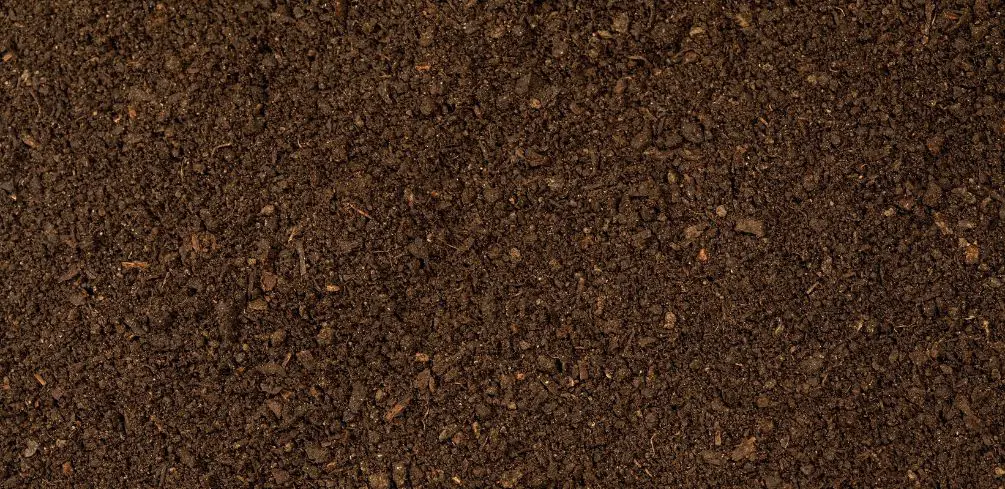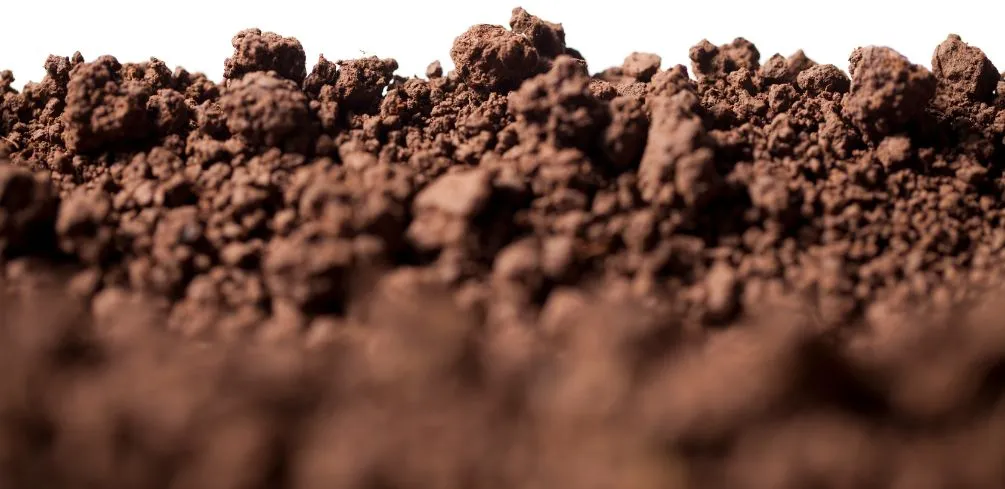
Organic dirt amendments have become increasingly popular among gardeners and farmers alike. The use of organic matter to improve soil fertility is not a new practice, but it has gained more attention in recent years due to the negative effects of chemical fertilizers on the environment and human health.
Organic dirt amendments can provide numerous benefits to the soil, including increased nutrient availability, improved water retention, and enhanced microbial activity.
The use of organic dirt amendments also aligns with the principles of sustainable agriculture and environmental stewardship. By improving soil health through natural means, farmers can reduce their reliance on synthetic inputs while promoting long-term soil fertility.
Gardeners can also benefit from using organic dirt amendments in their home gardens, as they can produce healthier plants and vegetables that are free from harmful chemicals.
In this article, we will explore the various types of organic dirt amendments available and how they can be used to improve soil quality for a more sustainable future.
Benefits Of Using Organic Matter In Soil
The use of organic matter in soil has numerous benefits that can enhance plant growth and overall soil health.
One of the primary advantages is improved soil structure. Organic matter serves as a binding agent, helping to create larger soil aggregates that are more porous and able to hold water and nutrients more effectively.
This can ultimately lead to better root development, increased yield, and improved crop quality.
Composting methods are one way to incorporate organic matter into the soil. Composting involves breaking down organic material such as food waste, yard clippings, or animal manure into a rich, nutrient-dense substance that can be added to the soil.
Other methods include mulching and cover cropping. Regardless of the method used, incorporating organic matter into the soil can lead to numerous benefits for both plant growth and long-term soil health.
Types Of Organic Dirt Amendments
Organic dirt amendments are an essential component of sustainable agriculture practices. They are a source of nutrients, enhance soil structure, and improve soil fertility. There are various types of organic dirt amendments available in the market that cater to different soil types and crops.
Composting methods are one common source of organic matter used for amending soil. Composting is a process by which organic matter is decomposed into a stable humus-rich material that can be added to the soil as an amendment.
The composting process involves the breakdown of organic materials like yard waste, food scraps, and other biodegradable materials by microorganisms such as bacteria and fungi. The resulting compost is rich in nutrients like nitrogen, phosphorus, and potassium, making it an excellent source of fertilizer for plants.
Another common source of organic matter used for soil amendment is animal manure. Manure from animals like cows, horses, pigs, and chickens is rich in nitrogen and other essential nutrients required for plant growth. However, care must be taken when using manure as it may contain pathogens that can cause human health hazards or result in environmental pollution if not handled correctly.
In summary, there are various types of organic dirt amendments available, with composting methods being one common source of organic matter that enriches the soil with necessary nutrients. Animal manure also provides a nutrient-rich option but requires proper handling due to potential health risks if not appropriately managed.
Improving Nutrient Availability
The importance of improving nutrient availability cannot be overstated when it comes to organic dirt amendments. The success of any organic gardening endeavor hinges on the availability of essential nutrients in the soil.
However, this can often be a challenge for gardeners due to factors such as nutrient depletion, soil acidity or alkalinity, and poor soil structure. As such, it is critical to adopt strategies aimed at maximizing nutrient availability.
One key strategy for improving nutrient availability is through composting methods. Composting involves breaking down organic matter into rich, dark humus that is loaded with nutrients vital for plant growth and development. When properly done, composting enhances the soil’s structure and fertility while also promoting beneficial microbial life that supports nutrient cycling.
This method not only improves the health of the soil but also reduces waste by providing an eco-friendly solution to disposing of organic waste. Overall, composting represents one of the most effective ways of enhancing nutrient availability in organic gardening.
By adopting composting methods and other strategies aimed at maximizing nutrient availability, like nutrient cycling, gardeners can significantly improve their chances of achieving thriving plants and gardens. By doing so, they reap more than just aesthetic rewards but also contribute positively to environmental conservation efforts by reducing waste and promoting sustainable agricultural practices.
Enhancing Soil Microbial Activity
Improving nutrient availability in soil is crucial for maintaining and enhancing plant growth. However, nutrient availability alone cannot guarantee healthy and productive soil.
Soil microbial activity plays an essential role in maintaining soil health by breaking down organic matter, cycling nutrients, and suppressing pathogens. Therefore, it is equally important to enhance the microbial diversity and activity in the soil.
One way to achieve this is by incorporating organic dirt amendments such as compost tea applications. Compost tea is a liquid extract made from compost that contains high levels of beneficial microorganisms such as bacteria, fungi, protozoa, and nematodes.
These microorganisms help break down organic matter in the soil, release nutrients that are bound to other compounds, and create a healthy environment for plants to grow. Additionally, compost tea applications can increase the microbial diversity in the soil by introducing new species of microorganisms that may not be present naturally or are present at low levels.
Overall, enhancing soil microbial activity through organic dirt amendments like compost tea applications can lead to improved plant growth and health while promoting a sustainable agricultural system that fosters biodiversity and environmental conservation efforts.
Promoting Sustainable Agriculture And Environmental Stewardship
As we continue to explore ways to promote sustainable agriculture and environmental stewardship, one crucial aspect is the use of organic dirt amendments. These amendments include materials such as compost, manure, and other natural substances that improve soil health and fertility while reducing the need for chemical fertilizers.
Community involvement is essential in promoting sustainable agriculture through the use of organic dirt amendments. By educating and involving local farmers, gardeners, and community members in the process of creating and using these amendments, we can create a more sustainable food system that benefits both individuals and the environment.
This approach also has a positive economic impact by reducing dependence on expensive chemical fertilizers while supporting local businesses that produce organic amendments.
In summary, promoting sustainable agriculture through organic dirt amendments is a vital step toward creating healthier communities and a more sustainable future.
- Using organic dirt amendments reduces the need for harmful chemical fertilizers.
- Community involvement is crucial in promoting sustainable agriculture through organic dirt amendments.
- The economic impact of using organic dirt amendments includes reduced dependence on costly chemical fertilizers while supporting local businesses that produce organic alternatives.
Frequently Asked Questions
How Do I Determine What Type Of Organic Dirt Amendment Is Best?
To determine the best organic dirt amendment for your soil type and plants, it is crucial to conduct a soil test to identify the nutrient requirements of your soil. Soil testing provides valuable information on the pH level, nutrient content, and texture of your soil, which helps in determining the appropriate organic amendments needed to improve its quality.
The type of plant you intend to grow also plays a significant role in selecting the right organic dirt amendment. Different plants require specific nutrients at different stages of growth, and understanding their needs can help you select an amendment that will provide those nutrients.
Thus, before choosing an organic dirt amendment, ensure that you understand your soil’s nutrient deficiencies and the nutrient requirements of your plants.
Can I Use Organic Matter From My Own Compost Pile As A Dirt Amendment?
Choosing between DIY composting and commercial options for organic dirt amendments is a common dilemma among gardeners. While the former provides an opportunity to repurpose kitchen scraps and yard waste, the latter offers convenience and standardized quality.
Like comparing apples to oranges, each option has its unique benefits and drawbacks that must be weighed based on individual needs and preferences. Ultimately, it boils down to personal values such as sustainability, affordability, and time efficiency.
Regardless of the choice made, it is important to remember that both options contribute to a healthy soil ecosystem that fosters plant growth and nourishment.
How Often Should I Apply Organic Dirt Amendments To My Soil?
The frequency of applying organic matter to soil depends on various factors such as the type of soil, weather conditions, and the purpose of the application. Generally, it is recommended to apply organic amendments at least once a year in order to maintain soil health and fertility.
Benefits of using organic matter include improved soil structure, increased water-holding capacity, enhanced nutrient availability, and microbial activity. Organic amendments can also help to suppress diseases and pests while reducing erosion and runoff.
Regular application of organic matter can lead to long-term benefits for both plant growth and environmental sustainability.
Are There Any Negative Risks Associated With Using Organic Dirt Amendments?
The use of organic soil amendments has been widely popularized in recent years due to their numerous benefits, such as improving soil fertility and increasing yields. However, it is important to acknowledge that there are also potential risks associated with their use.
These risks may include introducing harmful pathogens, toxins, or heavy metals into the soil, which can negatively impact plant growth and health.
It is, therefore, crucial for farmers and gardeners to carefully consider the source and composition of the organic amendments they use in order to minimize any potential negative side effects on the environment and human health.
Can I Use Organic Dirt Amendments With Chemical Fertilizers?
When it comes to combining fertilizers and organic amendments, there are a few things to consider. While some gardeners prefer to stick to one or the other, there can be benefits to using both.
Organic amendments can help improve soil structure and increase microbial activity, while chemical fertilizers can provide specific nutrients that may be lacking in the soil. However, it is important to use chemical fertilizers sparingly and according to instructions, as overuse can lead to nutrient imbalances and harm beneficial organisms in the soil.
Ultimately, the decision of whether or not to combine fertilizers and organic amendments will depend on the specific needs of your plants and soil.
Conclusion
Determining the best organic dirt amendment for your specific soil type and plants is crucial to maintaining a healthy garden. Factors such as soil pH, nutrient deficiencies, and plant requirements all play a role in selecting the appropriate amendment.
Composting from your own pile can be a great option, but it’s important to ensure that it’s fully decomposed before use. Pre-made products are also available and can provide a convenient solution for those without access to their own compost.
Applying organic dirt amendments on a regular basis can improve soil health and fertility over time. However, it’s important to avoid over-application as this can lead to nutrient imbalances or even harm plants.
While there are no significant negative side effects associated with using organic matter in your garden, it’s important to take precautions when handling manure-based products due to potential pathogens.
In conclusion, selecting an appropriate organic dirt amendment based on your soil type and plant needs is essential for maintaining a healthy garden ecosystem. Regular application of organic matter can provide numerous benefits without any significant risks when used responsibly.
Whether using pre-made products or composting from your own pile, taking care to apply amendments correctly will help you achieve optimal results in your garden.