Dirt grading is the process of leveling a surface. It is necessary to transport dirt from higher elevations to lower elevations in order to produce a nice, flat surface that will act as the basis for your scheme. If you’re grading dirt, it is possible that you will need to move additional material from another location to complete the work.
Dirt can be graded in either a flat or a sloped fashion. As an example, if you’re planning to create a stone walkway, you’ll probably want a nice flat surface to put the stone on before you begin.
Alternatively, if you wish to divert rainwater away from your home, you should grade the ground on a slope that flows down and away from your house.
Different Types of Dirt Grading
There are differences between each piece of dirt in terms of natural grading, soil composition, and vegetation. Furthermore, each person has a unique set of requirements for their dirt.
So there are various distinct forms of dirt grading to choose from.
Drainage and Sewerage Solutions
Drainage is a key component of every dirt grading project. And it can be performed by grading the dirt on a slope to flow water downward and into a stream or runoff or by burying drainage pipes in the ground to carry water away from the site.
The likelihood is that if you’ve ever witnessed dirt grading workers digging up mounds of earth from someone’s front yard, it was because the homeowner needed drainage solutions. Occasionally, a drainage system can be so severe that it necessitates the replacement of the entire system.
Property owners are expected to contact a professional; this is not a project that can be completed by anyone who is willing to learn on the job.
Residential and commercial properties benefit from this type of dirt grading since it meets their specific demands and requirements.
Drainage solutions are installed to better regulate the quantity of water that flows into and out of a property, into the landscaping, gardens, lawns, and into and out of basements and into foundations, among other things.
Excavation for Earthwork
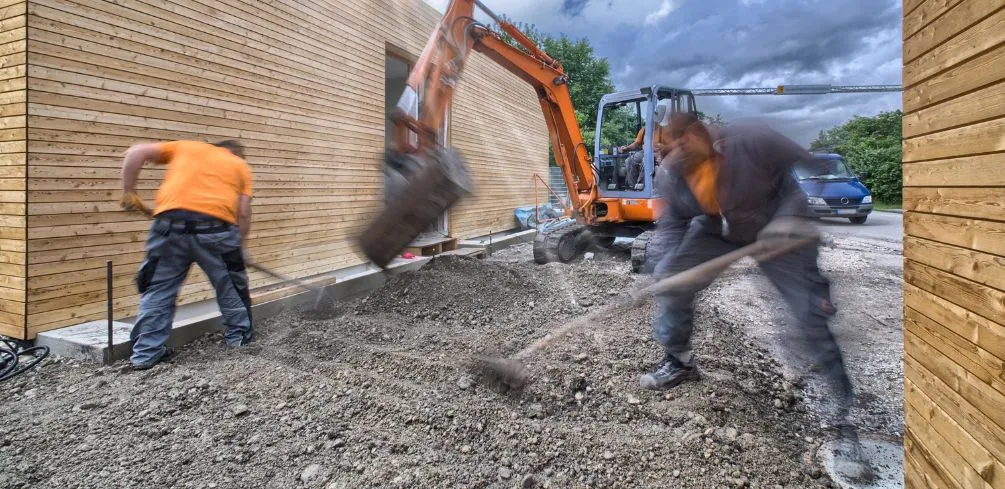
Getting the correct grade can often entail creating a void rather than filling one in. Excavating is the process of digging down to produce a low-lying area, such as for a structure’s foundation.
Many people are familiar with the term “dirt grading” when it comes to earthwork excavation. Transportation of massive pieces of earth or rock or other materials with the aid of specialized instruments, or even with the use of explosives, is what this procedure is all about.
When the rock is extremely compact and cannot be easily broken down, explosives are frequently utilized to break it up.
Excavation will frequently necessitate trenching, the dirt grading of wall shafts, the dirt grading of tunnels, and any other underground work.
Building foundations, reservoirs, and roadways are commonly constructed using this kind of dirt grading. In contrast to the procedure of topsoil installation, dirt grading may necessitate the digging of a hole at times.
When constructing foundations for future structures and roadways in low-lying locations, it is necessary to dig down as far as possible.
Surface Smoothing
Surface Smoothing is a term used to describe the process of smoothing a surface. Even a bit of soil that appears to be flat is not flat.
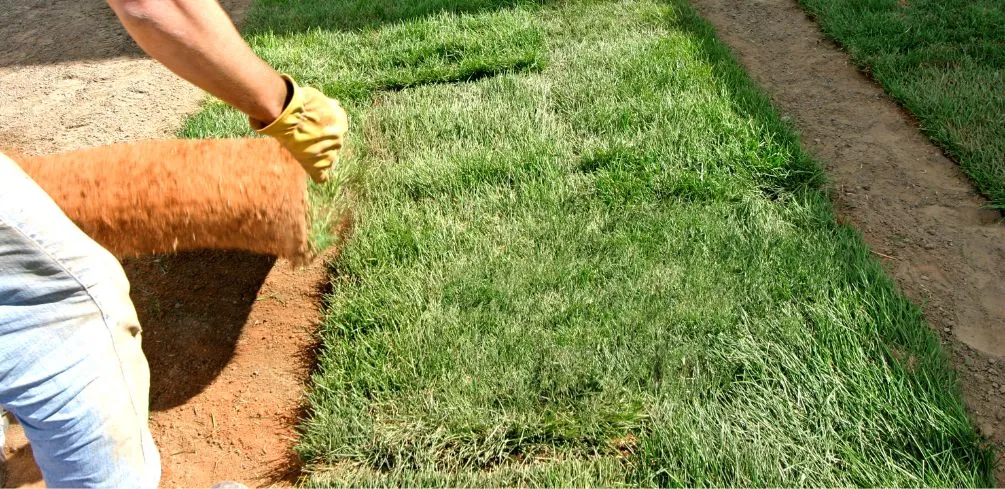
On the other hand, proper surface smoothing can ensure that your landscaping project starts with a clean slate.
There is no such thing as a perfectly level piece of soil, and that is perfectly OK. In the same way that earthwork excavation is considered while building roads and huge structures, surface smoothing is considered when dirt grading workers are constructing them.
Home dirt grading workers and the earth prepped for strip malls are two examples of where smoothing can be observed.
A good and flat surface is the most effective approach to ensure that a landscaping project has a blank canvas to work with from the beginning to the project’s finish. Smoothing can help to prevent a variety of issues with infrastructure and the leveling of a building.
Additional surface smoothing approximation methods are utilized for estimating and performing pit excavation volumes, in addition to the methods described above.
Surface smoothing is crucial in this type of soil grading since it tests accuracy and the ease with which volume computations can be performed.
Incorporation Of Topsoil
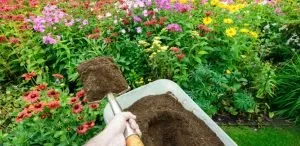
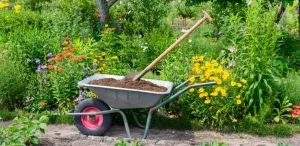
When there isn’t enough dirt in the immediate region to grade it properly, it may be required to bring in some topsoil to make up for the lack of available dirt.
It is also beneficial for providing a foundation of healthy soil for plants to grow on. It is generally more aesthetically beautiful than the dirt currently in the ground.
The installation of topsoil is most frequently employed in residential settings and dirt grading projects. It is common for property owners to apply topsoil on their own, but it is not recommended because it can be difficult to assess how much topsoil is required.
When there isn’t a sufficient amount of dirt in the immediate area to grade the dirt as needed, this strategy is crucial to consider.
Topsoil is an excellent supplement in these situations because of its density and capacity to adapt to different types of earth. Topsoil is particularly beneficial because it serves as a foundation for healthy soil, which allows plants to thrive.
As a final decoration, some people like to utilize topsoil rather than the provided dirt for aesthetic reasons rather than the provided dirt.
Dirt Grading Equipment
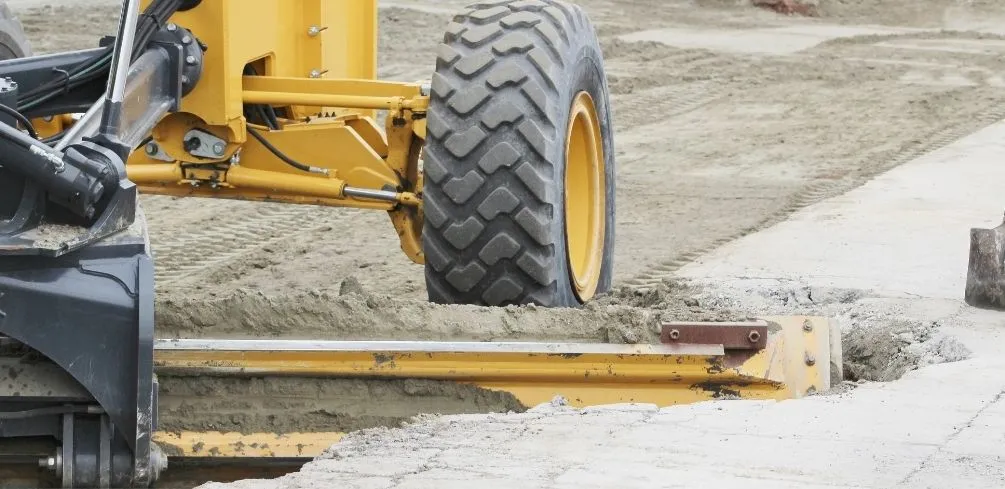
The ability to move and transport things from the soil as easily as we do would be impossible without the use of huge tools and mechanical expertise. The use of huge machines to grade dirt is one of the most popular grading methods in the world.
One of the most versatile pieces of machinery available, a Bobcat can scoop and move dirt and then use a separate attachment to flatten and smooth off the newly created surface.
Conclusion
Dirt grading means sorting out dirt and leveling it to make a place beautiful. Multifunctional machines can be used to grade dirt.
Following the collection of dirt, the machines are put to use to flatten and smooth a surface undergoing grading work. Next, learn how old dirt really is!