- Determine your low and high points
- Establish your level grade line
- Move and toss the dirt downhill
- Smooth the dirt
- Pank the dirt down; you want to make sure that the dirt is as level and compacted as possible
- Use mulch or grass seed to prevent erosion
Dirt can be a nuisance if it piles up around your house. It can cause water to pool, weeds to grow, and even provide places for pests like insects or rodents to nest.
One way of keeping dirt away from the house is by grading it away with landscaping techniques. In this post, we will go over some tips for grading dirt away from the house.
Grade Dirt Away from the House: A Guide
If you are new to this, first read more about what dirt grading is.
Determine your low and high points
This is the first step to properly grade dirt away from your house. You need to determine where the high points are and where the low points are.
You are going to move the dirt to the low points so they are at the same height as the soil around your house.
Establish your level grade line
To do this, you are going to need some items including a nylon string, some ground stakes, and a line level. Once you have these items, you can begin to establish your grade line.
Note that you will need to establish the run and rise you will require. The run is the horizontal distance between your highest point and the lowest point where the dirt will go.
The rise refers to the inches that the ground slopes from the high point to the low point. It is this vertical distance that you will fill with dirt.
You can then use your nylon string and the stakes to establish a straight line for your grade line.
Move and toss the dirt downhill
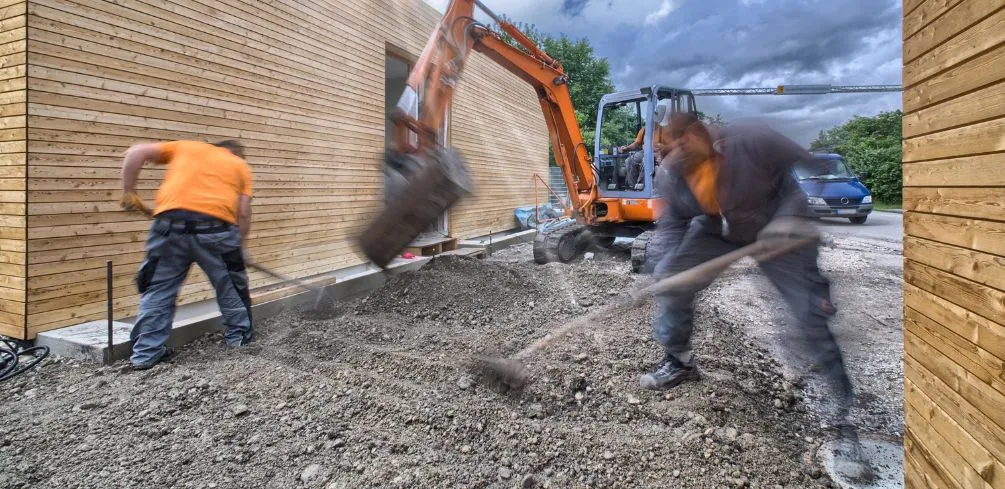
It is time for you to move the dirt that you have piled up to your low points. You will need a wheelbarrow, some shovels or rakes, and some bags that are designed for dirt transport.
Your first job is going to be removing the topsoil from around the perimeter of your house. Once this has been done, you can move it downhill to the low point.
Dump as much dirt as possible until the low point is at grade with the rest of your yard.
Smooth the dirt
Using a hard-metal rake, smooth the dirt into a flat surface. Avoid leaving any ridges or mounds as this will make the dirt harder to maintain.
You can use a wooden or plastic rake as an alternative if you do not have access to a metal one. You should be checking against your grade line to ensure the surface is as flat as possible.
You can then use your yard roller to flatten it out even more. This will make sure the dirt is compacted and does not shift underfoot traffic or weather conditions.
You should only roll in one direction to prevent creating any ruts that may remain after you are done rolling.
Check the level of the surface with a grade level and make any adjustments as needed. You may need to fill in low areas with more dirt or scoop out excess soil that you have worked into your yard.
Pank the dirt down
You want to make sure that the dirt is as level and compacted as possible. To do this, you will need a pank rake to work it down into place.
The ground should be firm enough that you can walk on it without sinking in too much or getting stuck with your shoes still firmly planted inside of the soil surface.
If the ground is too loose or wet, you can add some additional dirt on top of it until it gets to be a better consistency. You may also need to use your metal rake again if any ridges have been left from using the pank rake alone.
This will help get an even surface that does not leave ruts or ridges in the dirt.
Use mulch or grass seed to prevent erosion
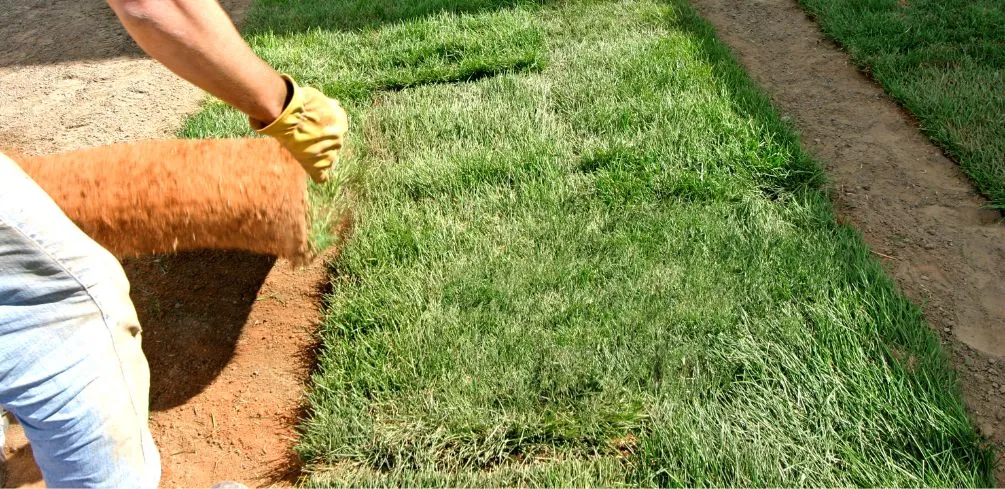
If your grade line is steep, you will need some sort of barrier at least two feet high (ideally three) along the bottom edge of it. This can be done by adding a few inches of mulch or planting sod immediately after grading has been completed.
You should check the sod daily and water it diligently for the first couple of weeks until you are sure that it is well-rooted into place. You can then add additional mulch to hold everything in place if needed or leave grass seed alone once your water every day for a week after establishing it on top of the grade line.
FAQs
Do I need a permit to grade dirt?
In general, if you are going to grade over 24 inches of dirt or if the project will disturb over 2400 sq. ft. of soil, then you will have to get a grading permit from your local government agency.
If you think your project is going to be big, you might want to consult an architect or engineer before you get started.
Do I need a permit for filling?
In general, if the project is going to disturb over 2400 sq ft of soil or will be greater than 24 inches deep then it may require a grading permit from your local government agency.
You can get more information on what the specific requirements are by contacting them directly.
What if my soil is wet?
If the dirt that you are grading is still wet, then it will not compact properly. You can spread some gravel on top of this to help with compaction while waiting for the moisture levels in your soil to come down.
It usually takes a few weeks before everything dries out enough to be used on your project.
What is the difference between grading and filling?
Grading means that you are going to be moving dirt from one area of a property to another whereas filing generally involves taking soil out of an existing location and putting it into a different spot.
You can use either for leveling purposes, however, so they can often be used interchangeably.
How do I grade dirt away?
There are several steps to grading and moving dirt such as: establishing the run (horizontal distance), determining the rise (vertical distance) required, removing topsoil around the perimeter of the house, dumping/moving excess soil downhill towards the low-point, leveling the dirt by raking/raking with a garden rake to achieve desired grade line.
How do I grade my yard for dirt?
You can use a rake to smooth out the dirt evenly and provide you with an accurate grade line. After this, you can use your pank rake along that line to remove any loose or high spots to get it as level as possible.
You may need to add some additional soil if there are low areas outside of where the house is located
How much does it cost to grade dirt?
It doesn’t cost much if it is a DIY project because most of the equipment you need is probably already in your store. If you are hiring a professional, it can get expensive depending on the size of your project and how much work is involved with grading dirt away from the house.
Final Thoughts
Grading dirt away from your house is an easy project to do if you know what you are doing. If it is done incorrectly, however, then all of the work that has been put into making this area even can be lost in a short period due to erosion or other weather-related damage.
Follow the tips above to make sure that you are grading your dirt properly. If you have a very large area you can spread the dirt with a manure spreader instead of doing it by hand.