The importance of soil health is often overlooked, yet it is essential for a flourishing garden. Compost is one of the best ways to ensure healthy soil and a successful garden. This article will explore how compost can help the soil, as well as what it can do for your garden.
Compost is made up of organic matter that has decomposed through the process of microbial activity. These microbes are beneficial for breaking down organic material into nutrients and other components that plants need to survive. Through this process, compost helps build healthy soils by adding beneficial organisms, increasing water retention, improving aeration, and providing essential plant nutrients.
Not only does compost improve the quality of soil, but it also helps protect plants from disease and pests. Compost contains beneficial microbes that act as natural pest control agents, helping to reduce the number of harmful insects and diseases in the garden. In addition, compost helps retain moisture in soils which helps plants thrive in dry conditions and reduces the need for frequent watering.
By understanding how compost benefits soil health and what it can do for your garden, you can maximize its potential to create a thriving and productive space.
Definition Of Compost
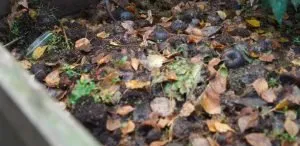
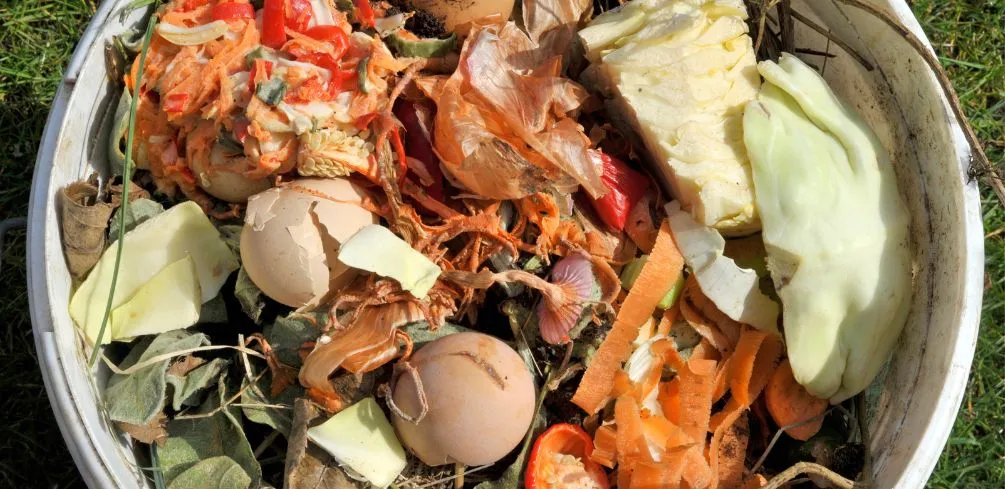
Compost is a type of organic matter that has been decomposed and recycled as a fertilizer and soil amendment. It is derived from a variety of sources, including kitchen scraps, yard waste, and manure. Composting is the biological process of breaking down organic materials into nutrient-rich materials that can be used to improve soil structure and fertility.
The composting process involves the decomposition of organic materials by microorganisms such as fungi, bacteria, and protozoa. These organisms break down the materials into simpler compounds that can be easily absorbed by plants. The end result is a dark, crumbly material with an earthy smell that is rich in essential nutrients such as nitrogen, phosphorus, potassium, magnesium, and calcium.
Compost can help improve soil structure by increasing its ability to retain water and nutrients while also improving drainage and aeration. In addition, it helps reduce erosion, control weeds, and provide a habitat for beneficial insects such as earthworms. By adding compost to your garden or flower bed, you can create healthier soils with higher yields of fruits and vegetables.
Benefits Of Composting
It is a commonly known fact that compost can be likened to a kind of ‘black gold’ for the gardener. Composting provides numerous benefits to gardeners, from improved soil fertility to better water retention, increased crop yields, and reduced soil erosion. For those looking to enhance the quality of their soil and reduce their reliance on chemical fertilizers and pesticides, composting is an excellent choice.
The primary benefit of composting is the improved fertility it adds to the soil. Compost improves the structure of the soil, making it more conducive for root growth and nutrient absorption. It also helps create a better balance between nitrogen and phosphorus levels in soils, leading to stronger plant growth and bigger yields.
Compost also has a number of other benefits. It helps lock moisture in the soil while increasing its drainage capabilities; this leads to better water retention, which can help plants during dry spells or heat waves.
Additionally, compost reduces soil erosion by providing a physical barrier between plant roots and eroding forces like wind or rainwater runoff. Finally, compost also helps control pests by introducing beneficial organisms (such as nematodes) into the environment that feed on harmful insects and fungi.
These are just some of the many advantages that come with using compost in your garden or landscape; when used properly, it can result in healthier plants and higher yield harvests – all without relying heavily on synthetic fertilizers or pesticides.
How To Make Compost
Making compost is a great way to add nutrients to the soil and benefit your garden. To make compost there are various composting methods that can be used depending on the size of your garden and the materials available. Depending on the method you choose, you will need to gather a variety of compost ingredients, such as green and brown materials like leaves, grass clippings, straws, shredded paper, vegetable scraps, and manure. These ingredients should be mixed together in a compost bin or pile in order to create an environment that facilitates decomposition.
The ideal ratio for making compost is two parts green material to one part brown material. The green material provides nitrogen, while the brown material provides carbon. When these two elements are balanced correctly, they create a nutrient-rich compost that can help improve soil texture and increase water retention capacity. Additionally, adding compost to your soil helps reduce weeds by providing food for beneficial microorganisms that compete with weed seeds for space and resources.
Composting is also an effective way to reduce waste since most of the materials used can be sourced from around your home or garden. By creating your own compost at home, you will have access to a nutrient-rich fertilizer without having to buy expensive store-bought options. All you need is patience and some basic knowledge of how to mix the different ingredients together in order to get the best results from your homemade compost bin or pile.
Adding Compost To Your Garden
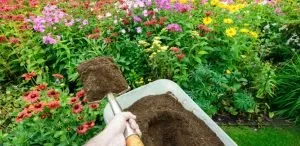
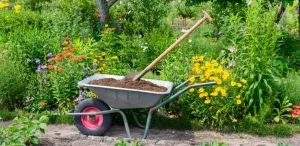
Adding compost to your garden is nothing short of a miracle. It can have an incredible impact on the health and quality of soil, allowing for improved plant growth and greater yields. Composting in the garden is an effective way to introduce beneficial bacteria and fungi that will help break down organic matter and release essential nutrients into the soil. Garden composting also adds humus, which helps retain water and improve aeration, making it easier for plants to absorb nutrient-rich moisture.
When adding compost to the garden, it is important to consider the specific needs of each plant species as well as the climate in which they are growing. For instance, some plants require more nitrogen than others, so adding a high-nitrogen compost may be necessary. Additionally, certain climates may require additional amendments, such as lime or gypsum, to ensure optimal soil health.
No matter how you choose to add compost to your garden, it will bring a host of benefits ranging from improving overall soil structure and fertility to increasing nutrient availability for plants and reducing erosion. Compost also acts as a natural fertilizer by slowly releasing essential nutrients over time. With proper application, compost can be used effectively to strengthen soil conditions while providing plants with the necessary nutrients for growth.
Tips For Maintaining Healthy Soil With Compost
Maintaining healthy soil with compost is an important part of having a successful garden. Composting tips can help gardeners make sure their soil is receiving all the nutrients it needs for optimal growth. There are several steps that can be taken to ensure garden compost is providing the necessary benefits to soil health.
First, it is important to add a variety of organic matter to the compost pile. Garden scraps such as vegetable and fruit peels, eggshells, grass clippings, and coffee grounds should be combined with other materials like leaves, sticks, and shredded paper.
This will create a balanced mixture that provides beneficial microbes, minerals, and nutrients for the soil. Additionally, it is recommended to turn the compost at least once every two weeks in order to aerate the mixture and provide oxygen for the microorganisms within it.
Second, it is essential to keep the compost moist but not too wet. Too much moisture can cause anaerobic conditions in which harmful bacteria can thrive instead of beneficial microbes. If water needs to be added, aim for about 40-60% moisture content by weight in order for proper decomposition; too much water can also leach out some of the beneficial minerals from the compost into drainage systems or waterways.
Finally, proper maintenance of garden compost requires monitoring its temperature on a regular basis throughout its lifecycle. As temperatures increase between 140-160°F (60-71°C), most weed seeds and pathogens are killed off; temperatures above 170°F (77°C) may result in nutrient loss due to volatilization or evaporation. The temperature should be checked at least once each week during active decomposition periods in order to maintain optimal levels of activity within the pile and ensure maximum nutrient availability for plants.
By following these tips when maintaining healthy soil with composting, gardeners are able to provide their plants with essential nutrients while also minimizing potential environmental impacts associated with poor management practices. These simple steps can go a long way toward creating healthy soils that are capable of producing high yields year after year.
Frequently Asked Questions
How Much Compost Should I Use In My Garden?
The right amount of compost in your garden can be the difference between a flourishing and bountiful harvest or a disappointing one. But how much is the right amount? Composting experts suggest that a good rule of thumb is to use one inch of compost per square foot in the garden. This will provide plenty of beneficial compost for your soil and plants to thrive.
When applying compost to your garden, spread it evenly over the area and then lightly till it into the top two inches of soil. This will help ensure that the nutrients from the compost become available to your plant’s roots as soon as possible. It’s also important to note that you should avoid spreading too much compost in one spot, as this can lead to nutrient imbalances in your soil.
Composting has been practiced for centuries, and for a good reason – it’s an effective way to enrich your garden soil and increase its fertility. By adding compost regularly, you can improve the texture of your soil, increase its water-retention capacity, reduce erosion, and promote healthy plant growth. Ultimately, using an appropriate amount of compost in your garden is essential for achieving maximum benefit from its many benefits.
How Long Does It Take For Compost To Break Down?
Composting has become increasingly popular as a way to reduce waste, improve soil fertility, and benefit gardens. But one of the questions gardeners have is: how long does it take for compost to break down? The answer depends on various factors, such as the type of compost materials used, the size of the particles, and the environment in which it is placed.
The time it takes for compost to decay or decompose can range from two months to several years. Composting time may be affected by factors such as moisture levels, temperatures, particle size, and aeration. For example, if dry material is used in composting and there is not enough moisture present during compost breakdown, the process could take longer than usual. Similarly, if the particles are too large or there is not enough air circulation in the environment where it is placed, this could also extend their duration significantly.
It is important to note that most compost will begin to break down within a few weeks or months, but complete decomposition can take up to two years or more, depending on these variables. For best results when using compost in a garden setting, gardeners should ensure they provide adequate aeration and moisture levels throughout the entire process. Additionally, breaking down materials into smaller pieces before adding them to the compost pile can help speed up decomposition time.
What Kind Of Compost Is Best For My Particular Garden?
With the increasing popularity of gardening, it is important to know the best compost type for a particular garden. According to the U.S. Composting Council, more than 40 million tons of compost are generated every year in the US alone. With so many options available, it can be overwhelming to decide which compost type is best for your garden.
Compost types vary from garden to garden and depend on a variety of factors such as soil conditions, climate, and available resources. Composting materials such as food scraps, grass clippings, and leaves can be used to create compost for a specific kind of soil. Moreover, there are various composting methods, like hot or cold composting, that offer different benefits when it comes to creating the most effective compost for your garden.
Compost soil benefits include improved water retention capacity, better nutrient availability, and healthier plant growth, among various other advantages. Compost also helps reduce fertilizer needs while providing essential nutrients and minerals needed by plants. Additionally, following some simple compost gardening tips, such as aerating the pile regularly, will help create a more nutrient-rich environment in your garden and allow plants to thrive even in challenging weather conditions.
By carefully choosing the right type of compost for your particular garden and learning how to maintain it properly, you can benefit from its many advantages while enjoying all that your garden has to offer!
Are There Any Health Risks Associated With Composting?
Composting is a popular way to nourish and enrich the soil, but what are the risks associated with composting? While composting can provide numerous benefits to one’s garden, there are potential health hazards that must be considered. This article will discuss the composting risks associated with exposure to compost and how to keep it safe while gardening.
Compost safety should always be a priority when it comes to gardening. Compost contains various microorganisms, including bacteria and fungi, which can cause illnesses in humans if not handled properly.
People who have weakened or compromised immune systems should exercise extra caution when dealing with compost as they may be more susceptible to infection or disease from contaminants. Additionally, improper handling of compost can lead to inhalation of spores and other particles, which can cause respiratory issues.
To reduce the risk of exposure to hazardous elements, it is important for individuals engaging in composting activities to wear protective clothing such as gloves and masks. It is also advisable not to touch your face or eyes during or after handling compost since skin contact could result in irritation or infection from pathogens found in the material. Furthermore, it is important for individuals who work with compost regularly to stay up-to-date on safety protocols and follow all relevant regulations set by local authorities.
By taking precautions while handling compost, gardeners can continue enjoying its benefits without compromising their health. With a proper understanding of the potential dangers associated with exposure, people can enjoy the rewards of having beautiful gardens while keeping themselves and their families safe from harm.
How Often Should I Apply Compost To My Garden Soil?
Composting is an important part of gardening and maintaining healthy garden soil. Understanding the right frequency for applying compost can help ensure that your garden receives the optimal amount of nutrients. Compost application frequency depends on several factors, including the type of compost being used, the type of soil in your garden, and the size of your garden.
When it comes to compost application frequency, it is important to consider what type of compost you are using. Different types of compost have different nutrient profiles, which could impact how often they should be applied to your garden soil. For example, if you are using manure-based composts such as cow or horse manure, these types of composts should be applied more frequently than non-manure-based composts such as leaf mold or mushroom compost.
The type of soil in your garden is also important to consider when determining how often you should apply compost. If the soil in your garden is sandy, then you may need to apply more frequent applications of compost than if the soil is clay-like or loam. Additionally, if you have a large garden plot, then you may need to apply more frequent applications of compost than if you have a smaller garden plot due to the larger area needing fertilization.
Understanding how often one should apply compost to their garden can help maximize its benefits and yield better results for a healthier and vibrant looking garden. Knowing what type of compost is best for your specific situation and understanding how often it needs to be applied will help ensure that your plants receive all the necessary nutrients from the added fertilizer supplied by the compost material.
Conclusion
Composting is a beneficial practice for many gardeners and has numerous advantages for improving the health of the soil. It increases nutrient content, improves water retention, and provides an organic matter that improves soil structure.
Regular application of compost to garden soil can also reduce the need for chemical fertilizers and pesticides, reducing environmental impacts. The adage “one man’s trash is another man’s treasure” certainly applies when it comes to composting; turning food scraps into nutrient-rich compost is a great way to put waste materials to good use while helping your garden thrive.
It is important to take several factors into account when adding compost to your garden. Different types of compost have varying levels of nutrients, so it is important to select the right type for your particular garden needs.
Additionally, applying too much compost or applying it too often can lead to over-fertilization and other problems. Therefore, it is important to use only as much as needed and apply it at regular intervals in order to get the most benefit from this valuable resource.
Overall, using compost in gardens can be extremely beneficial if done correctly. With careful selection and proper application rates, gardeners can improve their plants’ health with minimal effort or cost while reducing their environmental impact by avoiding products with potentially toxic chemicals. Composting offers many benefits for both people and nature – making it an invaluable addition to any gardener’s toolkit!