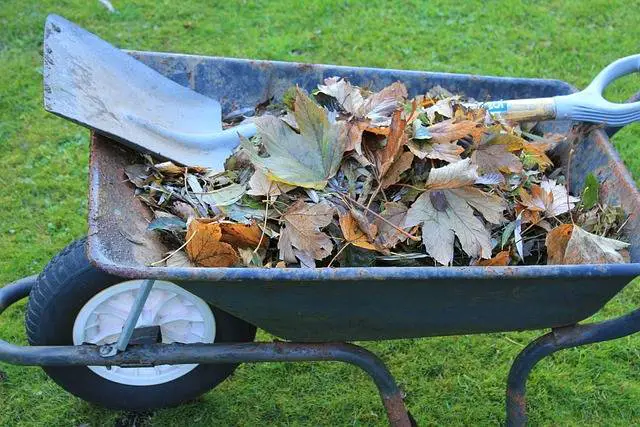
The process of composting is a vital part of creating a productive garden. By understanding the science behind it, gardeners can gain insight into the natural processes that create and maintain healthy soil for growing plants.
Composting is an effective way to reduce waste, save money, and help protect the environment. This article will explain how home composting really works and why it is so important for creating a successful garden.
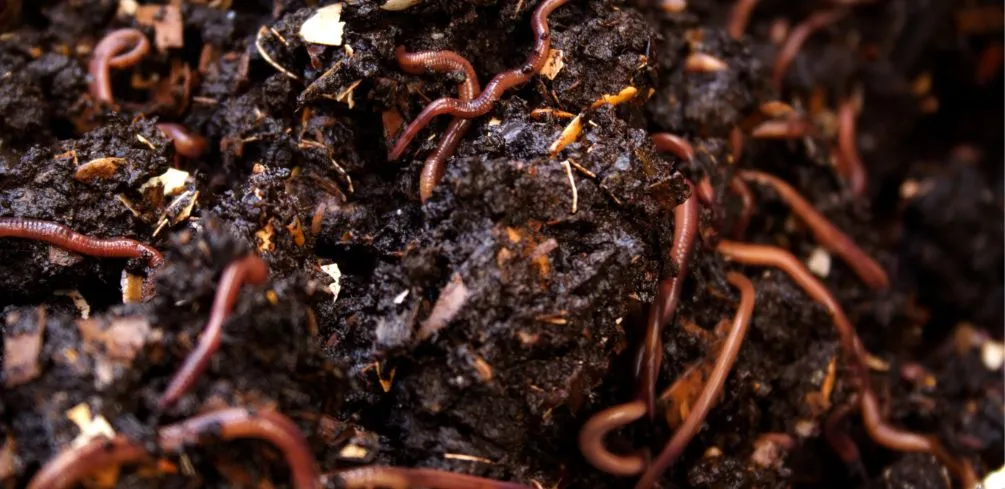
Composting involves the decomposition of organic material by microorganisms such as bacteria and fungi. Microbes break down the organic material into nutrients which are then absorbed by plants when they are added to the soil.
The resulting compost provides essential elements like nitrogen, phosphorus, and potassium, which help promote healthy plant growth. Additionally, composting microorganisms add beneficial microbes to soil that increase its water-holding capacity and boost fertility.
The benefits of composting extend beyond just gardening; it also helps reduce waste in landfills and has environmental protection implications. Composting organic waste reduces methane emissions from landfills and helps conserve water, energy, and fertilizer resources that would otherwise be used to process non-compostable materials. Therefore, composting plays an important role in sustaining a healthy planet for future generations.
What Is Compost?
Composting is an ancient practice, far older than the Earth itself. It has been around since the dawn of time and is still used today to promote a healthy garden ecosystem. But what exactly is compost? Compost is a type of organic matter that has been decomposed and recycled as fertilizer or soil amendment for gardens and agricultural fields. It helps plants grow by providing essential nutrients and beneficial microorganisms that promote root growth, water retention, and better drainage.
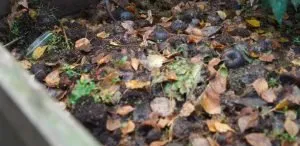
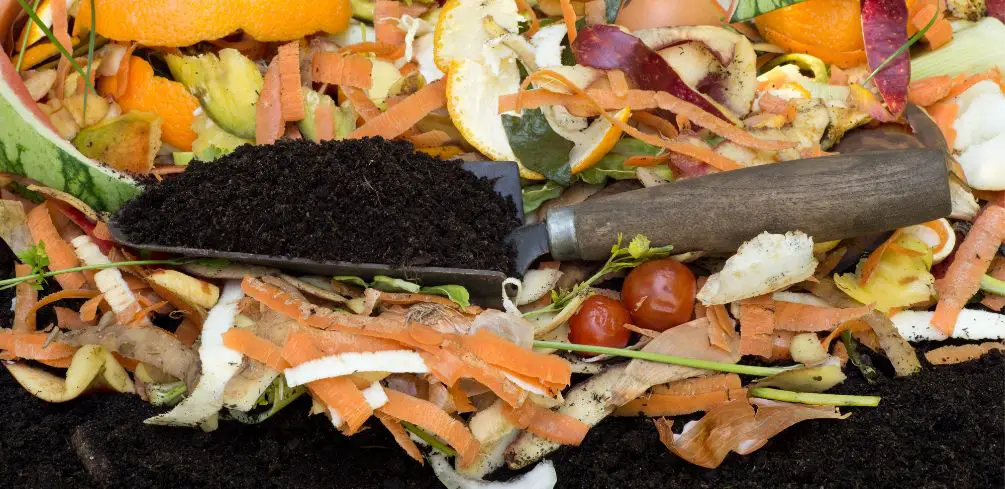
Compost can be made from many different materials, such as yard waste, food scraps, manure, straw, cardboard, newspaper, eggshells, sawdust, coffee grounds, fruits, and vegetable scraps.
The process of making your own compost bin involves several steps, including collecting organic material, breaking it down into smaller pieces to allow for faster decomposition, mixing with soil or other additives to provide additional nutrients, and aerating the mixture to ensure oxygen reaches all parts of the pile. This creates a perfect environment for beneficial bacteria and fungi to thrive which then breaks down the organic material into nutrient-rich humus.
When added to garden soils, it provides essential nutrients such as nitrogen and phosphorus, which help plants absorb more water and minerals from the soil. Compost also improves drainage by increasing pore space between soil particles while helping retain moisture at the same time.
In addition to improving plant health, it also reduces waste going into landfills by recycling surplus food, kitchen scraps, or yard clippings instead of throwing them away. These are just some of the reasons why compost is so important for having a productive garden.
Benefits Of Composting
Composting has numerous benefits for gardeners, leading to an increase in soil fertility, water retention, and plant health. Compost is a nutrient-rich combination of decayed organic matter that can be used as an additive to soil. It helps to improve the structure and texture of the soil, allowing it to absorb better and retain moisture.
This increased water retention leads to healthier plants that require less supplemental irrigation. Additionally, compost helps support a healthy microbial environment in the soil which works to prevent pests and diseases from affecting plants.
Compost also acts as a natural fertilizer, providing essential nutrients such as nitrogen, phosphorus, and potassium directly to the soil. These nutrients help promote strong root systems and lush foliage growth, leading to healthier plants with increased yields.
Furthermore, compost helps provide a buffer against extreme pH levels by moderating the acidity or alkalinity of the garden soil. By creating a balanced ecosystem within the garden space, compost encourages optimal plant growth while also reducing environmental stress on each individual plant species.
The use of compost can have a direct influence on overall crop production as well as on sustainable gardening practices as a whole. Gardeners are able to reduce their dependence on chemical fertilizers while simultaneously improving the quality of their harvests over time. This makes composting an enjoyable activity for anyone looking for more sustainable gardening methods that will produce results for years to come.
How To Create And Use Compost
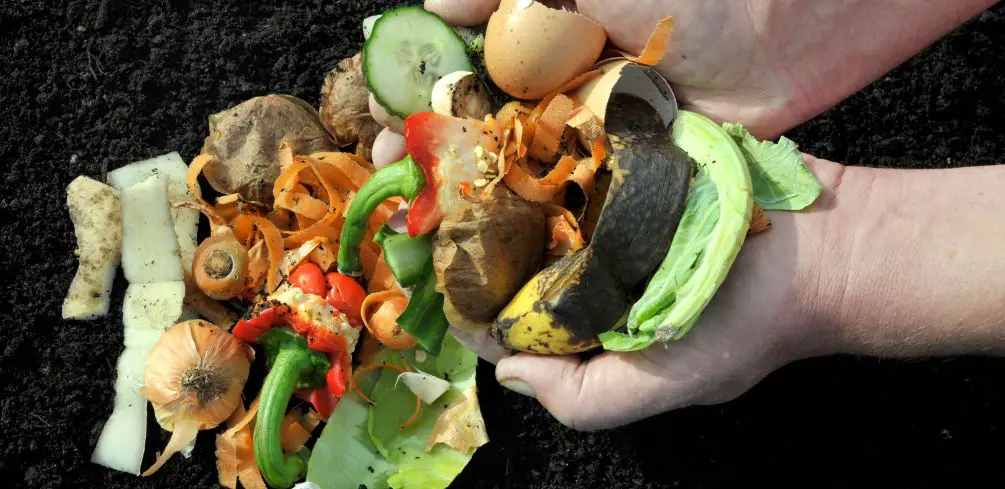
Creating and using compost is an essential part of a productive garden. Composting provides numerous benefits to soil health and plant growth. It also helps reduce the amount of waste sent to landfill. To create compost, one should begin by gathering organic material such as leaves, grass clippings, fruit and vegetable peels, coffee grounds, and eggshells from the kitchen.
These materials should then be placed into a bin or container with holes for air circulation. To ensure proper decomposition, it is important to mix the materials in layers so that air can reach all areas of the pile. The pile compost bins should then be kept moist but not too wet to avoid rot or odor problems.
In order to speed up the composting process, it may be beneficial to add some nitrogen-rich materials such as manure and food scraps. For best results, turn the compost pile every few weeks with a garden fork or shovel so that oxygen can reach all parts of the mixture. This will also help reduce any unpleasant odors and encourage faster decomposition. The compost is ready for use when it has a dark brown color and crumbly texture similar to soil.
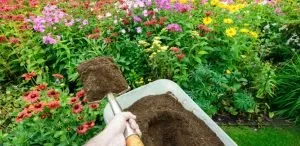
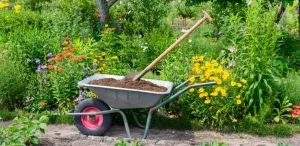
Compost can be used in any type of garden, from raised beds to container gardens and lawns. It can be mixed into the existing soil or used as a top dressing around plants for added nutrients and moisture retention.
Compost also acts as an effective mulch that prevents weeds from growing while helping conserve moisture in the soil. In addition, it can improve soil structure by improving its aeration and ability to hold water without becoming waterlogged or compacted over time. With these tips on how to create and use compost, gardeners will have everything they need for successful gardening projects this season.
Troubleshooting Common Issues With Composting
At times, composting can be a tricky task. As such, it is important to know the common issues that can arise and their solutions. From incorrect ingredients to inadequate aeration, composting problems can sabotage a garden’s productivity. Such potential pitfalls are best avoided by identifying and addressing them before they become an issue.
One of the most common composting mistakes is using inadequate ingredients. It is essential to use a balanced mix of nitrogen-rich green material and carbon-rich brown material in order for the aerobic composting pile to function properly. Without this balance, the compost pile will not get hot enough or break down quickly enough. To rectify this issue, add more green materials or brown materials accordingly until the desired balance is achieved.
Another common issue with composting is inadequate aeration. Compost piles need to be turned regularly with a shovel or pitchfork in order for oxygen to reach the microorganisms breaking down the materials within them.
If this does not occur, anaerobic bacteria will take over and create a foul odor as well as slow decomposition of the material within the pile. To address this problem, turn over the entire pile at least once a month or more frequently, if possible, in order to ensure proper aeration throughout all levels of the pile.
In addition to correct ingredients and proper aeration, there are other steps one can take to ensure successful composting, such as maintaining moisture levels and avoiding contamination from weeds or pests. By taking these precautions early on and keeping an eye out for potential issues along the way, one can confidently create quality compost that will benefit their garden’s productivity for years to come.
Best Practices For A Healthy Garden
Having a productive garden starts with having healthy soil. To ensure this, certain best practices should be followed when composting and maintaining a garden.
Below are a few tips to help improve the health of your garden and increase its productivity:
- Utilize composting techniques such as hot or cold composting to break down organic matter and improve soil nutrients.
- Incorporate mulching into your garden’s maintenance plan to protect the soil from eroding and reduce weeds.
- Add fertilizer regularly to replenish the soil’s nutrient supply and help promote healthy plant growth.
Maintaining a healthy garden is an ongoing process that requires diligence and commitment. Regularly testing the soil for pH levels, aerating it as needed, removing any weeds that grow, adding fertilizer as necessary, and using composting techniques all contribute to increased productivity in your garden.
Furthermore, monitoring water levels and ensuring that plants get enough light also play an important role in keeping plants healthy. Following these key tips will not only keep your garden successful but also allow you to reap the rewards of gardening with delicious fruits and vegetables!
Frequently Asked Questions
What Is The Best Time Of Year To Start Composting?
Composting is a simple and easy way to get the most out of your garden. But when is the best time of year for composting? It turns out that there is no one-size-fits-all answer. The best time of year for composting depends on where you live, what type of compost you are making, and other factors. With this in mind, let’s take a look at some tips for composting throughout the year.
It’s important to understand that every composting season has its own unique advantages and challenges. For example, if you live in an area with cold winters, then late winter or early spring is often the ideal time to get started.
This allows enough time for the compost pile to heat up before cold weather sets in. It also provides plenty of warm days to turn the pile and manage it properly.
On the other hand, if you live in a warmer climate, then late summer or fall may be best for starting your compost pile. This gives plants enough time to break down before cooler temperatures arrive and slows down decomposition during the colder months ahead. Additionally, it allows you to take advantage of falling leaves or other seasonal materials that can be added to your piles, such as grass clippings or shredded newspaper.
No matter when you decide to start composting, there are several key steps that should be taken each year during the compost process in order to ensure successful results.
These include preparing your site correctly by creating an adequate amount of space for air circulation; using worm composting, adding a mix of organic materials such as food scraps, yard waste, and paper products; keeping moisture levels consistent; turning your piles regularly; and harvesting finished compost when ready. With these tips in mind, you can make sure you get the most out of your composting efforts every year!
Can Compost Be Used To Fertilize Indoor Plants?
Composting is an effective way to repurpose organic materials and can be used to fertilize indoor plants. The process of composting involves the decomposition of organic material, such as food scraps and yard waste, into nutrient-rich soil, which can be used for gardening purposes. This type of soil is beneficial for both outdoor and indoor plants as it provides essential nutrients for healthy growth.
Indoor plants can be fertilized with compost in several ways. For example, a container filled with compost can be placed directly beneath the plant’s root system. Compost tea, a liquid fertilizer made from steeping compost in water, can also be used as an effective fertilizer for indoor plants. Additionally, a small amount of finished compost can be incorporated into potting mix or soil before planting to provide beneficial nutrients to the plant over time.
When selecting compost for use on indoor plants, it is important to choose one that has been fully matured and has no remaining chunks or pieces of organic material in it. Compost that is not fully mature may contain too much nitrogen, which could burn or damage the roots of your indoor plants.
Additionally, finished compost should smell earthy and not have any offensive odors present. With a proper selection of compost materials and application techniques, indoor gardeners can successfully use compost to create an enriching environment for their houseplants.
Are There Any Materials That Should Not Be Added To A Compost Pile?
Composting is a great way to improve soil structure and plant health, but it’s important to understand which materials are suitable for composting and which are not. Many items, such as food waste and scraps, can be easily added to a compost pile; however, some materials should not be considered for composting. This article will discuss the different types of composting materials, as well as those unsuitable items that should not be added to a compost pile.
The first type of material suitable for composting is organic waste from plants and animals. This includes food scraps such as fruit and vegetable peels, coffee grounds, eggshells, and tea bags.
Other organic matter, such as grass clippings, leaves, sawdust, and straw, can also be added to the pile. These materials help create an aerobic environment in the compost pile that allows for the decomposition of organic matter into nutrients for plants.
Unsuitable items include anything containing artificial chemicals or synthetic materials such as plastic or foam packaging. Non-compostable materials like these can release toxic chemicals into the soil when they break down, causing harm to plants and animals in the area.
Furthermore, unwanted items like pet waste or diseased plants should also not be included in a compost pile since they may contain harmful bacteria or parasites that could spread throughout the garden if left unchecked.
It is essential that only suitable materials are used in a compost bin or pile in order to ensure healthy soil and productive gardens. Understanding what types of material can be used in a compost pile can help gardeners create nutrient-rich soil without introducing any potential hazards from unsuitable items or non-compostable substances.
How Often Should A Compost Pile Be Turned?
The importance of turning a compost pile cannot be overstated. Turning a compost pile can seem like a daunting task, but it is essential for maintaining the health and productivity of your garden. Compost turning, stirring, aeration, and mixing are all essential processes that should be done on a regular basis to ensure a productive garden.
To begin with, compost turnover should be done at least once every two weeks. This helps aerate the pile by allowing air to flow through the material and increase its moisture content. It also helps distribute the nutrients throughout the pile so that they can be absorbed by plants or microbes in the soil. Additionally, turning the compost pile helps break up any clumps of materials and encourages decomposition by exposing new surfaces to microbial activity.
In addition to compost turnover, stirring or mixing is also necessary for maintaining a healthy compost pile. Stirring or mixing helps separate any large chunks of material from one another, ensuring that all materials are exposed to air and water equally.
This will help speed up the decomposition process and allow nutrients to disperse evenly throughout the pile. Furthermore, stirring or mixing will help reduce odors caused by anaerobic bacteria in the compost pile.
Compost aeration is also important in order to keep oxygen levels high enough for aerobic organisms and bacteria to thrive. This can be achieved through regular turning or stirring of the compost pile as well as adding more dry material, such as straw or hay, to lighten it up and increase airflow if needed.
The following bullet points summarize some key takeaways:
- Compost turnover should be done at least once every two weeks
- Stirring or mixing helps separate any large chunks of material from one another
- Aerating helps oxygen levels remain high enough for aerobic bacteria to thrive
By taking these steps regularly when managing your compost pile, you can ensure that you have healthy soil with plenty of nutrients for your garden plants to use!
How Long Does It Take For Compost To Be Ready To Use In The Garden?
Composting provides a great benefit for gardeners, allowing them to create nutrient-rich soil with the materials they already have on hand. It is, however, important to understand the timeline of composting in order to get the most out of it. The question then arises, how long does it take for compost to be ready to use in the garden?
The duration of the composting process varies depending on several factors, such as location and temperature. Generally speaking, it takes anywhere from two months to one year for anaerobic composting to reach completion.
This can be broken down into four distinct stages: preparation, active decomposition, cooling off period, and maturity. During preparation, organic material is added and mixed together while moisture and air levels are adjusted. Active decomposition occurs when aerobic microorganisms first break down organic matter into humus-like material; this stage usually takes about two weeks.
The cooling-off period follows active decomposition; during this stage, oxygen levels decrease, and temperatures begin to drop significantly. Finally, maturity occurs when all materials have been fully broken down and transformed into a nutrient-rich soil amendment that can be used in gardening applications.
Overall, understanding the composting timeline is essential for gardeners who want to maximize their results from composting. Knowing how long it will take for the composting process to run its course allows them to plan ahead and make sure that their gardens are well supplied with nutrient-rich soil amendments at all times.
Being aware of this timeline also helps gardeners become more knowledgeable about the entire composting process; by understanding each step in detail, they can ensure that their efforts yield successful results every time.
Conclusion
Compost is a vital tool for maintaining a productive garden, and understanding how it works is essential for successful composting. Turning the compost pile regularly provides oxygen which breaks down the organic material and speeds up the process of decomposition. The timing of when to start composting is important and different materials require different lengths of time to break down into usable compost for plants.
In addition, there are certain materials that should be avoided, such as meats and dairy products, as these can cause odors and attract pests. Composting also prevents many materials from going into landfills, making it an environmentally friendly alternative. Finally, once it has broken down, composting material can be used to fertilize both outdoor and indoor plants.
Irony aside, understanding how compost works are paramount for any gardener who wishes to have a productive garden. Knowing when to start a compost heap, what materials can safely be added, how often it needs to be turned over, and how long before it’s ready for use will all contribute towards success in creating nutrient-rich soil for plants. Armed with this knowledge, anyone can create their own compost pile that will help keep their garden healthy and fruitful.