Soil minerals play a significant role in the growth and development of plants. These essential nutrients are required for the proper functioning of various biological processes in plants, such as photosynthesis, respiration, and metabolism.
The presence or absence of certain minerals in the soil can significantly impact the quality and quantity of crops produced, making it crucial to understand their importance. The world’s population is expected to reach 9.7 billion by 2050, and with an increasing demand for food production, there is a need to optimize crop yields while preserving the environment.
Soil minerals are critical components that affect soil fertility, which ultimately affects crop production. Therefore, understanding the importance of soil minerals is vital for sustainable agriculture practices and meeting global food demands.
This article will explore the role of soil minerals in plant growth, their impact on crop yields, and their significance in sustainable agriculture practices.
The Role Of Soil Minerals In Plant Growth
Soil minerals play an essential role in the growth and development of plants. For plants to thrive, they require a diverse range of nutrients that can be sourced from the soil.
Soil mineral absorption is the primary way in which these necessary nutrients are obtained by plants. The roots of plants act as a gateway for nutrient uptake, allowing them to absorb minerals such as nitrogen, phosphorus, and potassium from the surrounding soil.
The process of plant nutrient uptake relies heavily on soil mineral availability. Without adequate levels of minerals in the soil, plant growth may become stunted or even die off entirely.
However, it is not just about having an abundance of minerals in the soil; their availability also plays a crucial role in plant growth. The pH level and texture of the soil can affect how easily plants can absorb needed minerals.
Understanding how different soils interact with plant nutrient uptake is vital for farmers and gardeners who want to cultivate healthy crops and gardens without resorting to chemical fertilizers or other additives.
Essential Soil Minerals For Optimal Crop Yields
Soil minerals are essential for plant growth and play a crucial role in nutrient uptake. Plants require a variety of minerals to complete their life cycle, and these minerals must be present in the soil in adequate amounts.
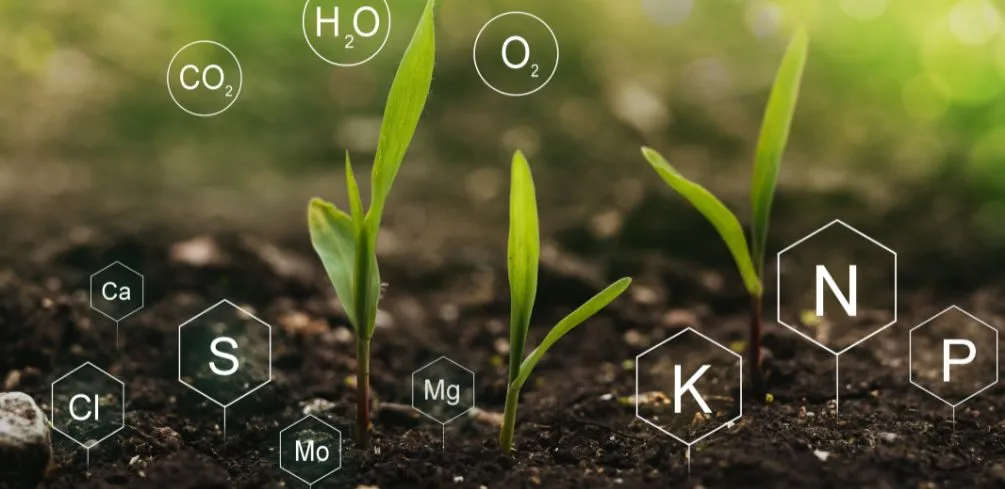
Some of the essential soil minerals include nitrogen, phosphorus, potassium, calcium, magnesium, sulfur, iron, zinc, manganese, copper, and boron. These minerals participate in various physiological processes such as photosynthesis, respiration, protein synthesis, and enzyme activation.
Fertilizer application is one way to ensure that these essential minerals are present in the soil. Fertilizers contain a blend of macronutrients (nitrogen, phosphorus, and potassium) and micronutrients (such as iron and boron) that are necessary for optimal crop yields.
However, excessive fertilizer application can lead to environmental degradation by polluting water sources with nitrates or reducing soil fertility due to imbalanced mineral ratios. Therefore, it is important to apply fertilizers judiciously based on soil analysis results and crop requirements while also adopting sustainable practices such as crop rotation or cover cropping to maintain soil health.
Effects Of Soil Mineral Deficiencies On Crop Production
Soil mineral deficiencies are one of the primary contributors to crop loss and reduced yields worldwide. Soil is a complex ecosystem that contains numerous minerals necessary for plant growth, such as nitrogen, phosphorus, potassium, calcium, magnesium, and sulfur.
These minerals interact with each other in soil and with plant roots in intricate ways. Therefore, when one or more of these minerals is deficient in the soil, it can significantly affect the growth and development of crops.
The effects of soil mineral deficiencies on crop production depend on various factors, such as the type of crop grown, the extent of deficiency, and soil fertility. Some common signs of mineral deficiencies include stunted growth, yellowing leaves, poor root development, and reduced yield.
Several factors contribute to soil mineral nutrient interactions that determine the availability of nutrients to plants. One effective way to determine the nutrient status of the soil is by using soil testing techniques. Soil tests can provide information about nutrient levels in soils that help farmers identify potential deficiencies before they harm crops.
Factors contributing to soil mineral nutrient interactions:
- Soil pH
- Organic matter content
Soil testing techniques:
- Chemical analysis
- Provides information about nutrient levels in soils
- Helps identify potential deficiencies before they harm crops
In summary, understanding the importance of soil minerals and their interactions with plants is crucial for successful crop production. As demonstrated earlier, inadequate levels or imbalances in essential minerals can lead to a reduction in yields or even total crop loss. Therefore, regular monitoring of soil fertility through testing techniques should be prioritized by farmers to ensure optimum crop performance.
Sustainable Agriculture Practices And Soil Mineral Management
The effects of soil mineral deficiencies on crop production cannot be overstated. The lack of essential minerals in soils leads to stunted growth, low yields, and susceptibility to diseases.
While soil mineral depletion is a natural process that takes place over time, human activities such as deforestation, excessive use of chemical fertilizers, and intensive agriculture practices have accelerated the rate at which soils lose their essential nutrients.
To address this problem, sustainable agriculture practices must be adopted to ensure the conservation of soil minerals for future generations.
Soil mineral conservation is a critical aspect of sustainable agriculture practices. It involves the use of eco-friendly fertilizers such as compost, manure, and green manure cover crops that provide nutrients while also improving soil structure and water retention capacity.
These organic fertilizers are not only cost-effective but also environmentally friendly as they reduce the reliance on synthetic fertilizers that contribute to soil degradation and pollution. Additionally, practicing crop rotation and intercropping helps break pest cycles while also improving soil fertility through nitrogen fixation by legumes.
By adopting these practices, farmers can sustainably manage their soil’s mineral resources while improving yields and reducing environmental impacts.
In summary, sustainable agriculture practices are vital in ensuring the conservation of soil minerals for future generations’ use. Eco-friendly fertilizers such as compost and manure play a significant role in maintaining healthy soils while reducing environmental impacts caused by synthetic fertilizers’ overuse.
Therefore, it is critical to adopt these practices to achieve long-term sustainability in agriculture while preserving the planet’s health for current and future generations.
Future Implications For Soil Mineral Importance In Agriculture
Soil mineral depletion is a growing concern in modern agriculture. The depletion of essential minerals such as nitrogen, phosphorus, and potassium in the soil can significantly impact crop yields and overall soil health.
This issue has prompted researchers to investigate ways to mitigate soil mineral depletion through various technological advancements. One solution is precision farming, which involves using technology such as GPS mapping and sensors to apply fertilizers and other inputs precisely where they are needed. This approach reduces waste and ensures that plants receive the necessary nutrients for optimum growth.
Additionally, genetic modification of crops can enhance their ability to absorb nutrients from the soil effectively. However, it is essential to consider the potential environmental impacts of these technologies before implementing them on a large scale.
Looking ahead, technological advancements will continue to play a vital role in addressing soil mineral depletion in agriculture. As global demand for food increases, finding sustainable ways to maximize crop yields will become increasingly important.
By utilizing precision farming techniques and genetic modifications that enhance nutrient absorption, farmers can optimize their yield while reducing their environmental impact. Though it will take time for these practices to become widely adopted, they represent an exciting step towards a future of sustainable agriculture.
Frequently Asked Questions
How Do Soil Minerals Affect The Taste And Nutritional Value Of Crops?
The presence of soil minerals in crops is crucial when it comes to taste and nutritional value. Soil mineral deficiency can lead to crops with less flavor and fewer nutrients, which ultimately affects the health of consumers.
According to research, organic farming techniques that promote healthy soil mineral content result in crops with higher levels of antioxidants, vitamins, and other essential nutrients. This not only benefits consumers but also contributes to sustainable agriculture practices.
By focusing on the role of soil minerals in crop production, farmers can create a healthier food system that meets the needs of both individuals and communities.
Can Excessive Use Of Chemical Fertilizers Harm Soil Mineral Levels?
Excessive use of chemical fertilizers has been linked to soil mineral depletion, which can negatively impact the health and productivity of crops. Sustainable agriculture practices that focus on natural methods of soil enrichment, such as crop rotation and the use of organic fertilizers, can help mitigate this issue.
By avoiding over-reliance on synthetic inputs and prioritizing long-term soil health, farmers can maintain optimal levels of essential minerals in their fields, leading to higher yields and healthier food for consumers. In the pursuit of sustainable agriculture practices, it is vital to consider the balance between short-term gains and long-term consequences for both the environment and human health.
Are There Any Negative Environmental Impacts Associated With Soil Mineral Management Practices?
Soil mineral contamination has become a major environmental concern in recent years, largely due to unsustainable mineral management practices. The excessive use of chemical fertilizers and pesticides can lead to the depletion of soil minerals and cause long-term damage to the environment.
This not only affects the quality of crops but also contributes to soil erosion, water pollution, and loss of biodiversity. Sustainable mineral management practices, such as crop rotation, intercropping, and organic farming methods, can help prevent soil degradation and maintain soil mineral levels.
It is vital for farmers and policymakers to adopt these practices in order to protect our natural resources and promote a healthy ecosystem.
How Do Different Types Of Soil Minerals Interact With Each Other?
Soil mineral interactions play a crucial role in determining nutrient availability and overall soil health. Different types of soil minerals can interact in various ways, either positively or negatively affecting nutrient uptake by plants.
For example, some minerals may form insoluble compounds with other minerals, reducing their bioavailability to plants. Conversely, some minerals may enhance the solubility and availability of other nutrients.
Understanding these complex interactions is essential for effective soil management practices that promote optimal nutrient uptake and plant growth. Nonetheless, further research is necessary to fully comprehend the intricate mechanisms involved in soil mineral interactions and their implications for agricultural sustainability.
Is There A Way To Measure Soil Mineral Levels Accurately And Efficiently?
As the adage goes, ‘you can’t manage what you don’t measure,’ and this is especially true when it comes to soil mineral monitoring. Accurately and efficiently measuring soil mineral levels is essential for preventing nutrient deficiencies and ensuring optimal plant growth.
There are various methods for measuring soil minerals, including traditional laboratory analysis and newer technologies such as portable X-ray fluorescence (PXRF) spectrometry. While each method has its advantages and limitations, the overall goal is to obtain a precise understanding of the soil’s mineral content to inform effective nutrient management strategies.
By implementing an efficient soil mineral monitoring program, farmers and growers can take proactive measures to prevent nutrient deficiencies and promote healthy crop growth, ultimately achieving higher yields and greater profitability.
Conclusion
Soil minerals are the building blocks of healthy crops and play a vital role in the nutritional value and taste of the produce. The presence or absence of specific minerals can significantly affect plant growth, yield, flavor, and nutrient content.
However, excessive use of chemical fertilizers can harm soil mineral levels, leading to nutrient depletion and environmental degradation. Like the different colors in a painter’s palette, each soil mineral has a unique role to play in sustaining life. They work together in harmony to create a harmonious ecosystem that supports diverse flora and fauna.
However, just as an inexperienced artist may use too much paint on their canvas, unregulated mineral management practices can have negative consequences for our planet.
In conclusion, soil minerals are essential components of healthy crops and must be managed sustainably to ensure long-term agricultural productivity without harming the environment. By using accurate and efficient methods to measure soil mineral levels and promoting responsible land-use practices, we can protect this precious resource for generations to come.
Just as a skilled painter uses each color judiciously to create a masterpiece that inspires awe and wonder, we must use our knowledge wisely to cultivate healthy soils that nourish our bodies and enrich our lives.