Soil is a vital resource for all human activities, from agriculture to construction. It is the foundation of life on Earth, and its classification system helps us understand the composition and properties of soil.
Soil classification is a scientific process that groups soils based on their physical, chemical, and biological properties. The classification system provides a framework for understanding how soils interact with the environment by recognizing similarities or differences among soils.
This knowledge can help in land-use planning, soil conservation, and management practices. In this article, we will explore the different aspects of soil classification systems, including their history, development, and practical applications in various fields such as agriculture, geology, environmental science, and engineering.
Understanding soil classification systems will enhance our appreciation of soil as a valuable natural resource that sustains life on Earth.
The Importance Of Soil Classification
Soil classification is a system that categorizes soil based on specific characteristics such as texture, structure, and mineralogy. This method is essential in understanding the properties of different soils and predicting their suitability for various uses.
According to the United States Department of Agriculture (USDA), there are 12 soil orders, each with unique properties that help in determining their potential applications.
The importance of soil classification lies in its ability to provide a framework for understanding how soils function and how they can be used sustainably. Soil types and criteria play a significant role in agriculture, land-use planning, engineering, and environmental management.
However, implementing soil classification systems can pose challenges, such as variations in soil characteristics within small areas or regions, which can lead to discrepancies in classifications. Despite these challenges, the benefits of soil classification outweigh the difficulties in implementing them.
Physical Properties Of Soil
Physical properties of soil are crucial in determining the quality and suitability of soil for different purposes.
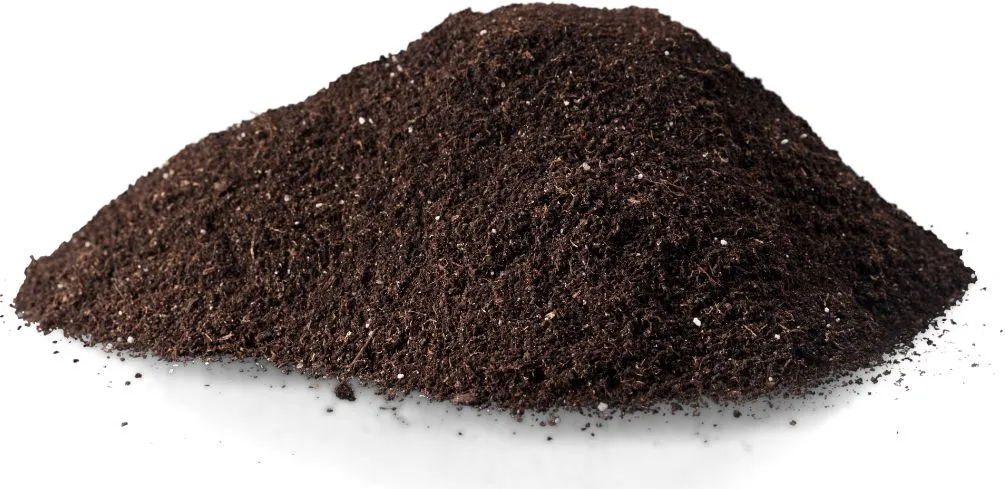
Soil texture refers to the proportions of sand, silt, and clay particles in a given sample of soil. This property is vital because it affects the porosity, water retention, and nutrient-holding capacity of the soil.
Soils with high clay content tend to retain more nutrients and water than sandy soils but may have poor drainage. On the other hand, sandy soils have excellent drainage but cannot hold onto nutrients effectively.
Soil structure is another critical physical property that influences its overall quality. It refers to how different particles in the soil come together to form aggregates or clumps. A well-structured soil has a good balance between pore space and solid particles, which allows for good air and water movement while also providing support for plant roots.
Conversely, poorly structured soils can lead to compaction, reduced infiltration rates, low oxygen levels for roots, and decreased plant growth.
Overall, understanding both soil texture and structure is essential when managing land resources since it helps optimize crop yield while minimizing environmental impacts such as erosion or runoff.
Chemical Properties Of Soil
The chemical properties of soil play a significant role in determining its overall quality and suitability for various uses.
One of the most important chemical properties is soil acidity levels, which can have a profound impact on both plant growth and nutrient availability. Soil acidity or pH is measured on a scale from 0 to 14, with values below 7 indicating acidic soil, values above 7 indicating alkaline soil, and values at 7 being neutral.
Different crops and plants require different pH ranges for optimal growth, making it crucial to test the soil’s acidity level before planting.
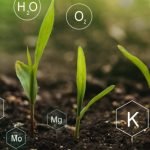
Apart from pH levels, nutrient availability in soil is another crucial chemical property that determines its fertility. Nutrients such as nitrogen, phosphorus, potassium, calcium, magnesium, sulfur, and micronutrients are essential for plant growth and development.
However, their availability in the soil depends on various factors such as pH levels, organic matter content, and microbial activity. In general, acidic soils tend to have lower nutrient availability compared to neutral or alkaline soils.
Therefore farmers must take necessary steps to maintain optimal pH levels in their soils by applying lime or other amendments as needed. Ensuring successful crop production and improving the overall quality of soil over time requires an understanding of the chemical properties of soil, like its acidity levels and nutrient availability.
By taking these factors into account when preparing land for cultivation or gardening purposes will help increase the chances of producing healthy crops while improving the health of the soil itself over time.
Biological Properties Of Soil
The chemical properties of soil are an essential aspect of understanding the quality and suitability of soil for various purposes. However, it is not just chemicals that define soil; biological factors play a crucial role too.
Soil organisms include bacteria, fungi, protozoa, nematodes, earthworms, and insects. These microorganisms are responsible for breaking down organic matter and releasing nutrients that plants need to grow.
Earthworms help to aerate the soil by creating channels that allow air and water to penetrate deep into the ground. Insects like ants and termites create tunnels that improve soil structure and drainage.
The presence or absence of these organisms determines the health and fertility of the soil. Therefore, understanding the biological properties of soil is crucial in managing soil resources sustainably.
Soil fertility is essential for agriculture as it determines crop yields and quality. Soil organisms play a critical role in maintaining this fertility by decomposing organic matter into nutrients that plants can use.
A healthy population of these organisms can significantly enhance soil productivity, reducing the need for chemical fertilizers while promoting sustainable agriculture practices.
Furthermore, studying these biological properties can help us understand how different management practices affect them and how we can develop strategies to optimize their contribution to soil health.
In summary, biological properties are as important as chemical properties in determining the health and fertility of soils. Soil organisms play a vital role in maintaining this fertility by decomposing organic matter into nutrients that plants can use effectively.
Studying these properties helps us understand how we can manage our soils sustainably while ensuring optimal productivity levels without harming our environment’s long-term health.
Practical Applications Of Soil Classification Systems
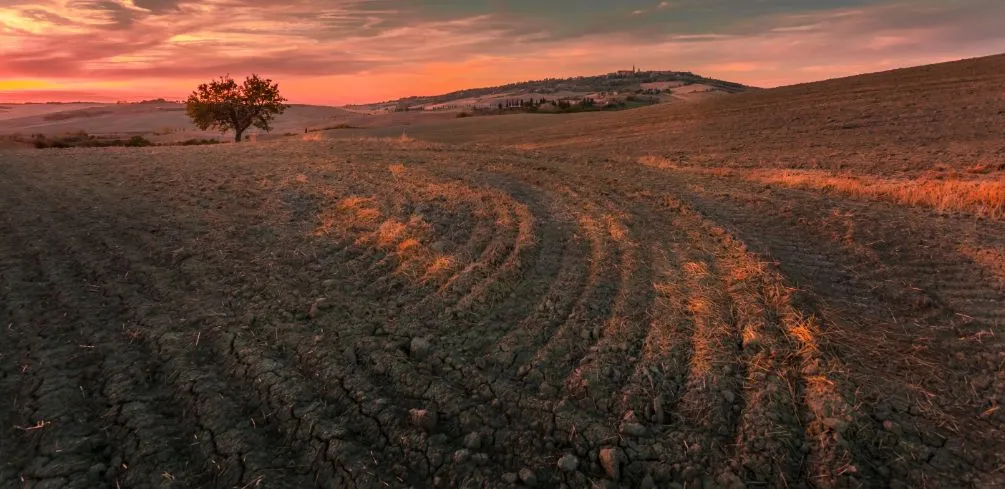
The practical applications of soil classification systems are vast and varied. One major use of these systems is in agricultural management, where soil classification helps farmers determine the best crops to grow and the appropriate fertilizers to use. By understanding the characteristics of different soil types, farmers can optimize their production and increase yields.
Additionally, soil classification helps identify areas that may be prone to erosion or nutrient depletion, allowing for proactive measures to be taken to prevent these issues.
Soil classification systems are also essential in construction projects. Understanding the composition of the soil at a building site is critical in determining the type of foundation needed for a structure. Buildings constructed on unstable soils are at risk of sinking or shifting over time, leading to costly repairs or even structural failure.
Soil classification also helps engineers assess how much weight a specific area can support, which is critical when building bridges, highways, and other large infrastructure projects.
By utilizing soil classification systems in both agriculture and construction industries, professionals can make informed decisions based on data-driven analysis rather than guesswork. This not only leads to better outcomes but also ensures sustainability by preventing environmental damage caused by improper land use practices.
As such, it is clear that soil classification plays an integral role in many aspects of our daily lives and will continue to do so for years to come.
Frequently Asked Questions
How Does Soil Classification Impact Climate Change?
The classification of soil has a significant impact on climate change through its role in carbon sequestration and land use planning. Soil is a major reservoir for carbon, which can be stored in the form of organic matter. The ability of soil to store carbon depends on its type, structure, and management practices.
Therefore, understanding the classification of soil is crucial for managing and mitigating the effects of climate change. Land use planning also plays a critical role in reducing greenhouse gas emissions by determining how land is used and managed.
For example, sustainable agriculture practices that promote healthy soils can increase carbon sequestration and reduce emissions from fertilizer use. Overall, an effective soil classification system is essential for developing strategies to combat climate change and achieve sustainable development goals.
What Is The History Of Soil Classification Systems?
The history of soil classification systems is an intriguing evolutionary timeline spanning over centuries. It has been shaped by the contributions of influential soil scientists who have provided us with a structured framework to understand the diverse nature of soils across the globe.
The emergence of these classification systems can be traced back to ancient civilizations like China, Greece, and Rome, which recognized the importance of soil for agriculture. As our understanding of soils evolved, so did the methods used for classification.
Today, we have numerous soil classification systems that are widely accepted and employed in various fields such as agriculture, geology, and engineering. Understanding the historical evolution of these systems provides insights into how we perceive and manage our natural resources.
How Do Different Cultures And Regions Approach Soil Classification?
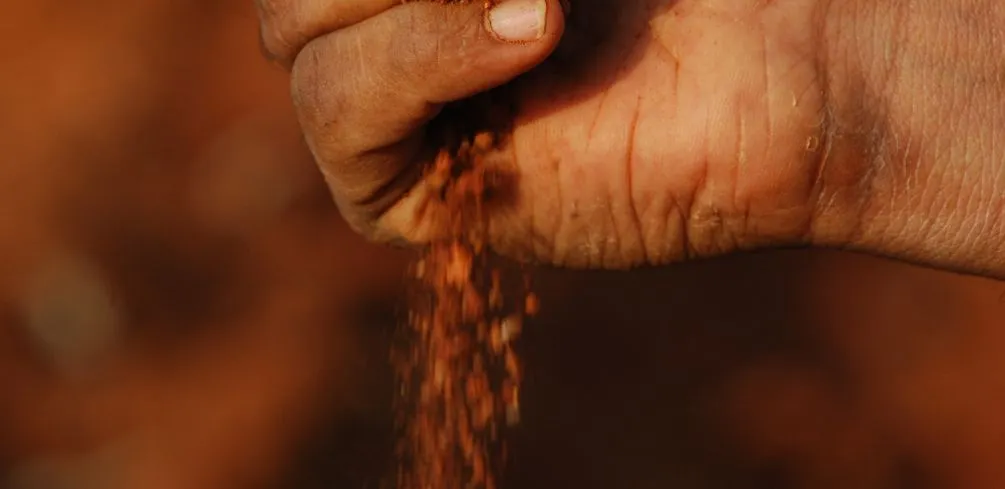
The traditional methods of soil classification differ across cultures and regions, with each community having its unique approach. For instance, some classify soils based on their color, texture, or even smell.
Modern adaptations have seen the incorporation of scientific techniques such as chemical analysis to classify soils based on their composition. The variations in these methods reflect the diverse perspectives that people have towards soil and the environment at large.
Understanding how different cultures approach soil classification provides insights into their relationship with nature and how they utilize natural resources. This knowledge is critical for promoting the sustainable use of land and the conservation of natural resources.
Is There A Standard Global Soil Classification System In Use?
The international adoption of a standardized soil classification system has been a topic of discussion for decades. While there have been efforts to create a global system, the limitations of the current systems and differences in soil properties across regions have made it challenging to develop a universally accepted framework.
Additionally, cultural and regional variations in soil classification practices have contributed to further complexities in the development of a standardized system. Despite these obstacles, there is still ongoing research and collaboration toward creating an effective global soil classification system that can provide consistency and accuracy in soil evaluation and management.
How Do Advances In Technology Affect Soil Classification Systems?
Advances in technology have revolutionized the way the soil is classified. Remote sensing has enabled us to gather data on soil properties without physically contacting the soil, allowing for a more efficient process of categorizing soils.
Additionally, machine learning applications have made it possible to analyze large amounts of data and identify patterns that were previously difficult to detect. These technological developments have greatly enhanced the accuracy and speed of soil classification systems, making them more reliable and effective.
With these advancements, we are better equipped to understand and manage our soils, ensuring their sustainability for future generations.
Conclusion
Soil classification systems have a significant impact on climate change. The classification of soil allows for the identification and understanding of various soil properties, which in turn can inform agricultural practices and land management decisions.
Soil classification systems have been developed over centuries by different cultures and regions, with each system reflecting unique approaches to soil characterization.
Despite the diversity of soil classification systems, there is no standard global system currently in use. Advances in technology have led to increased precision and accuracy in soil analysis, which has enabled the development of more sophisticated classification systems.
However, as our understanding of soils continues to evolve, it is important to consider how these classifications may need to be updated or revised over time.
Just as the earth beneath our feet is constantly changing, so too must our methods for studying and categorizing it adapt and evolve over time.