The interplay between soil, water, and air is a crucial aspect of the Earth’s ecosystems that sustains life. The intricate relationships among these three elements form the foundation for healthy and productive environments.
Soil quality determines the amount of water and air that can be stored, while the availability of water affects the nutrient content of soil and its ability to support vegetation. In turn, vegetation plays a vital role in regulating temperature and humidity levels, which directly influence atmospheric conditions.
Understanding the dynamics between soil, water, and air is essential for developing sustainable land management practices that ensure long-term ecological health. Researchers across different disciplines have explored various aspects of this interplay to gain insights into how these elements interact with each other.
This article aims to provide an overview of these studies by examining how soil properties affect water retention capacity, how changes in precipitation patterns impact soil moisture levels, and how vegetation influences air quality through photosynthesis and transpiration processes.
By delving into these topics, we can gain a deeper understanding of the delicate balance between soil, water, and air that underpins our environment’s health.
The Role Of Soil In Water And Air Quality
Soil plays a vital role in maintaining the quality of water and air.
Soil structure, composition, and texture govern the movement and storage of water within the soil. The porosity and permeability of soil regulate the infiltration of water into the ground.
Soil acts as a filter that removes impurities from the water before it reaches underground aquifers, streams, and lakes.
However, soil pollutants can severely affect the quality of both water and air. Pesticides, herbicides, fertilizers, heavy metals, and other chemicals can seep into groundwater or be carried by runoff into surface waters.
These pollutants can contaminate drinking water sources and pose health hazards to humans and wildlife. Soil erosion can also contribute to air pollution by releasing fine particles into the atmosphere that cause respiratory problems.
Therefore, understanding how soil affects water and air quality is crucial for protecting human health and ecosystems.
Water Retention And Soil Properties
As water is a critical component of soil, it plays an essential role in the growth and survival of plants. However, not all soils can retain water equally. The ability of soil to retain water depends mainly on its structure and properties.
Soil structure refers to the arrangement of soil particles into aggregates. The structure influences the size of pores between these aggregates, which affects how much water the soil can hold.
Soil properties like texture, organic matter content, and nutrient availability also influence water retention capacity. For instance, soils with high clay content have small pores that can hold more water than sandy soils with large pores. Similarly, soils rich in organic matter have better water-holding capacity as they can absorb and retain moisture for a longer time.
Therefore, farmers and gardeners should focus on maintaining optimal soil structure and properties to ensure adequate water retention capacity for healthy plant growth.
Here are some ways to improve soil structure and properties:
- Add organic matter such as compost or manure to increase nutrient availability.
- Avoid over-tilling or compacting the soil to maintain proper pore space.
- Use cover crops to reduce erosion and improve soil health.
- Manage irrigation wisely by providing enough but not excessive amounts of water.
By improving soil structure and properties through these practices, we can enhance the ability of soils to retain moisture for healthy plant growth while reducing environmental degradation caused by excessive watering or nutrient loss from runoff.
Impacts Of Precipitation Patterns On Soil Moisture
Water retention and soil properties are crucial aspects of soil health. Soil texture, structure, and organic matter content affect how well the soil can retain water, which is essential for plant growth and overall ecosystem health.
However, changes in climate patterns due to climate change can have a significant impact on soil moisture levels. Droughts or extreme rainfall events can alter the balance of the soil water system, leading to decreased agricultural productivity and increased erosion.
One way to mitigate the effects of climate change on soil moisture is through sustainable agricultural practices. Practices such as conservation tillage or cover cropping can improve soil structure and increase organic matter content, thus improving water retention capacity.
Additionally, implementing irrigation systems that use water efficiently can help prevent the over-extraction of groundwater resources while maintaining optimal soil moisture levels for crop growth.
Overall, it is important to consider the relationship between climate change and soil moisture when developing strategies for sustainable agriculture. By understanding these relationships and implementing appropriate measures, we can protect our soils from degradation while ensuring food security for future generations.
Vegetation’s Influence On Air Quality
Green infrastructure and urban forestry have been found to play a crucial role in improving air quality. Vegetation is known to capture pollutants such as nitrogen dioxide, sulfur dioxide, and particulate matter from the atmosphere.
Through photosynthesis, vegetation also produces oxygen which helps to mitigate the effects of harmful gases such as carbon monoxide. By reducing the concentration of pollutants in the air, green infrastructure has been shown to improve human health outcomes by decreasing the incidence of respiratory diseases.
Urban forestry involves cultivating trees in cities and towns to provide aesthetic, social, and environmental benefits. Trees planted along streets, in public parks, or in private gardens reduce heat island effects, absorb water runoff during storms, and trap air pollution.
Moreover, they provide shade which lowers urban temperatures and reduces energy consumption for cooling buildings. Through promoting green spaces such as urban forestry and other forms of vegetation cover, cities can reduce their carbon footprint while providing a more sustainable habitat for humans and other living organisms.
It is thus paramount that stakeholders work together towards creating more green infrastructure projects across urban areas globally to ensure healthier environments for future generations without compromising on economic development.
Sustainable Land Management Practices For Soil-Water-Air Interactions
The air we breathe, the water we drink, and the soil that supports our food crops are all interconnected. Vegetation plays a crucial role in maintaining the quality of these three elements.
Trees and plants absorb carbon dioxide and other pollutants from the air, release oxygen, and help regulate temperature by providing shade. However, sustainable land management practices go beyond just planting vegetation.
It involves understanding how nutrient cycling works within ecosystems, implementing cover cropping techniques that promote soil health, and reducing erosion to prevent sediment from entering waterways.
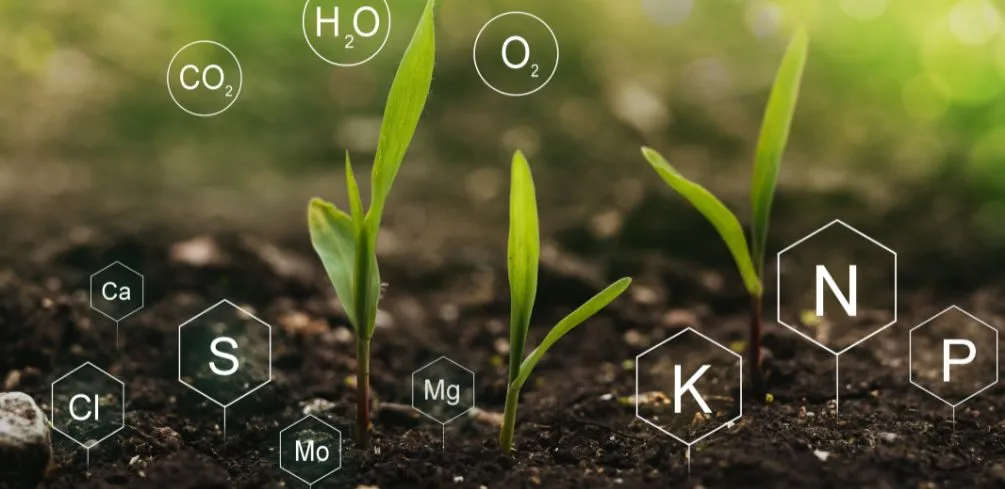
To effectively manage soil-water-air interactions, it is essential to understand how nutrients cycle through ecosystems. Nutrient cycling refers to the process of transforming organic matter into a form that can be used by plants for growth.
This process is critical because it ensures that essential nutrients such as nitrogen and phosphorus are available for plant uptake, which ultimately supports food production.
Cover cropping is another sustainable land management practice that helps maintain soil health by minimizing soil erosion, improving soil structure and fertility, and suppressing weeds. In addition to nutrient cycling and cover cropping practices, proper land management techniques such as reducing tillage intensity also play a crucial role in maintaining healthy soil-water-air interactions.
By implementing these practices on a large scale, we can ensure that our natural resources remain healthy for generations to come.
Frequently Asked Questions
How Does The Quality Of Water And Air Affect The Soil?
The quality of water and air can significantly impact the health and productivity of the soil. This is due to the Soil Water Interaction and Air Soil Quality Relationship.
Poor air quality can lead to acid rain, which can decrease soil pH levels, making it more difficult for plants to absorb necessary nutrients. Additionally, polluted air can deposit harmful chemicals onto the soil, further compromising its health.
Similarly, contaminated water sources can contain pollutants that negatively affect soil quality. These pollutants can alter soil chemistry or introduce toxins that harm plant growth, or create an unfavorable environment for beneficial microorganisms in the soil.
In conclusion, maintaining high-quality air and water is crucial for promoting healthy soil and ensuring agricultural sustainability.
What Are The Effects Of Soil Erosion On Water And Air Quality?
Soil erosion has a profound impact on the quality of water and air, as it results in the displacement of the topsoil that contains essential nutrients and organic matter. The process is exacerbated by the impact of deforestation, which removes trees that help to hold the soil together with their roots.
Agricultural runoff and contamination also contribute to soil erosion, as chemical fertilizers and pesticides can leach into streams and rivers, leading to increased sedimentation and reduced water quality. As a result, soil erosion can have far-reaching consequences for ecosystems, including decreased biodiversity, increased flood risk, and impaired water quality.
It is crucial to address these issues through sustainable land use practices that minimize soil disturbance and promote healthy soil ecosystems.
How Do Pollutants In The Air Or Water Impact The Health Of Soil Microorganisms?
The impact of pollutants in air or water on soil microbial diversity and pollutant biodegradation has been the subject of extensive research. Soil microorganisms play an essential role in maintaining soil fertility, and their health is directly linked to the quality of air and water.
Pollutants like heavy metals, pesticides, and petroleum hydrocarbons have been shown to reduce soil microbial diversity and negatively affect pollutant biodegradation. Moreover, the exposure of soil microorganisms to these pollutants can lead to genetic mutations that may reduce their ability to degrade pollutants over time.
Therefore, understanding the relationship between soil microbial diversity and pollutant biodegradation is crucial for developing effective strategies for environmental remediation.
Can Soil Conservation Practices Also Improve Water And Air Quality?
Cover crops and agroforestry are both examples of soil conservation practices that have been known to significantly improve the quality of water and air.
Cover crops help to reduce the amount of soil erosion, which can lead to less runoff and less sediment in nearby waterways. This, in turn, results in cleaner water for aquatic organisms and a healthier ecosystem overall.
Additionally, cover crops can also help to sequester carbon from the atmosphere, thus contributing to improved air quality.
On the other hand, agroforestry involves planting trees alongside crops, which can help to absorb excess nutrients from the soil before they have the chance to leach into nearby water sources. Furthermore, trees act as natural filters for pollutants in the air, helping to reduce their negative impact on human health.
Overall, implementing these types of soil conservation practices can not only benefit the health of microorganisms living within the soil but also have far-reaching effects on surrounding ecosystems and human populations alike.
What Are The Long-Term Consequences Of Poor Soil Management On Water And Air Quality?
The long-term consequences of poor soil management can have a significant impact on water and air quality. Environmental policy has increasingly focused on sustainable agriculture practices to reduce the negative effects of soil degradation on the environment.
Soil erosion, loss of organic matter, and nutrient depletion are common results of poor soil management, leading to decreased water quality due to increased sedimentation and nutrient runoff. Additionally, soil degradation can contribute to air pollution through increased dust production and greenhouse gas emissions from the use of fertilizers and other agricultural chemicals.
Therefore, it is imperative that sustainable agriculture practices are implemented to improve soil health and promote healthy ecosystems for the benefit of both human health and environmental wellbeing.
Conclusion
The interdependent relationship between soil, water, and air quality is crucial to the overall health of our planet. Soil acts as a filter for water and air, which means that any pollutants that enter the soil can have devastating effects on the quality of both resources.
Soil erosion causes sediment runoff into waterways, reducing water quality and disrupting aquatic ecosystems. Poor air quality also affects soil health by harming microorganisms that are essential to nutrient cycling and plant growth.
Conservation practices such as crop rotation, cover cropping, reduced tillage, and composting can improve soil health while simultaneously reducing pollution in water and air. As stewards of the land, we must recognize that our actions have long-term consequences on the environment.
The metaphorical ripple effect of poor soil management spreads beyond just the land itself – it impacts everything from human health to global climate change. By prioritizing sustainable agriculture practices and protecting our natural resources, we can ensure a healthy future for generations to come.